CAM002
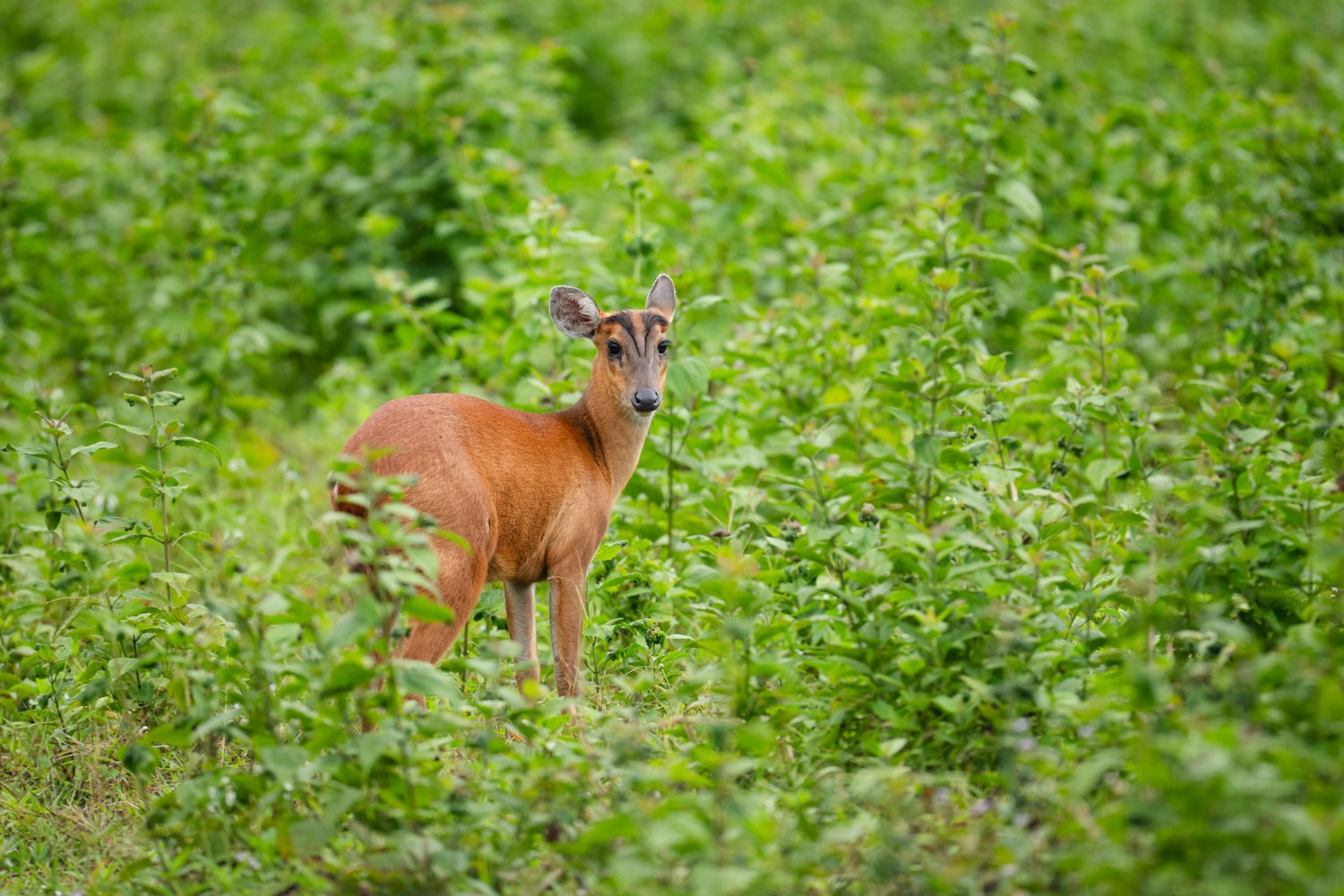
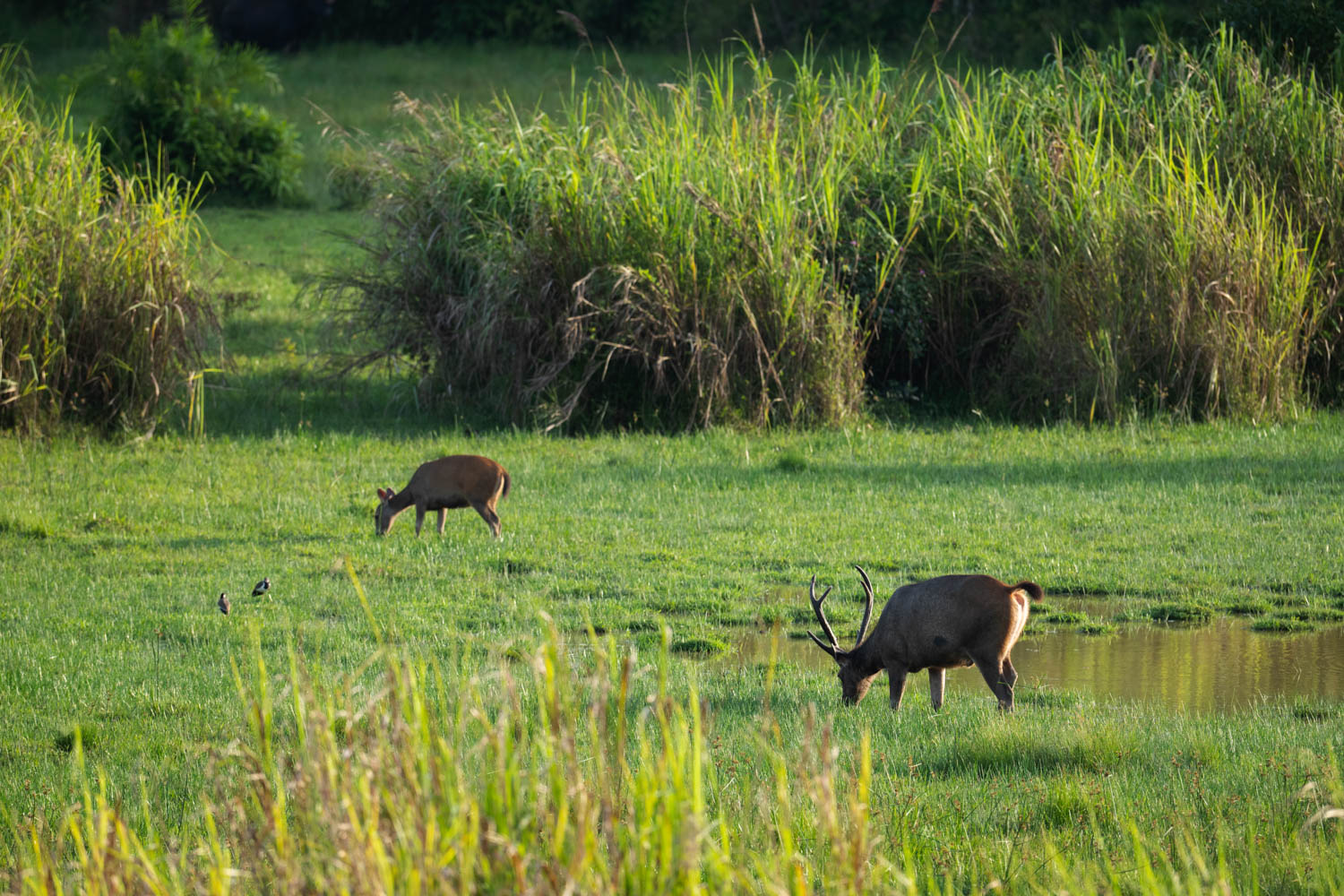
Data from CAM002 confirms that the window between 7 PM and 3 AM is the most active period for the park’s hoofed residents.

Step into the heart of Vietnam’s wilderness. This live camera, set deep within the protected zones of Cat Tien National Park, offers a raw, unfiltered glimpse into life in the jungle - 24 hours a day.
To protect wildlife and preserve these sensitive habitats, the exact location of the camera remains undisclosed. But through this lens, you can witness rare birds and mammals moving freely, revealing moments that are rarely seen by human eyes.
This is more than just a live feed. It’s part of a growing vision. In the near future, we will integrate Katien AI Sentinel - a real-time monitoring system powered by high-precision cameras, a dedicated AI server, with custom-built algorithms. Designed to support both conservation and research, the system will identify wildlife as it appears, helping track biodiversity while ensuring viewers never miss a moment. As you watch, animals will be automatically detected and labeled, contributing to an ongoing analysis of this unique ecological corridor.
From ranger patrols and field researchers to the occasional appearance of elusive species, what you’re seeing is Cat Tien as it truly is - wild, protected, and alive. Each moment captured plays a role in a larger mission:
A White-throated Kingfisher appears briefly in the morning, landing in an open grassland with what looks like a worm or small prey already held in its bill. Its vivid blue wings, chestnut body, and bright white throat stand out clearly against the landscape.
Unlike many kingfishers that stay close to water, this species is highly adaptable and often hunts across a variety of habitats, including open fields. In this case, it likely caught its prey elsewhere and chose this spot to handle and eat it. The entire moment is swift and efficient - within seconds, the bird finishes its meal and takes off again, disappearing just as quickly as it arrived.
Moments like this are easy to miss, but they reveal just how efficient and adaptable White-throated Kingfisher is. In places like Cat Tien National Park, even a brief landing can offer a small but vivid glimpse into wildlife in the grassland.
Read more about Kingfisher (Alcedinidae) - the colorful hunter of the jungle here.
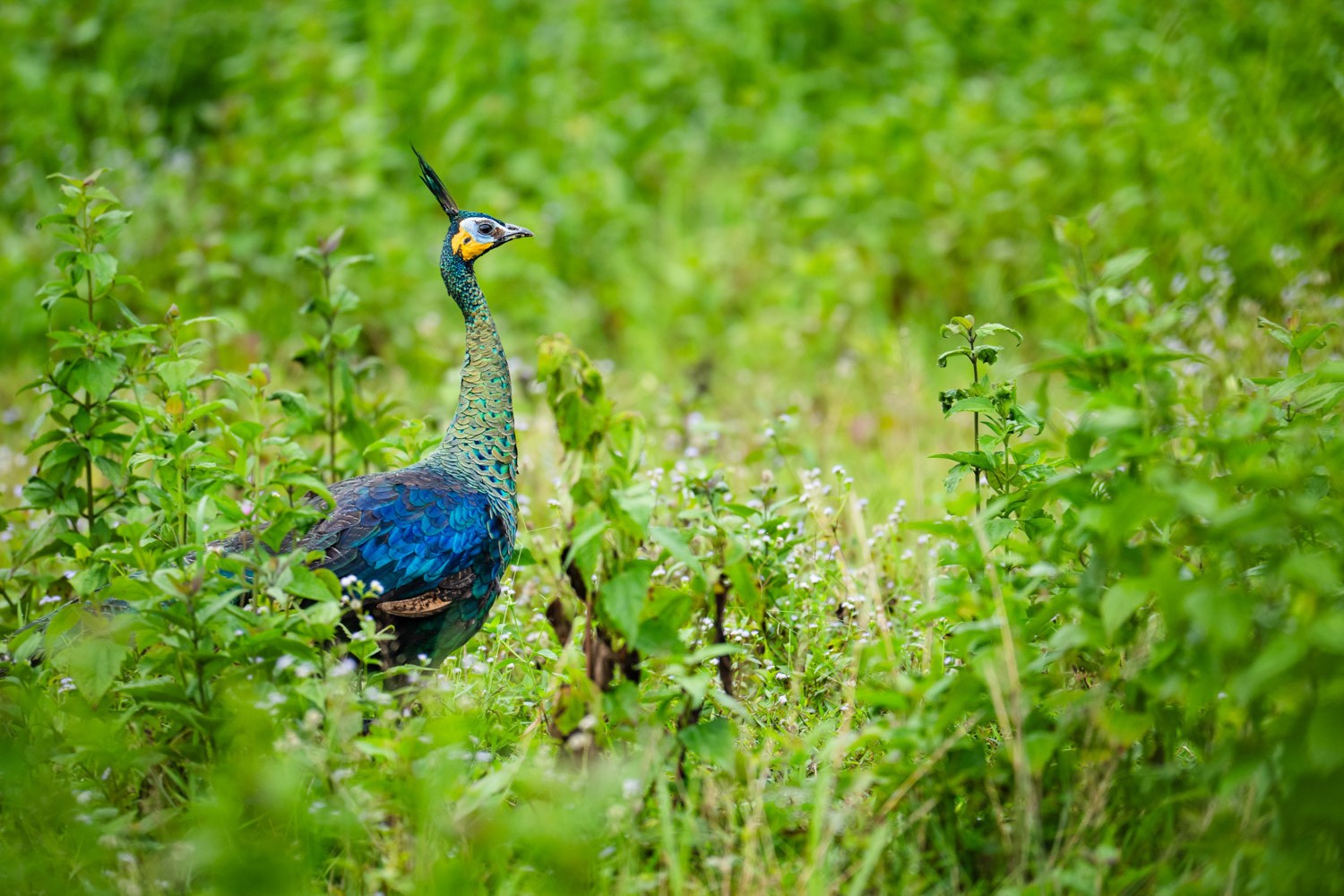
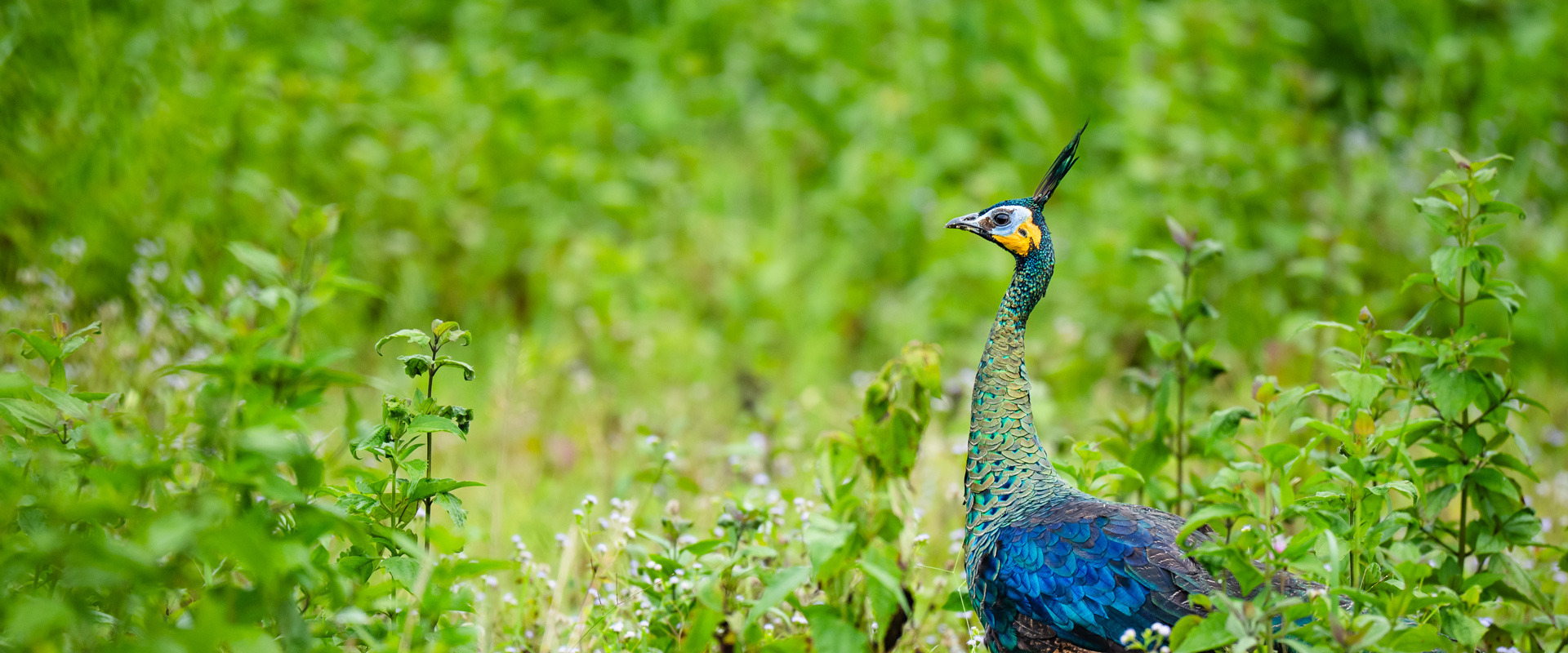
The most prominent activity in the video features a group of Green Peafowl. Their upright crests and shimmering green-gold, scale-like neck feathers are clearly visible. Unlike the more familiar Blue Peafowl, both males and females of this species share this distinctive green plumage. Classified as Endangered, Cat Tien remains one of the last important strongholds for this species in Vietnam.
Species identification: At least five individuals are visible within the frame.
Behavioural observations:
Besides green peafowl, other bird species were also recorded:
This footage highlights a key aspect of dry season ecology. As natural water sources within the forest diminish, permanent or semi-permanent waterholes become essential gathering points for wildlife.
During the monitoring period, CAM001 captured a notable gathering of Barking deer. The footage shows a relatively high level of site use by a small group, offering insight into local activity patterns and nighttime foraging behaviour.
Behavioural observations: