CAM001
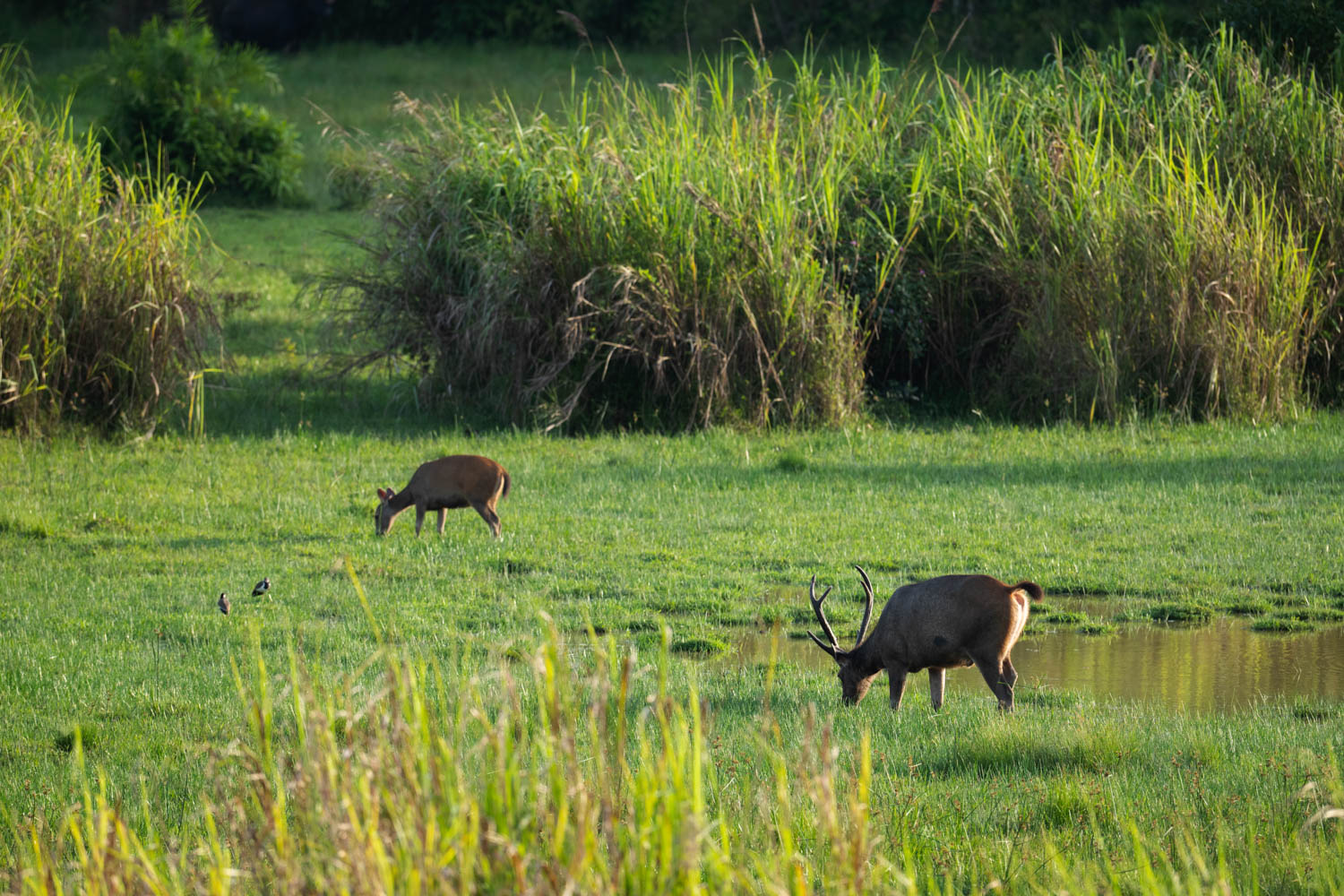
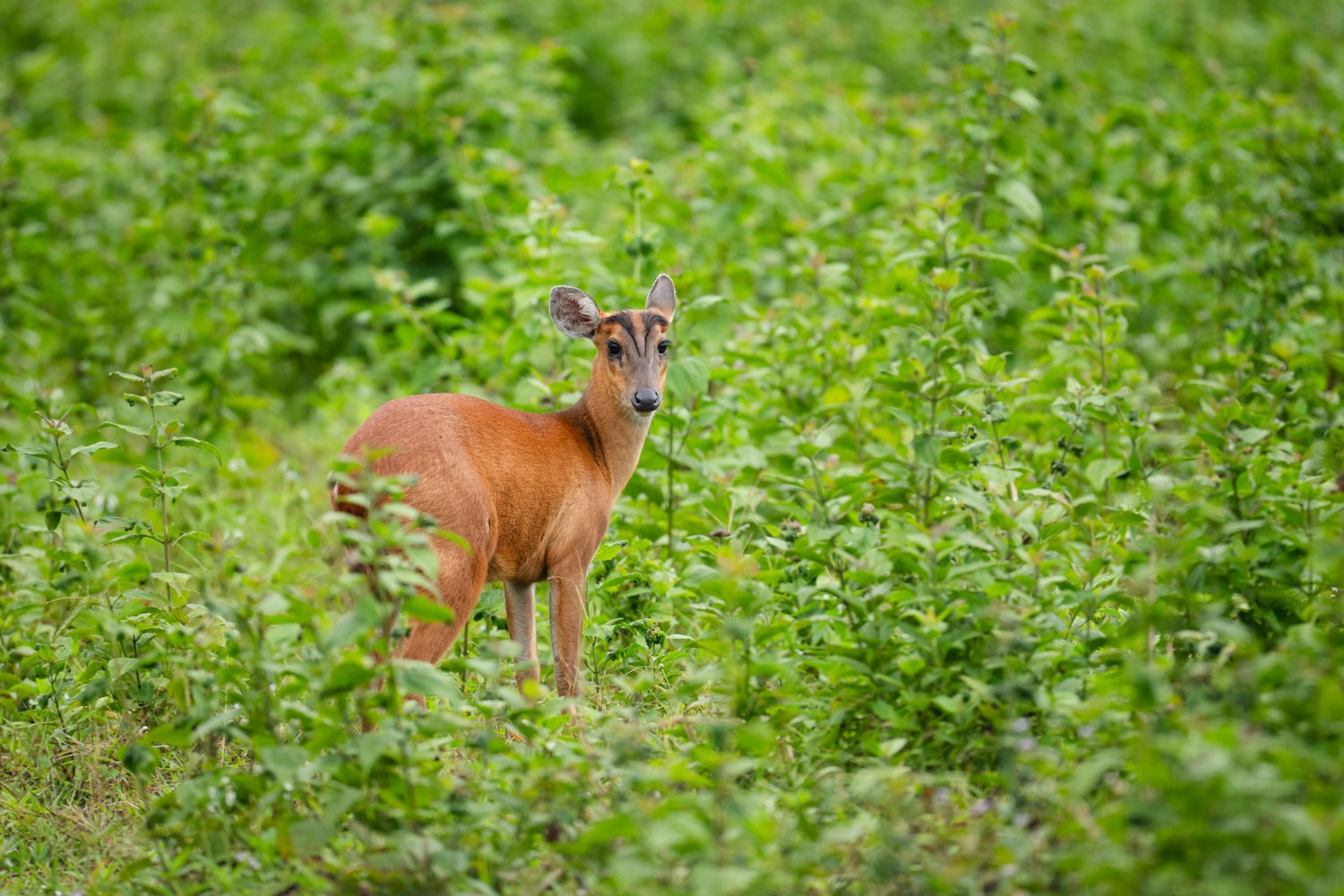
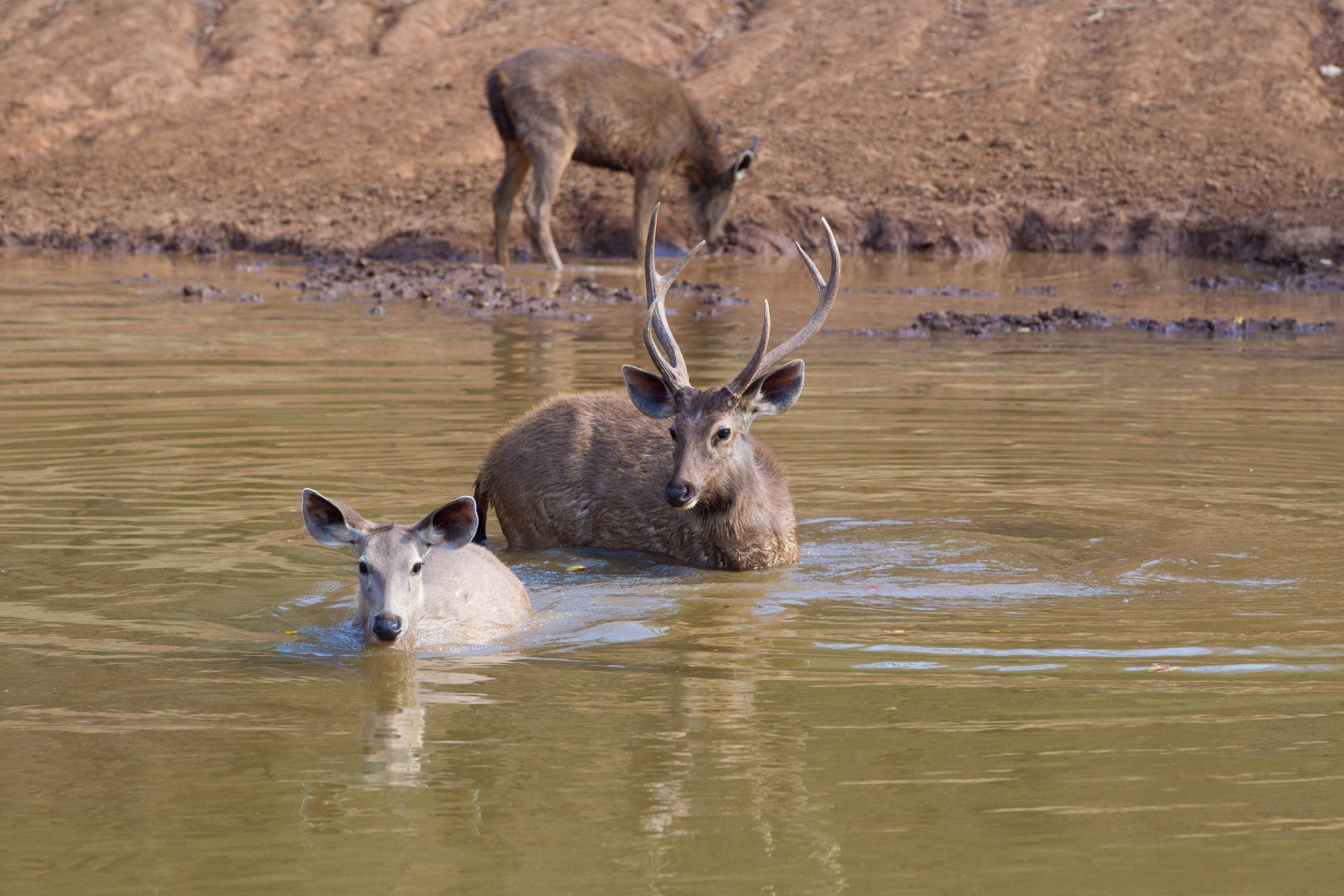
During the monitoring period, CAM001 recorded a significant gathering of barking deer

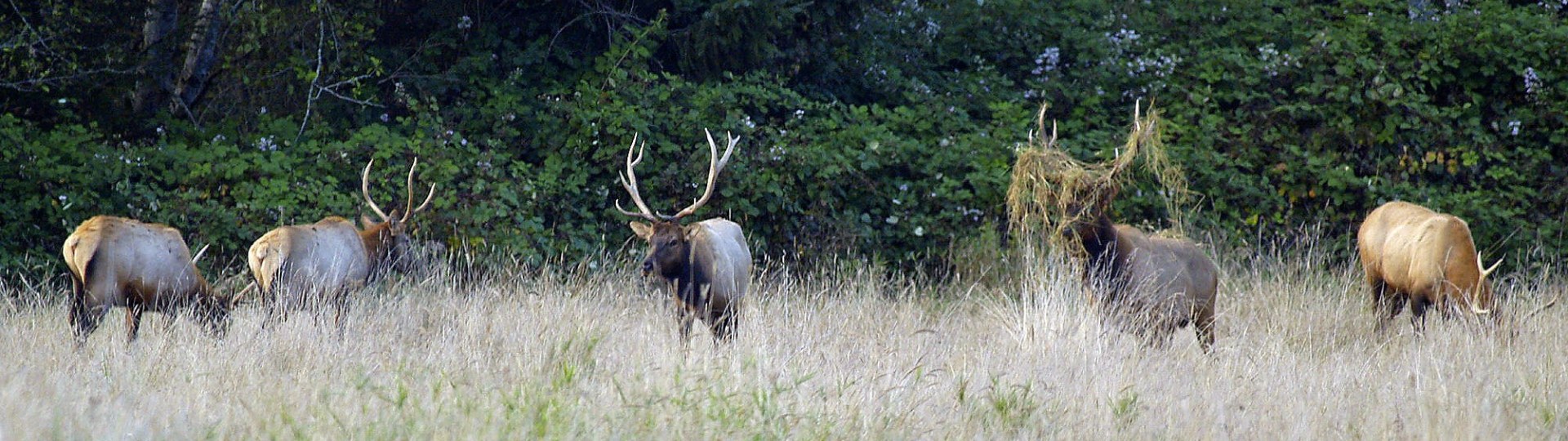
CAM004 is positioned within the expansive grassland buffers of Cat Tien National Park - an important transition zone for rehabilitated herbivores. These open landscapes provide space for animals to graze freely while gradually readapting to natural conditions, including herd behavior and environmental cues.
From this vantage point, the camera captures how wildlife moves, interacts, and settles back into the rhythms of the wild - offering valuable insight into the recovery process.
Integrated with Katien AI Sentinel, CAM004 delivers continuous thermal and motion-based data, helping researchers monitor activity patterns around the clock. This allows for a deeper understanding of how rehabilitated animals use open habitats, while supporting ongoing conservation and rewilding efforts.
A group of Gaur is observed grazing in an open area at night - an uncommon sight, as these large and typically elusive animals are not often captured on camera. In Cat Tien National Park, there are estimated to be around 120 individuals, with the Park supporting one of the largest gaur herds in the region.
As the world’s largest wild cattle species, gaur are powerful herbivores, recognized by their muscular build, dark brown coats, and distinctive white “stockings” on their lower legs. Despite their size, they are generally quiet and cautious, often preferring dense forest cover during the day and becoming more active during the cooler hours of early morning, late afternoon, and night.
In this footage, the herd remains grouped, with individuals occasionally lifting their heads to scan their surroundings before returning to feed. This balance between feeding and vigilance is typical, especially in more open areas where visibility is higher.
Gaur live in small herds, usually made up of females and young, led by an experienced individual. Larger males may join these groups or move more independently during the peak of the breeding season. Even in low-light conditions, their size and presence are unmistakable, and their calm, deliberate movements reflect a strong sense of awareness.
Their appearance in a more open grassland at night may indicate a shift in activity patterns, possibly taking advantage of cooler temperatures and reduced disturbance. Moments like this offer a rare glimpse into the behaviour of a species that is usually difficult to observe in the wild.
The open grassland offers an ideal setting to observe the ecological role of wild boar as natural “ecosystem engineers.”
This location captures the typical grazing behaviour of Sambar deer, the largest deer species in the park, during the cooler hours of the night.