CAM001
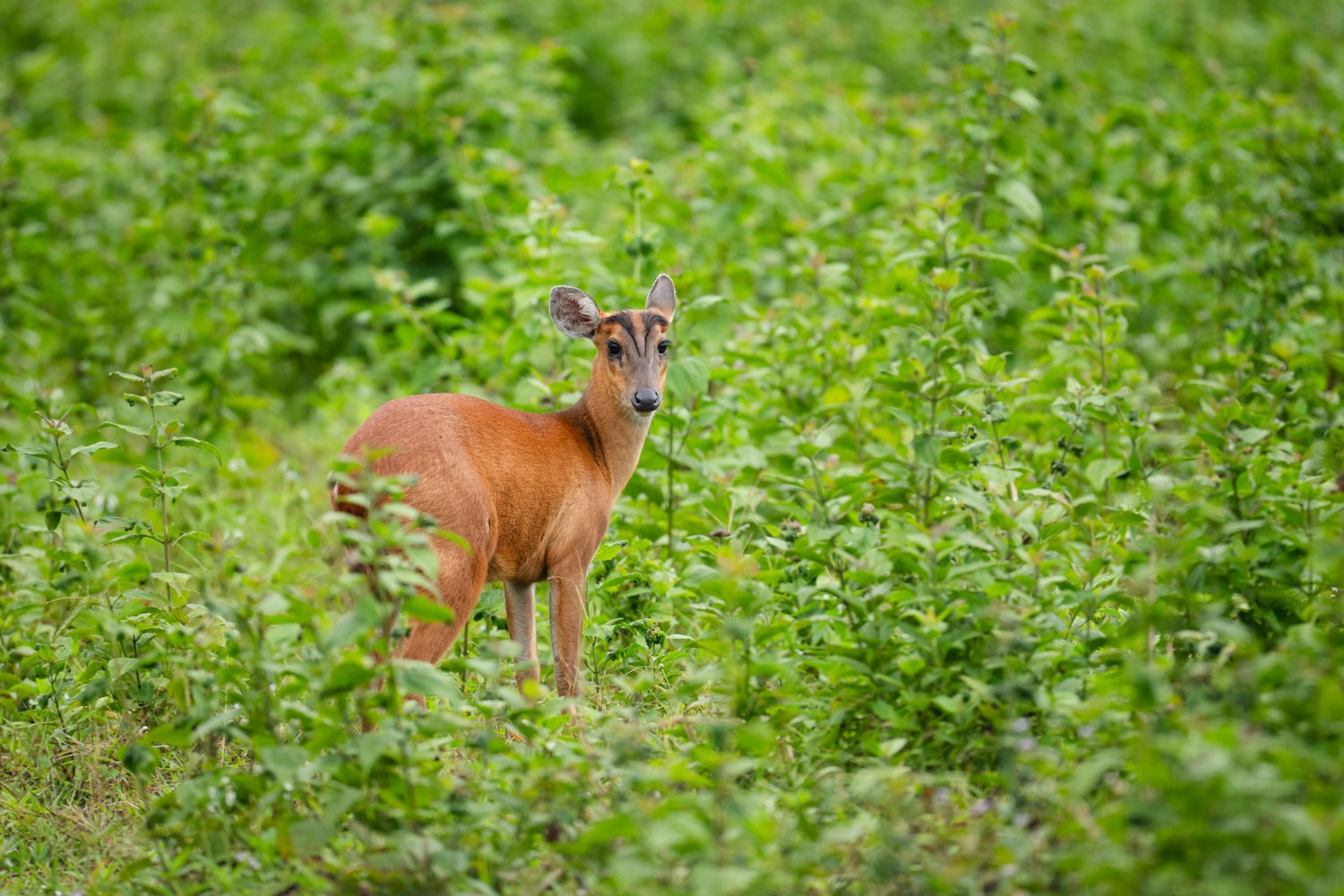
During the monitoring period, CAM001 recorded a significant gathering of barking deer

Experience nature in real time from Cat Tien National Park - one of Vietnam’s richest biodiversity hotspots. This live camera captures a unique landscape where grassland meets the forest edge and an open lake, creating a thriving hub for wildlife activity.
This area is where multiple habitats overlap. These transition zones are especially important because they provide:
Because of these features, wild animals are drawn here throughout the day, and even more so after dark.
This feed is part of a larger conservation initiative powered by Katien AI Sentinel - a smart monitoring system using high-precision cameras, a dedicated AI server, and custom-built algorithms. In real time, it helps to:
Every moment captured supports real conservation work:
By watching, you’re not just observing - you’re contributing to the protection of one of Vietnam’s most remarkable natural landscapes.
CAM006 | Date: March 14 2026 | Timestamp: 02:10:10 – 02:11:05 (GMT+7)
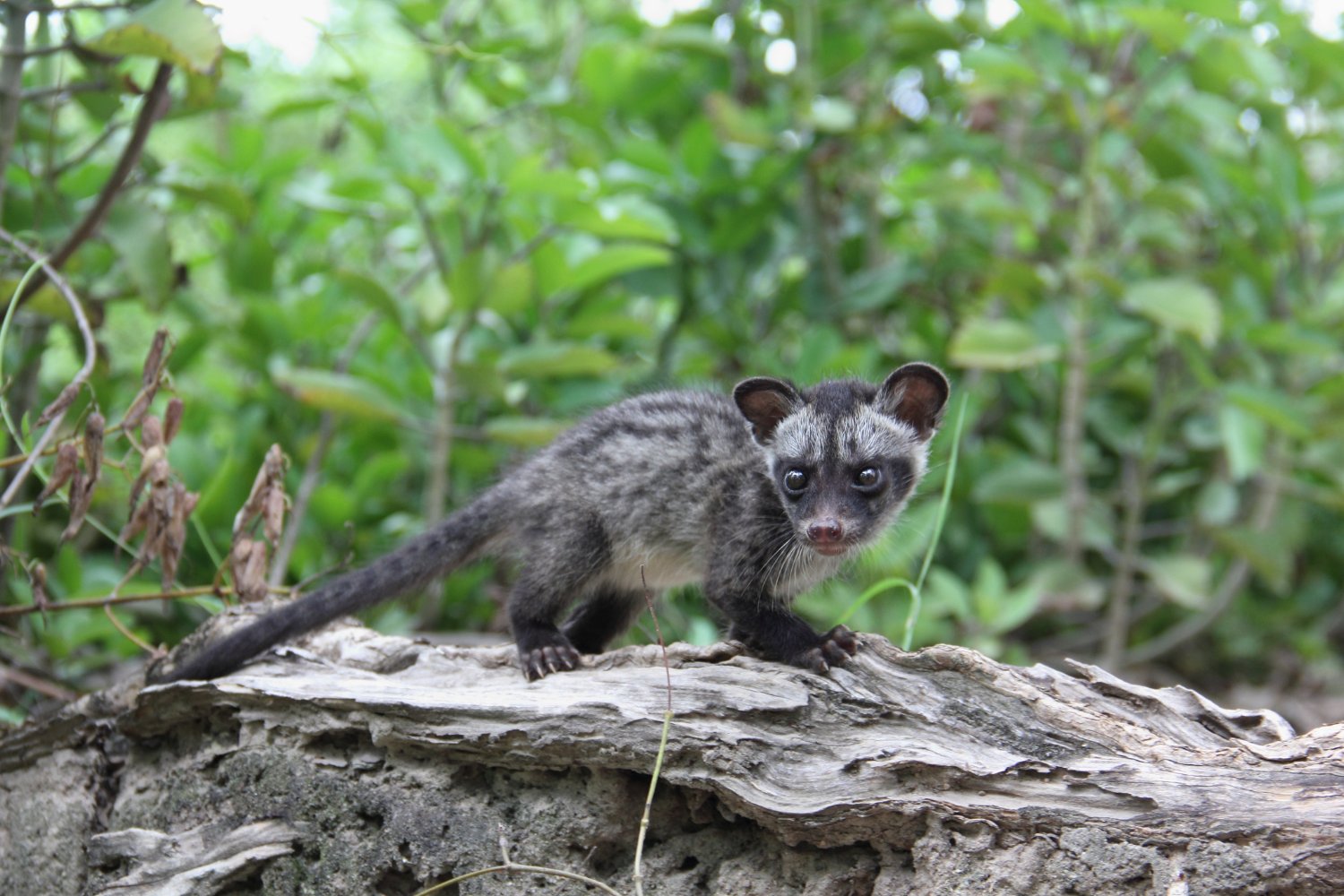
During this timestamp, a Small-toothed Palm Civet was observed foraging in proximity to a group of Sambar Deer. This small carnivore takes advantage of low-light conditions to hunt or feed on ripe fruits, moving with fluid, near-silent motion through dense undergrowth.
Its brief and elusive appearance suggests opportunistic use of the area rather than prolonged feeding, highlighting its role as a highly mobile nocturnal forager and predator.
CAM006 | Date: March 13 2026 | Timestamp: 16:54:29 – 16:55:22 (GMT+7)
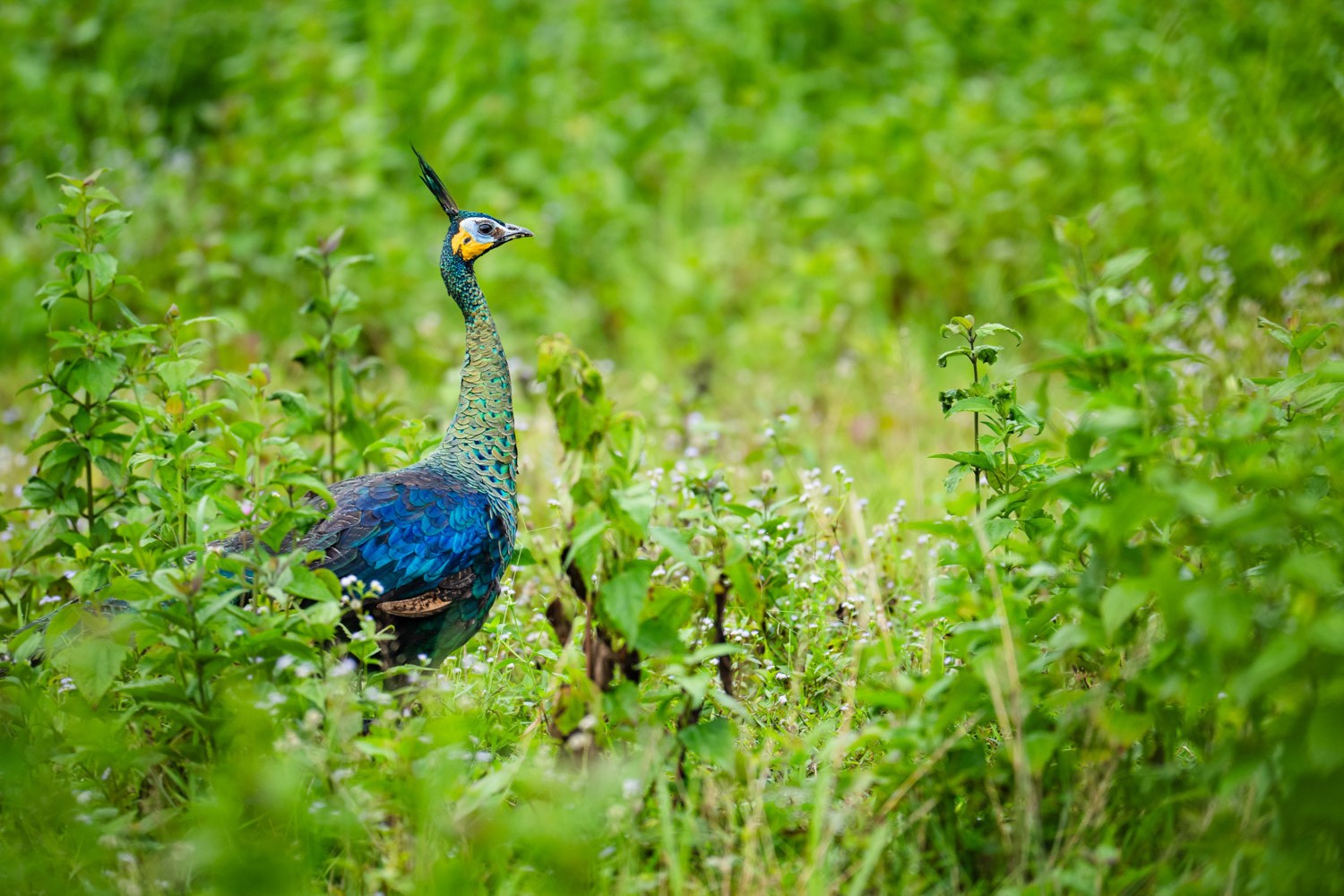
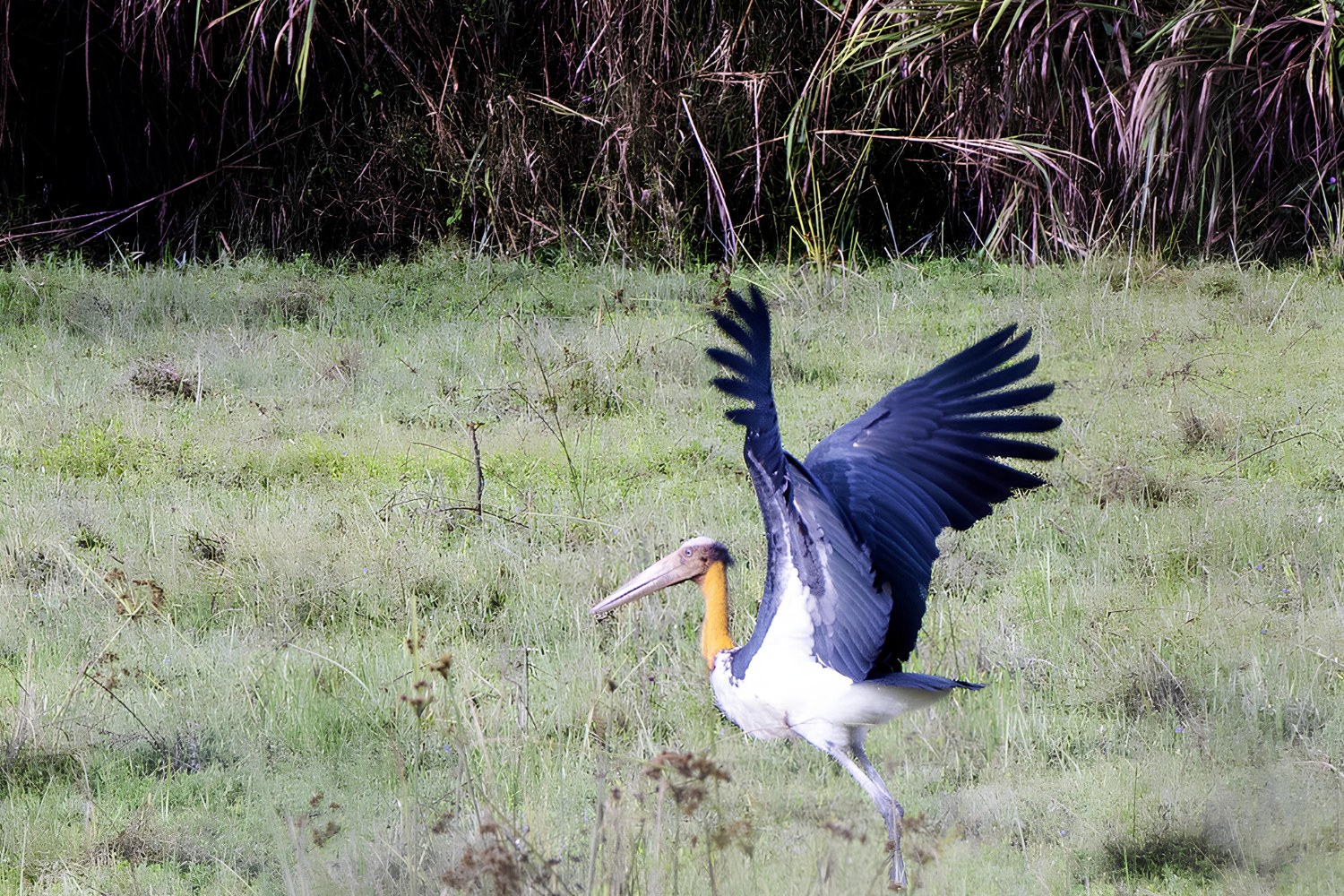
Multiple species can be observed sharing the same space where the forest edge, open lake, and grassland converge. As temperatures ease in the late afternoon, animals such as Sambar Deer, Green Peafowl, and Storks gradually move into this area to forage and access water.
This overlap highlights the ecological importance of such transition zones, where diverse resources attract a wide range of species, particularly during cooler periods of the day.
CAM006 | Date: March 12 2026 | Timestamp: 20:31:59 – 20:32:50 (GMT+7)
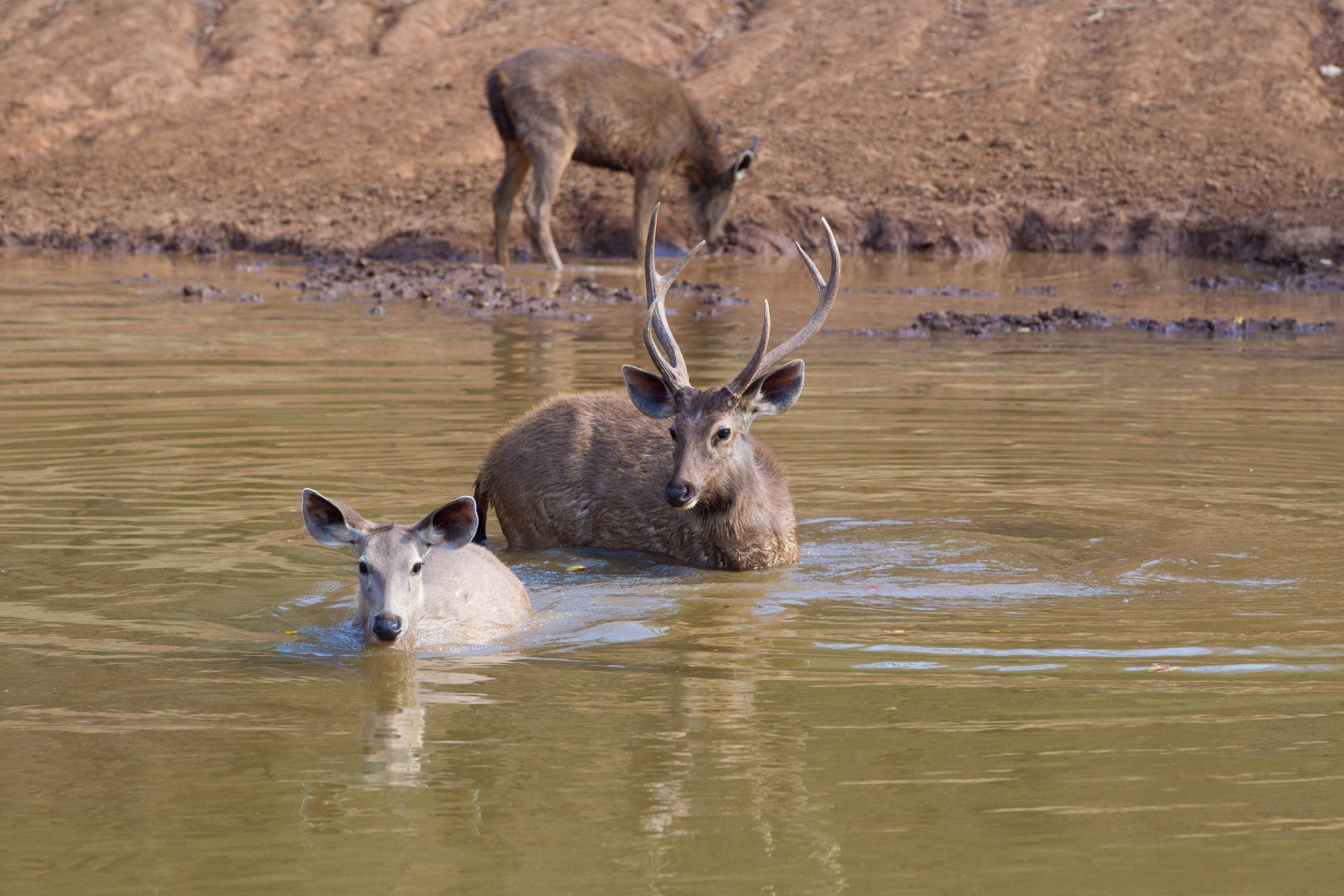
During this monitoring period, CAM006 recorded a significant gathering of sambar deer at night. The footage indicates frequent use of this site by a social group, offering valuable insight into herd size and nocturnal feeding behavior.
Species identification: At least five individual deer were observed within the camera’s field of view.
Environmental context: The presence of a group of this size at this time suggests the area serves as a preferred nighttime feeding site, likely supported by minimal human disturbance and abundant, high-quality forage.
Behavioral analysis:
CAM006 | Date: March 04 2026 | Timestamp: 15:58:21 – 15:59:15 (GMT+7)
A flock of storks is spotted gathering around the open lake. This is typical behavior during the dry season (November - April) in Cat Tien National Park. As water sources become scarce during this period, wading birds like storks are often found stalking small fish or amphibians in these shallow pools, especially in the late afternoon when the temperatures begin to drop.
CAM006 | Date: January 08 2026 | Timestamp: 05:30 to 08:30 (GMT+7)
The Yellow-cheeked Gibbon is currently classified as Endangered on the IUCN Red List, with assessments in recent years confirming its continued decline. Populations have decreased by more than 50% over the past 45 years. Native to Vietnam, Laos, and Cambodia, the species faces significant threats from habitat loss due to deforestation, along with ongoing pressures from hunting and the illegal wildlife trade.
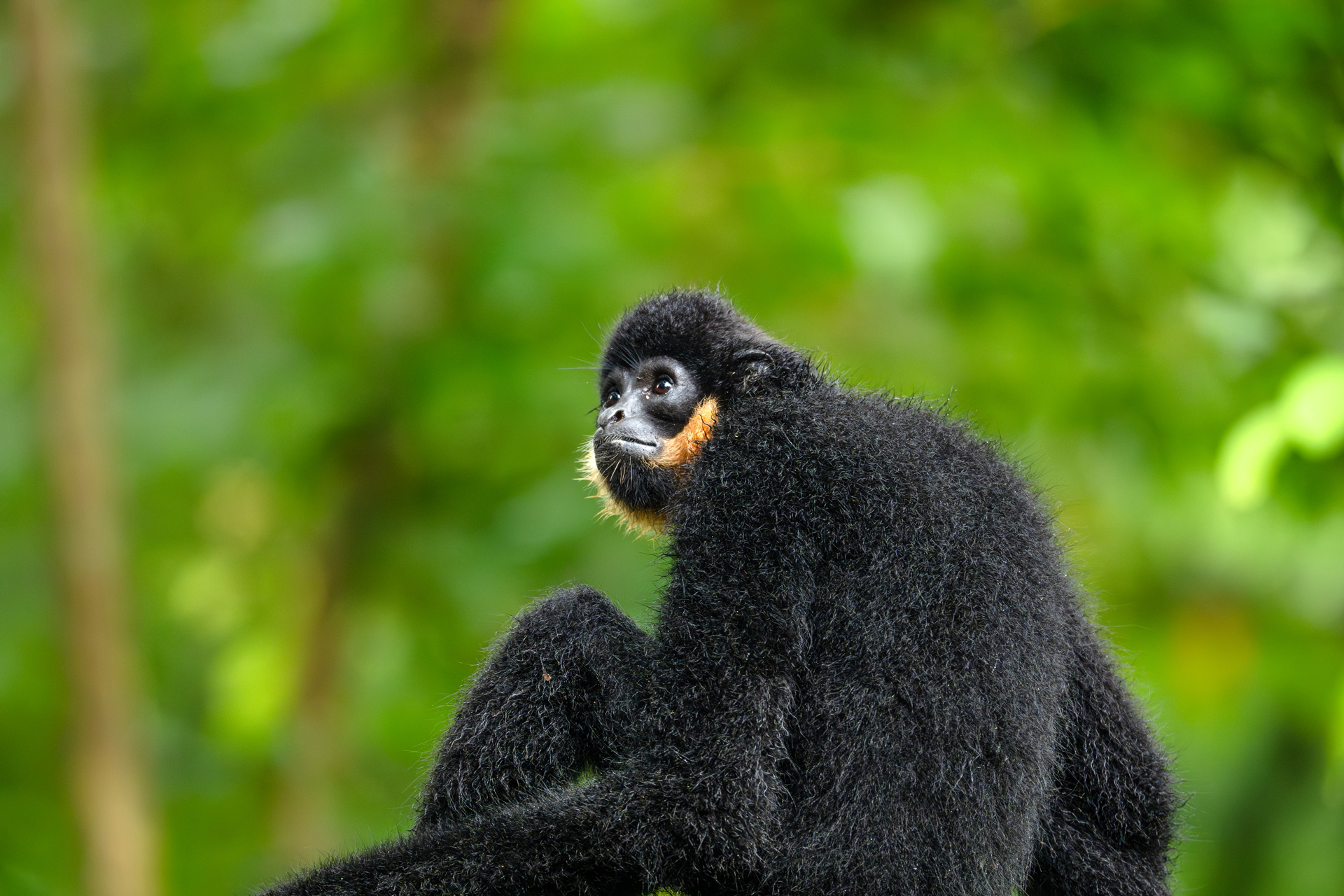
In this timestamp, a family of Yellow-cheeked Gibbons is captured. They are easily identified by their distinct appearances, with adult males covered in black fur and bright yellow cheek patches, while females are pale yellow to golden, especially when lit by sunlight in the canopy. This contrast makes them recognizable even from a distance or when moving quickly through the trees.
They are most active in the early morning, when males begin loud, far-reaching calls that are answered by softer, coordinated vocalizations from females. These duets can last several minutes and play an important role in maintaining pair bonds and signaling the presence of a family group across the forest.
Living almost entirely in the treetops, gibbons move with remarkable agility, swinging hand over hand beneath branches in smooth, controlled motions. Young individuals often follow more cautiously, pausing at wider gaps as they develop confidence. Males are typically seen leading movement and scanning the surroundings, while females forage more frequently and stay close to their young - together reflecting a highly adapted, social life in the canopy.
These observations confirm the area as an important activity hub, supporting diverse species across both day and night. The findings highlight its value as a key feeding ground and the effectiveness of our ongoing wildlife monitoring and conservation efforts.