CAM001
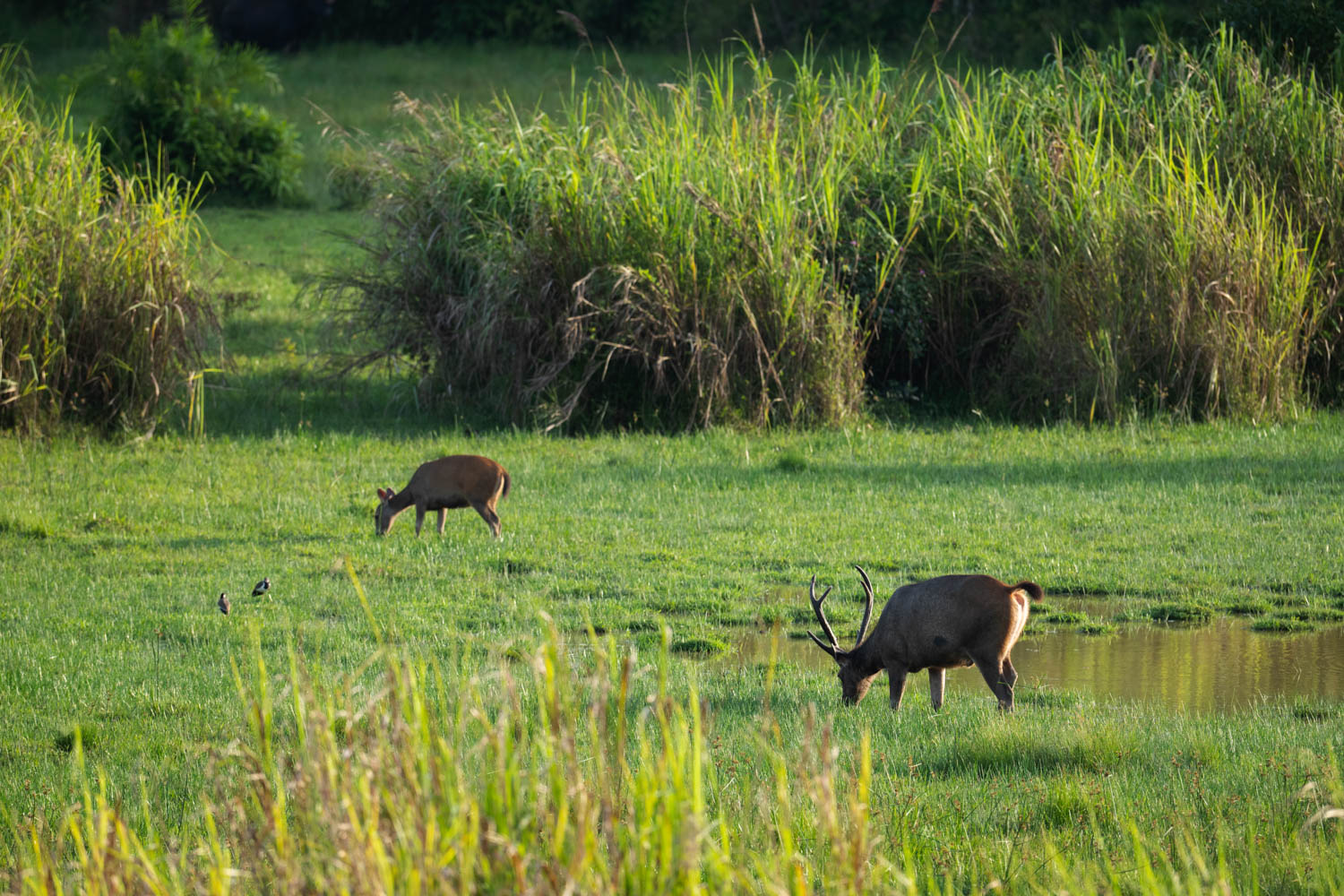
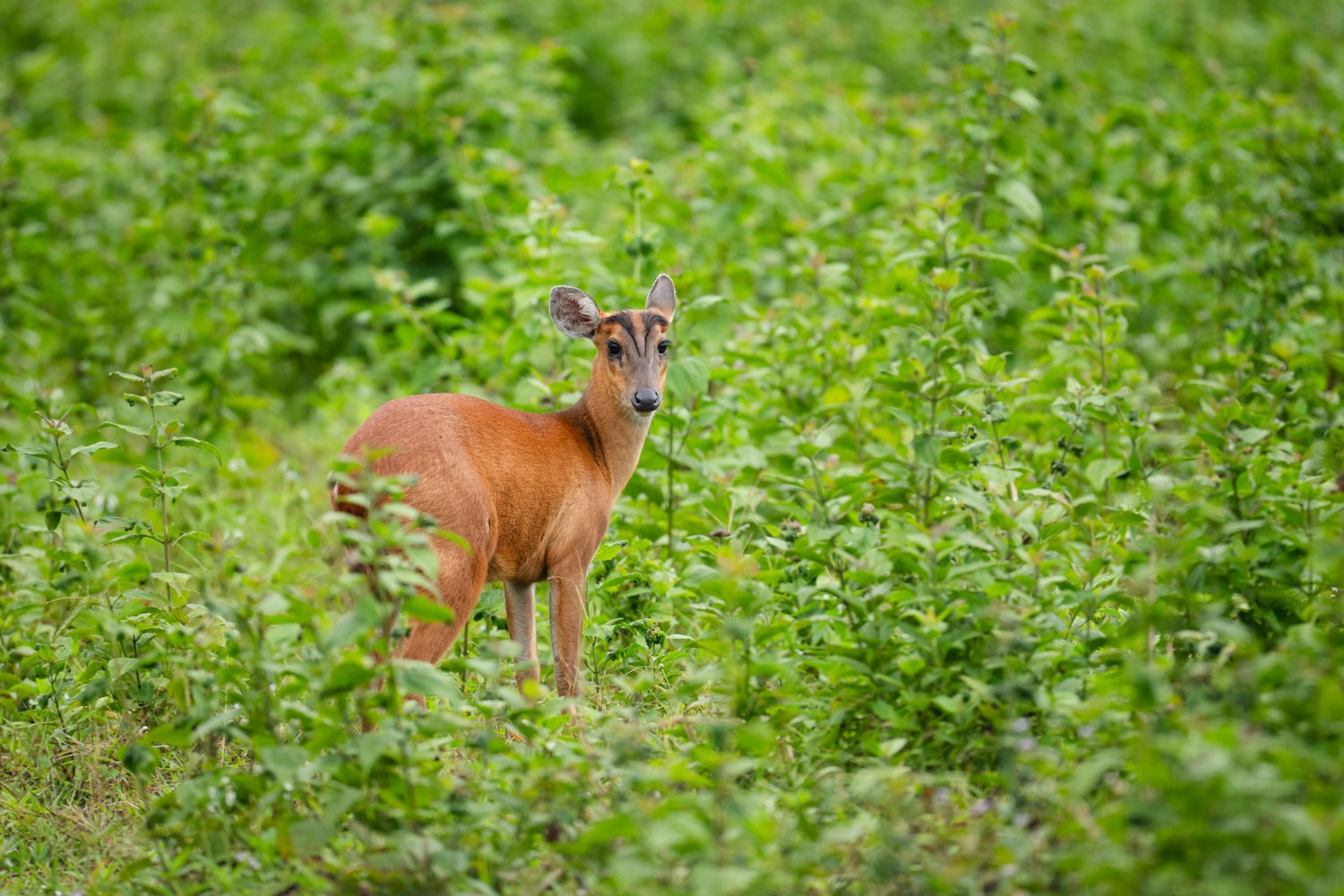
During the monitoring period, CAM001 recorded a significant gathering of barking deer

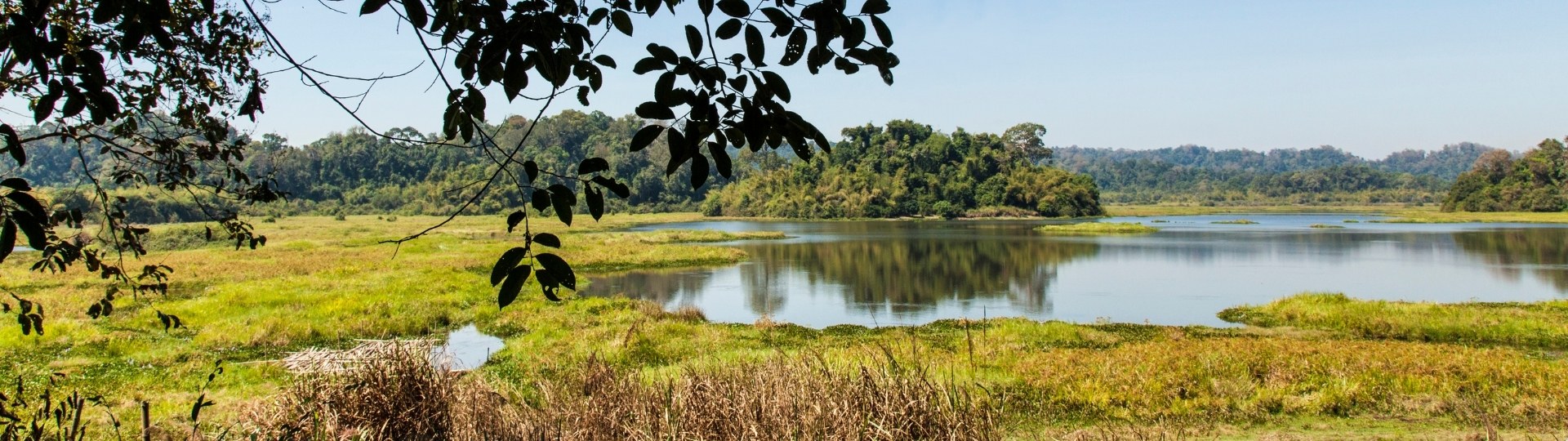
At the edge of the forest in Cat Tien National Park, where dense evergreen trees gradually give way to open grassland, this live cam captures a dynamic meeting point of habitats - often called an “ecotone.” These transitional zones are rich in wildlife activity, as wild animals from both forest and grassland ecosystems come here to feed, rest, and move between cover and open space.
What makes this area special?
This is a classic transition zone, where two ecosystems meet and overlap. Such areas naturally concentrate wildlife because they offer:
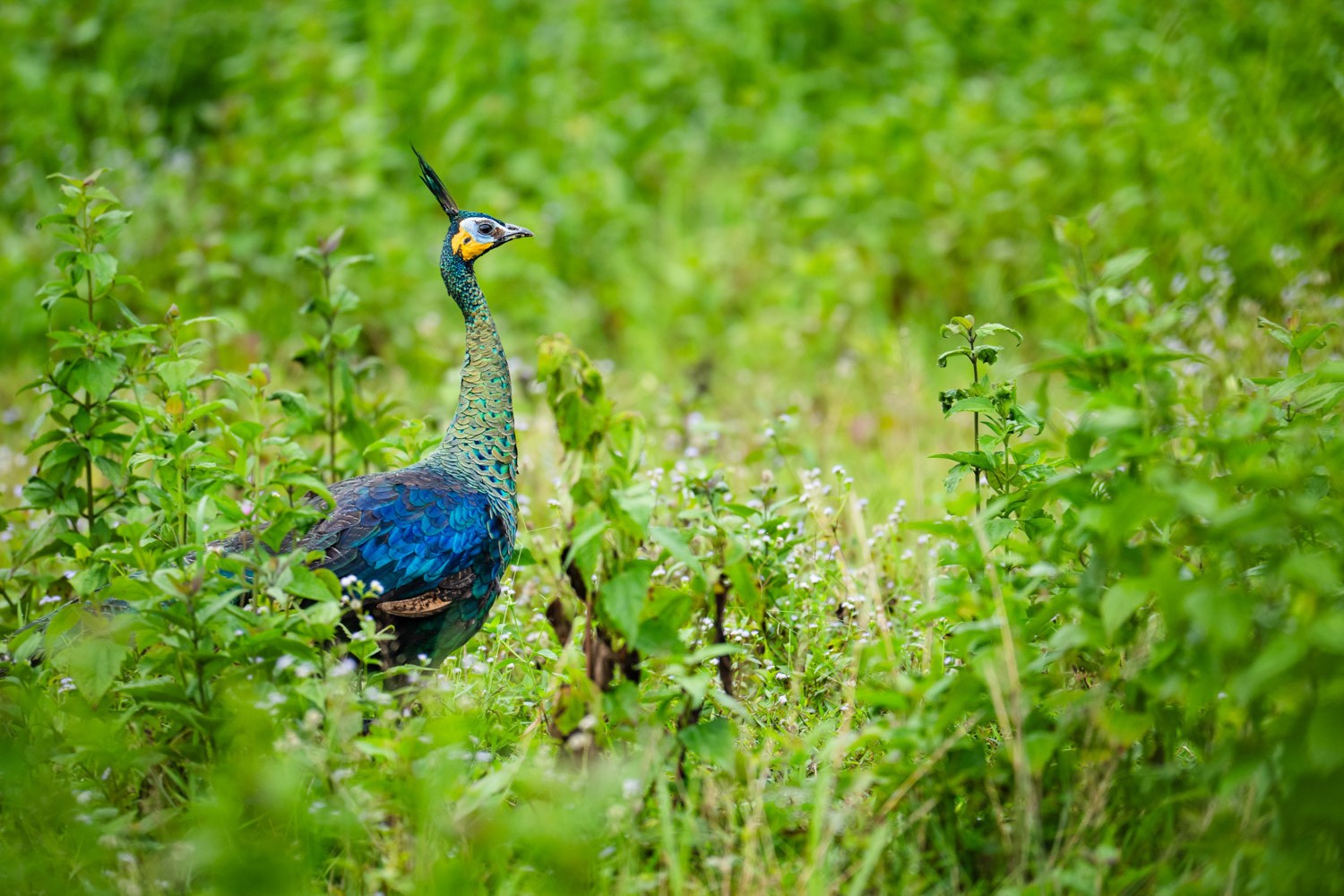
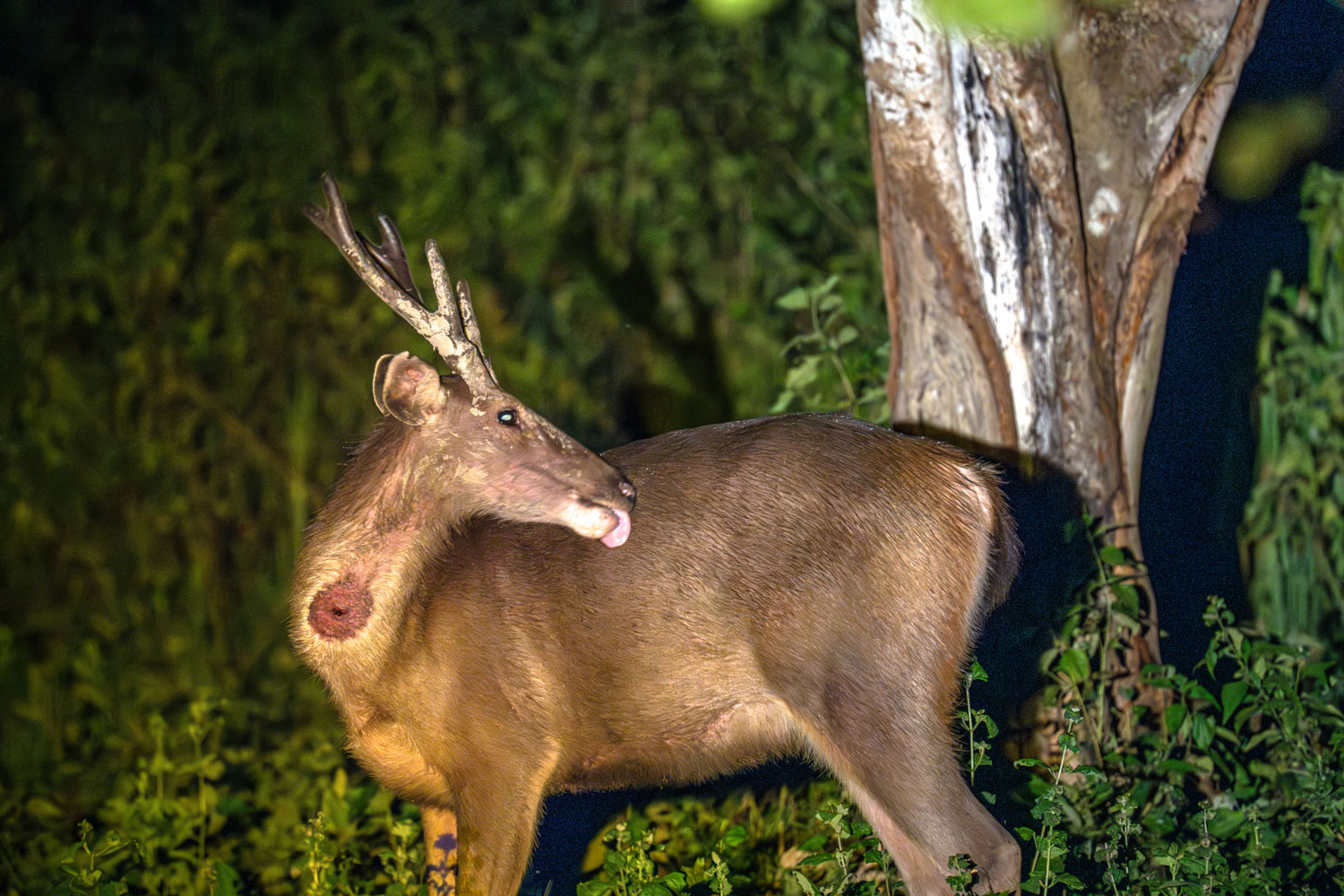
As a result, species like sambar deer, peafowl, and red junglefowl are regularly seen here, each using the landscape in their own way - some grazing in the open, others staying close to the undergrowth.
This livestream is part of a broader conservation effort powered by Katien AI Sentinel, an intelligent monitoring system combining high-resolution cameras, a dedicated AI server, and custom-built detection models. The data gathered here plays a crucial role in shaping and strengthening ongoing conservation efforts.
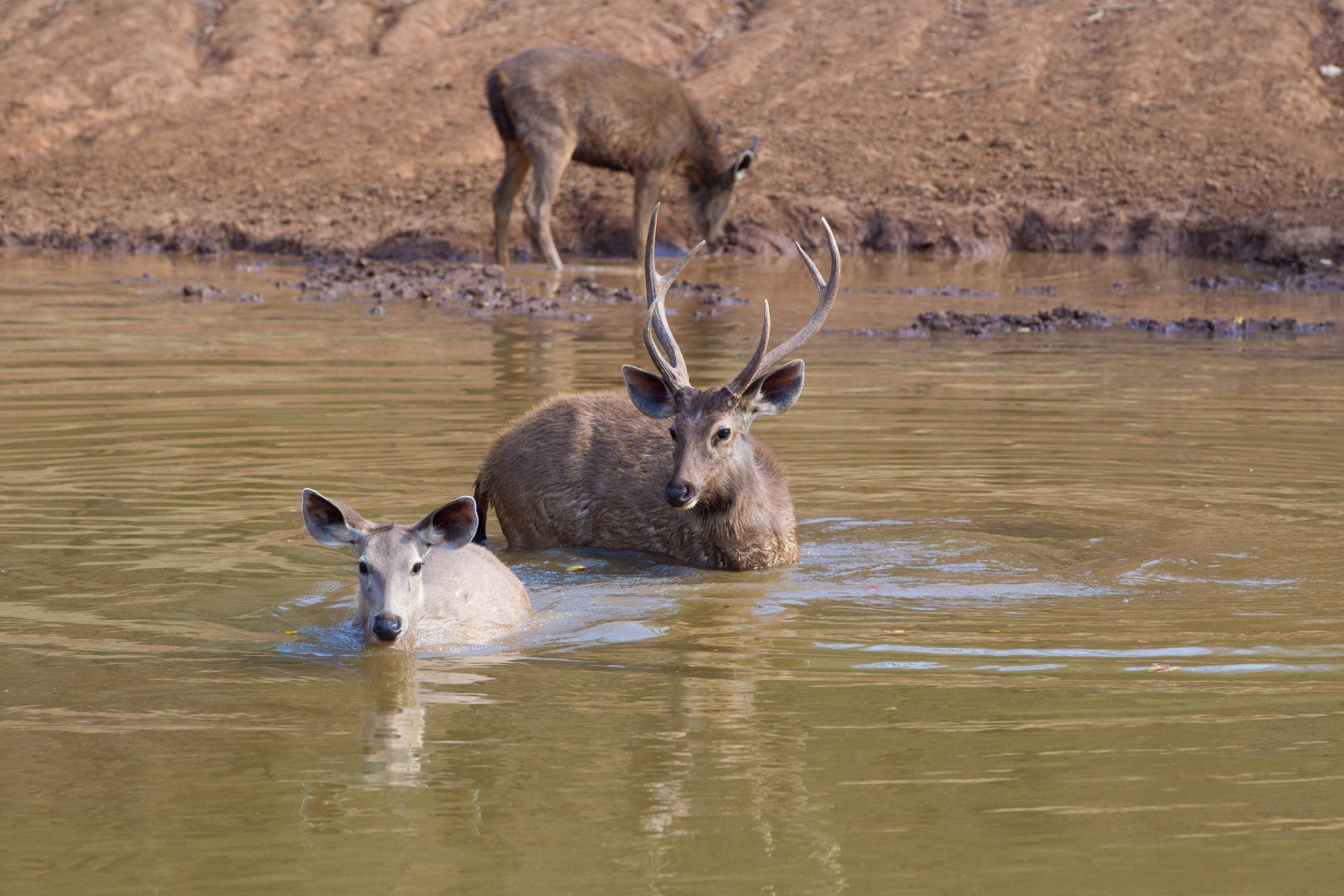
In this timestamp, six Sambar deer are spotted out in the grassland grazing while remaining alert - heads lifting between bites and ears scanning for movement.
Even away from the tree line, they are still using the forest - grassland transition to their advantage, feeding in the open where visibility is higher while staying cautious in this exposed space.
In the late afternoon at Cat Tien National Park, the forest edge comes alive with quiet activity. As the heat of the day fades, Sambar deer emerge, slowly grazing on grasses while staying close to the safety of the forest.
Nearby, red junglefowl move through the undergrowth and open patches. Their quick, alert movements contrast with the steady, unhurried pace of the deer.
This brief moment captures a natural rhythm of the landscape, when animals take advantage of the cooler hours to feed, navigating between forest shelter and open ground in Cat Tien National Park.
As a strictly diurnal species, these Great Hornbills shift into a clear resting state during the night.
This station monitors daytime activity and flight recovery of the Great Hornbill, a key species of the tropical forest canopy.