Cat Tien National Park is a vast and vibrant natural landscape in southern Vietnam, known for its rich biodiversity, large forest ecosystems, and long-term conservation achievements. The park protects extensive lowland rainforests and wetlands, home to ancient trees, rare wildlife, and complex ecological systems that play a vital role in regional environmental balance. In June 2024, Cat Tien reached an important milestone by becoming the first national park in Vietnam to be officially recognized on the IUCN Green List. Together, its rich ecosystems and long-term conservation success make Cat Tien National Park a proud natural symbol of Vietnam and an inspiring destination for travelers to explore.
Overview of Cat Tien National Park
The Cat Tien National Park is one of the most important natural reserves in southern Vietnam and a well-known destination for nature lovers. This park location spans three provinces: Dong Nai, Lam Dong, and Binh Phuoc - covering nearly 74,000 hectares of forests, wetlands, and grasslands. Situated between the Central Highlands and the lowland plains, the park supports a wide range of ecosystems and wildlife. Thanks to its outstanding ecological value, Cat Tien was recognized by UNESCO as a UNESCO World Biosphere Reserve in Vietnam in 2001. Bau Sau, also called Crocodile Lake, is a key wetland inside the park and was later listed as a Ramsar site of international importance. In 2012, Cat Tien National Park was officially designated as a special national relic by the Vietnamese government. Today, the park is divided into three main areas: Nam Cat Tien, Tay Cat Tien, and Cat Loc - which work together to protect the region’s natural heritage.
While Cat Tien National Park is best known for its natural and ecological value, the name “Cat Tien” also has a cultural meaning rooted in local legend. The meaning of Cat Tien comes from a legend of the Ma ethnic group. According to local stories, “Cat Tien” refers to a place where fairies once appeared on golden sand near a waterfall not far from the park’s center. Today, this name is remembered less for the legend itself and more as a symbol of one of Vietnam’s most valuable areas for nature conservation and eco-tourism.
Biodiversity of Cat Tien National Park
Cat Tien National Park is considered a true biological treasure of Southeast Asia thanks to its rich ecosystems and high level of species diversity. The park lies in a natural transition zone, where different landscapes meet and support many forms of life. As a result, Cat Tien is home to dense forests, open grasslands, wetlands, and flooded areas, all existing within one protected area. This diversity of habitats creates ideal living conditions for plants, animals, and insects, making the park one of the most important centers for biodiversity conservation in southern Vietnam and the wider region.
Forest Ecosystems
Cat Tien National Park has a wide range of forest ecosystems, which explains why the park is so rich in wildlife and plant life. According to the Cat Tien forest classification, the landscape is shaped by five main habitat types: broad-leaved evergreen forest, semi-evergreen forest, mixed wood and bamboo forest, pure bamboo forest, and seasonally flooded grasslands and wetlands. Together, these habitats form a natural mosaic where different species can survive and interact.
The evergreen and semi-evergreen forests grow mainly in lowland areas and include both old and recovering forest. These forests are adapted to a tropical climate with clear wet and dry seasons. Along rivers and in lower areas, wetlands and flooded grasslands appear during the rainy season, creating important living spaces for aquatic plants and animals. Another very common habitat in the park is the mixed bamboo forest, which developed strongly after the forest was damaged by war-time herbicides and large-scale logging. In these bamboo-dominated zones, young trees find it difficult to grow because bamboo spreads quickly and blocks sunlight. Today, only about half of the park is covered by evergreen, semi-evergreen, or mixed forests, while bamboo forests take up nearly 40 percent of the land. The rest of the area consists of wetlands, grasslands, and small farming plots, showing how Cat Tien continues to recover while facing long-term conservation challenges.
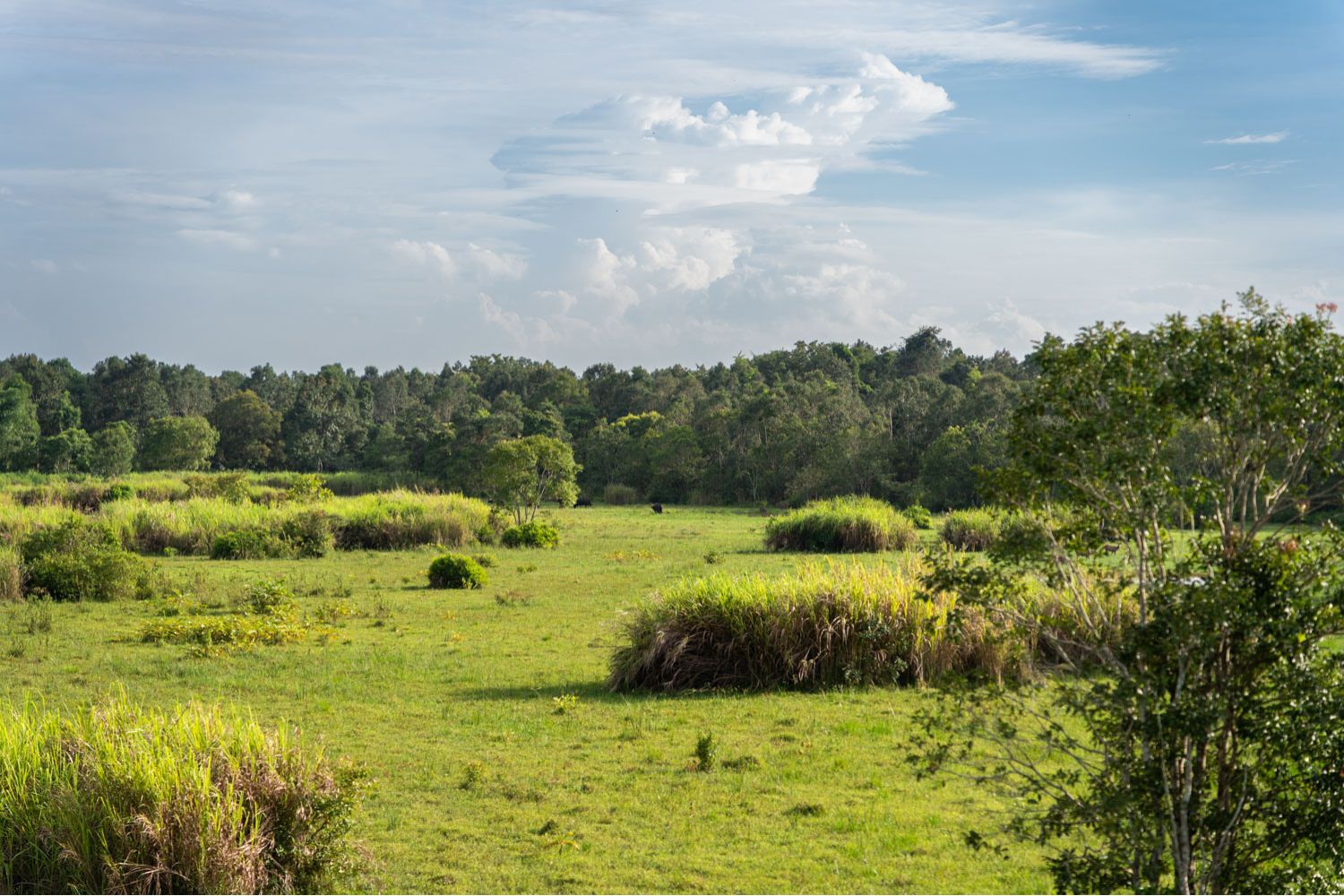
The forest ecosystem in Cat Tien National Park.
The Flora (Plant Life)
Cat Tien National Park has a rich plant ecosystem with more than 1,300 species of vascular plants, including many rare and protected species. This plant diversity plays an important role in maintaining a healthy forest and supporting wildlife.
Among the most remarkable plants are the giant trees in Cat Tien, which are symbols of the park’s old-growth forests. One of the most famous examples is the ancient Tung tree (Tetrameles nudiflora). This tall tree grows in lowland evergreen forests and is supported by large buttress roots that spread across the ground. Visitors are often impressed by its massive size and unique root shapes.
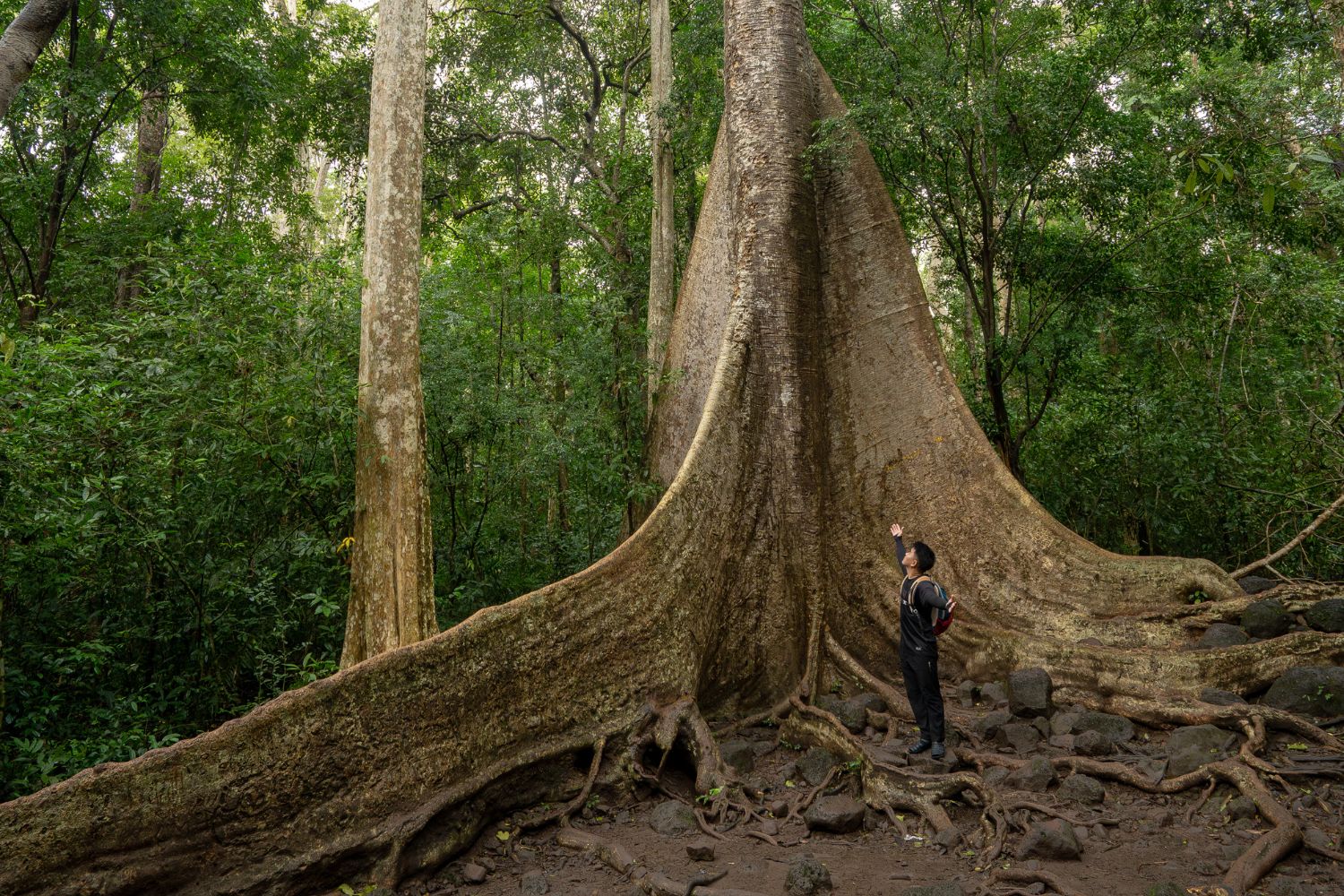
The Ancient Tung tree in Nam Cat Tien.
Along trekking trails, Bang Lang trees (Lagerstroemia calyculata) are also easy to spot with their straight trunks, peeling bark, and white or purple flowers. Even when termites create hollow spaces inside these trees, they continue to survive and provide shelter for other animals. Together, these long-living trees are strong indicators of a stable and well-preserved forest ecosystem in Cat Tien National Park.
Fauna (Animal Life) in Cat Tien National Park
Cat Tien National Park is a key wildlife conservation area in southern Vietnam. To date, Cat Tien National Park has recorded at least 76 mammal species, 320 bird species, 74 reptiles, 35 amphibians, 99 fish, and 435 butterfly species. In addition, researchers believe that many more species may be present, including another 32 mammals, 19 birds, nine reptiles, four amphibians, 31 fish, and four butterfly species that have not yet been fully confirmed. Among the species already identified, 16 mammals, 15 birds, and eight reptiles are classified as globally threatened, highlighting the park’s high conservation value.
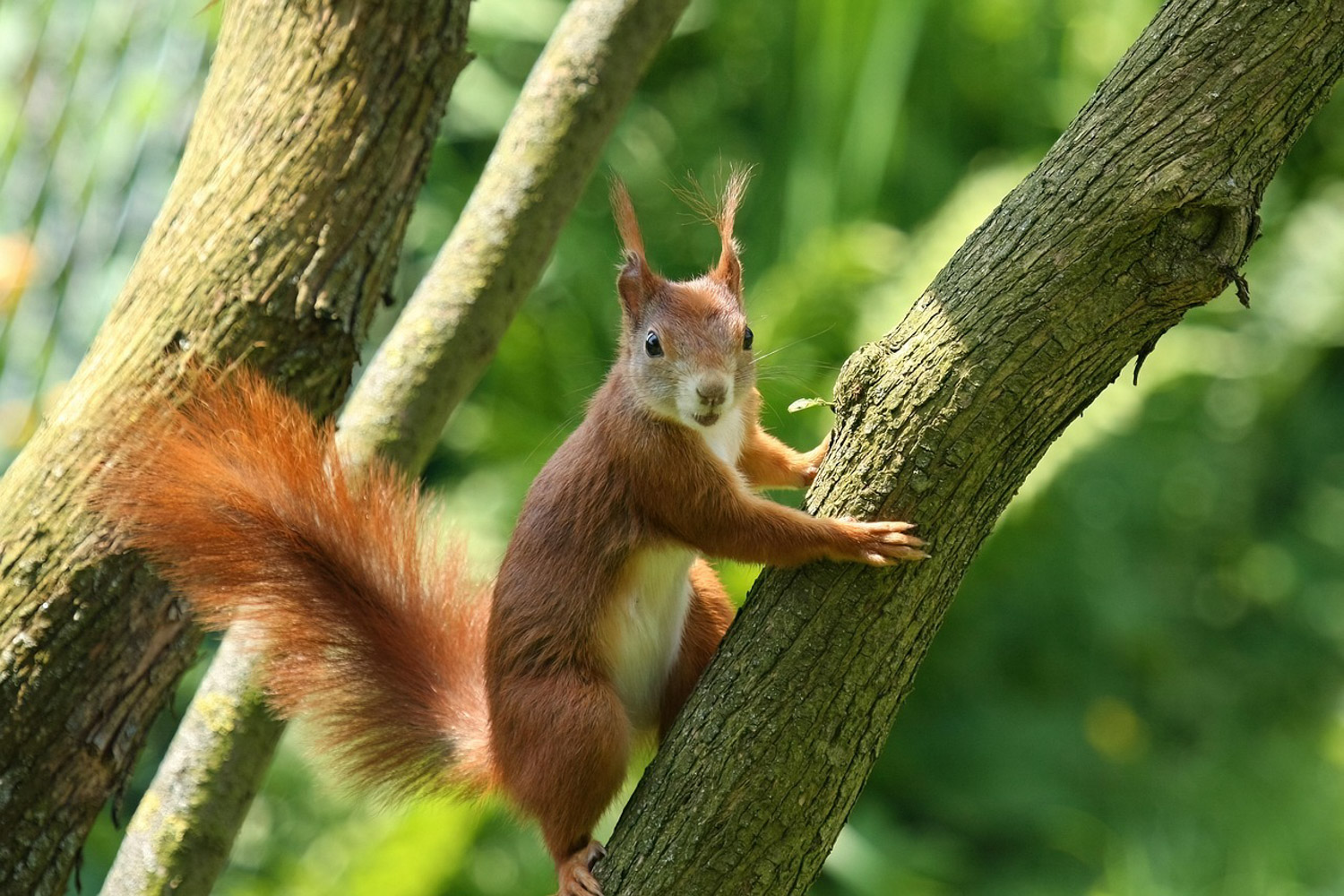
The diversity of large mammals further highlights Cat Tien National Park’s outstanding natural value. Species such as the Asian Elephant, Eurasian Wild Pig, Sambar Deer, and Gaur thrive across the park’s forests and grasslands, with gaur and sambar deer occurring in notably high numbers compared to many other areas in Vietnam.
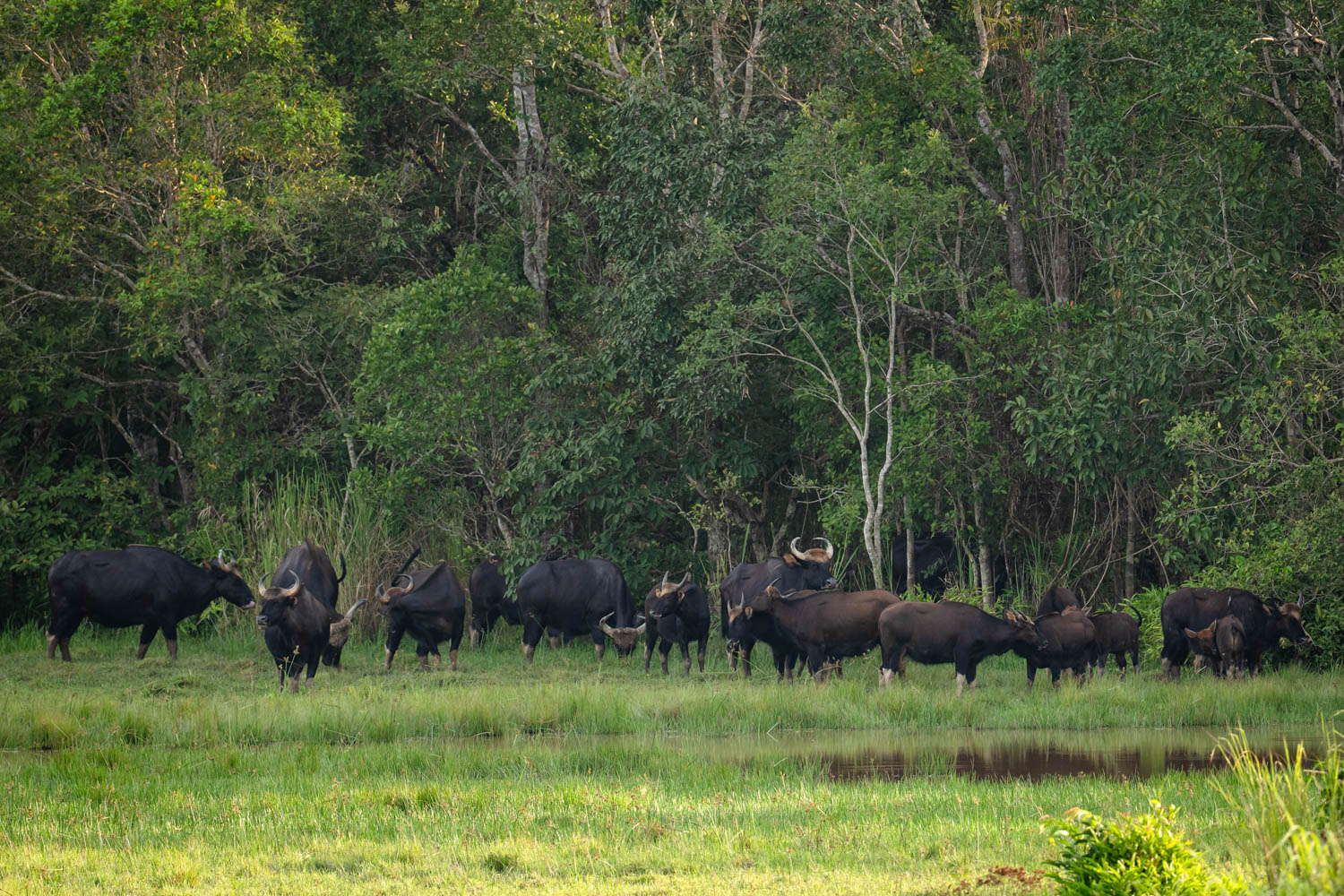
A population of gaur lives in Cat Tien National Park.
Cat Tien holds a special place in global conservation history as the last known mainland Southeast Asian habitat of the Lesser One-horned Rhinoceros, underlining the park’s exceptional biological importance. In addition, the park’s wetlands, especially lakes and marshes such as Crocodile Lake, support rich communities of fish, amphibians, and reptiles, including the rare Siamese crocodile, while also attracting large numbers of birds and helping maintain the park’s ecological balance.
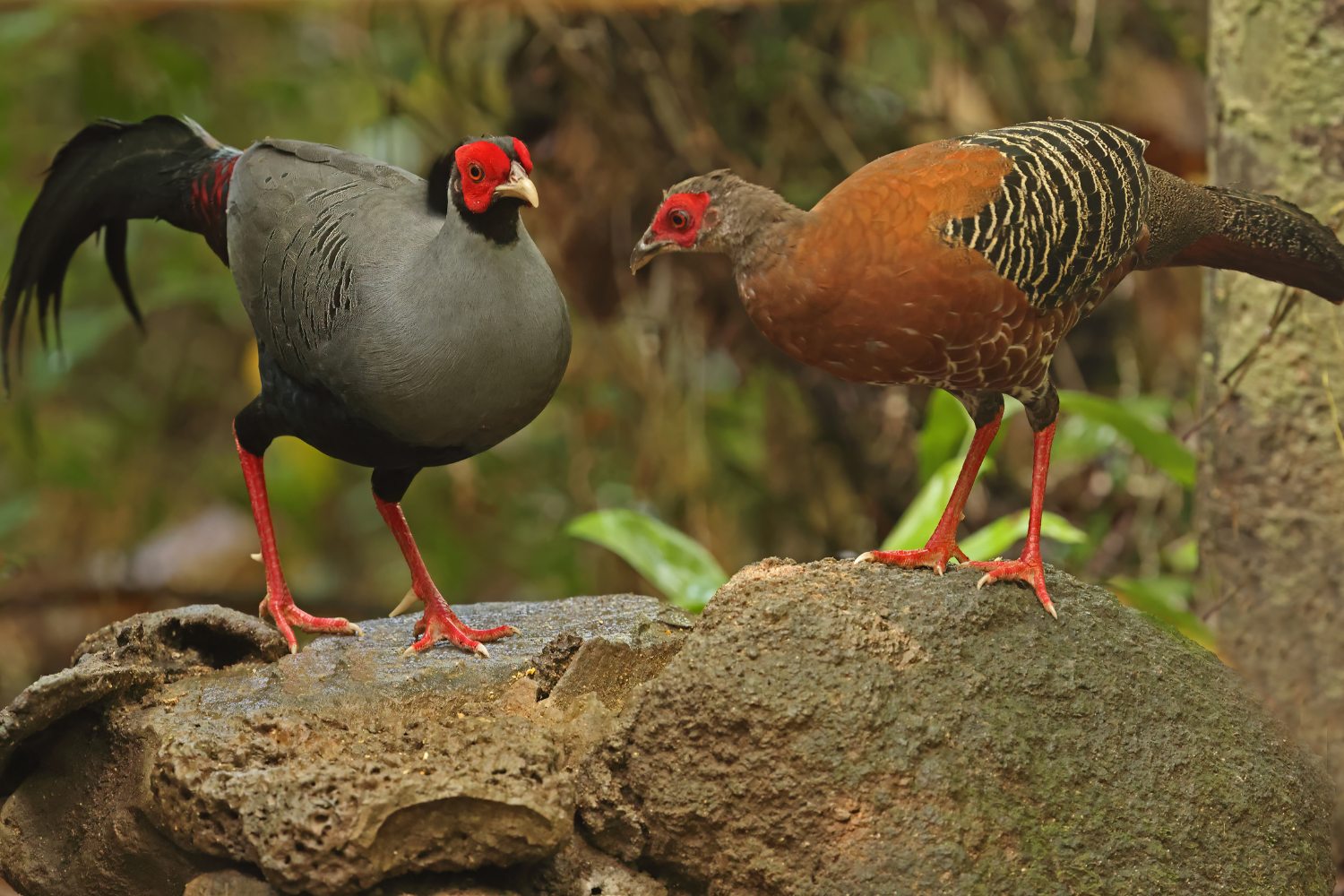
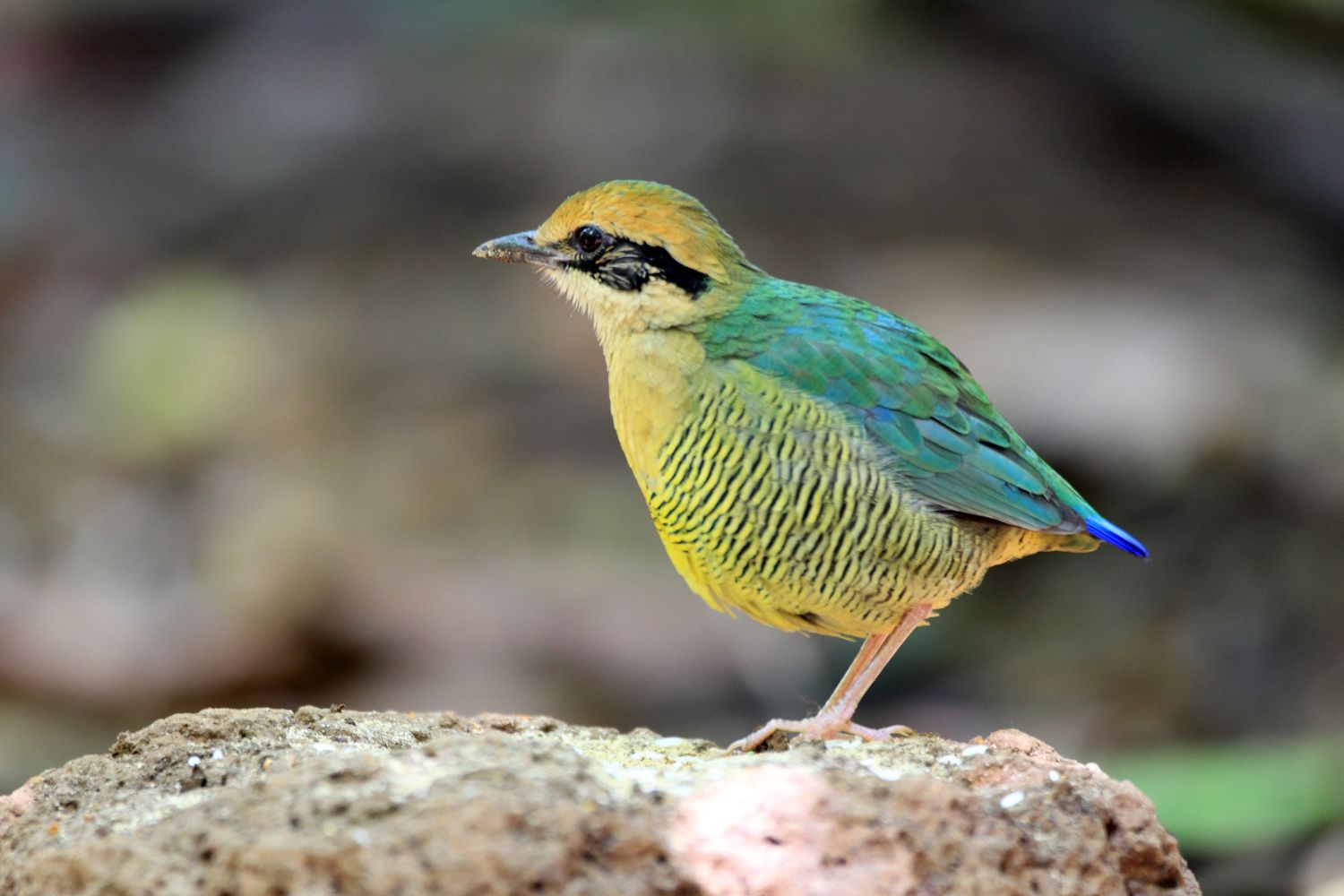
The park also is home to more than one-third of all bird species in Vietnam, including both resident and migratory birds that live in forests, wetlands, and lake areas. Located in the South Vietnamese lowlands endemic bird area, Cat Tien protects rare species found in very few places, such as the Orange-necked Partridge, Germain’s Peacock Pheasant, and Grey-faced Tit Babbler. The park is vital for waterbird conservation, with globally threatened species like the White-shouldered Ibis, White-winged Duck, and Lesser Adjutant recorded here.
Primates are another highlight of the park. Cat Tien protects endangered species like the Black-shanked Douc Langur and the Yellow-cheeked Gibbon, which depend on healthy, undisturbed forests. Their presence is a strong sign of the park’s ecological balance and biodiversity.
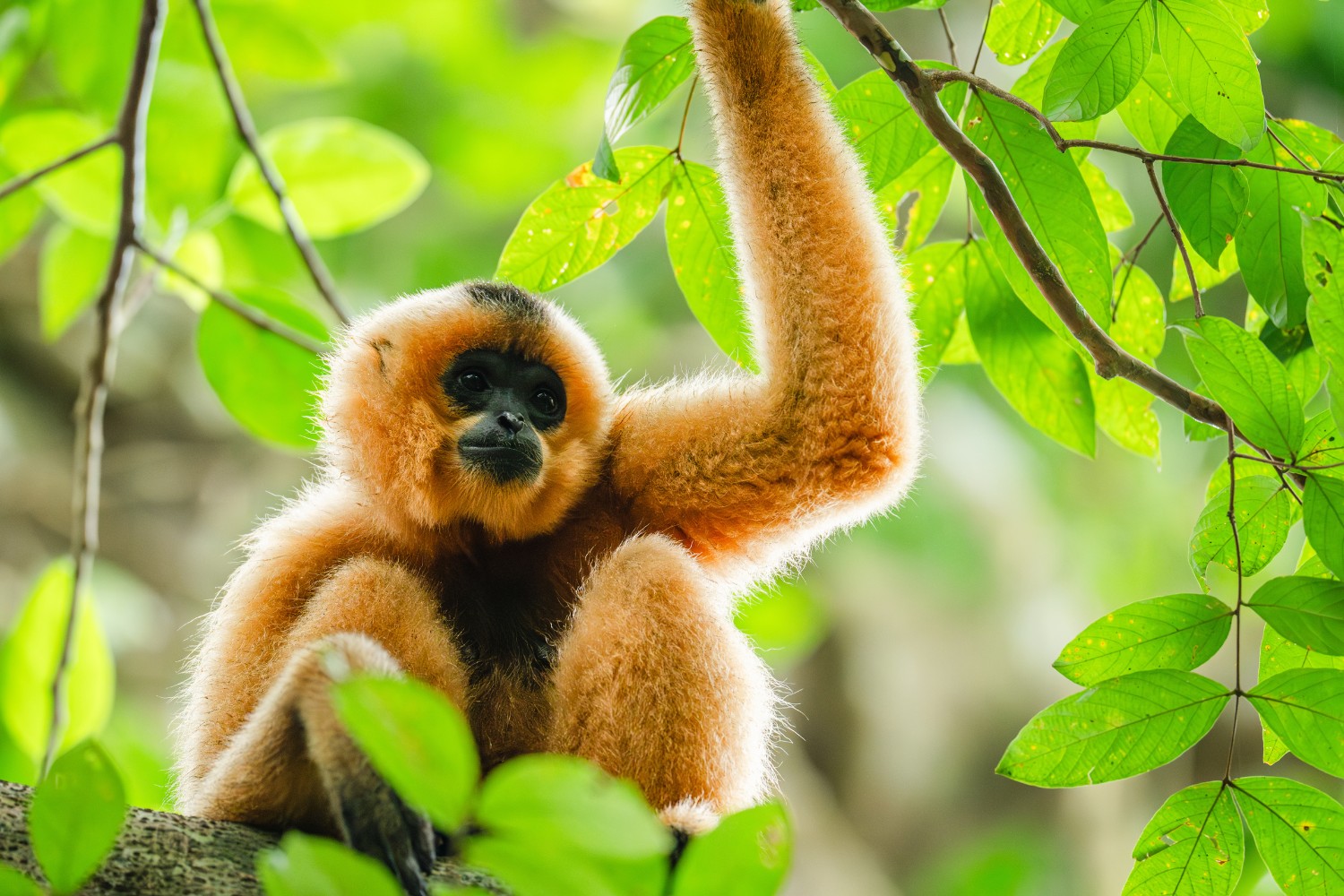
The Yellow-cheeked Gibbon live in Cat Tien National Park.
Wetland Ecology
Wetlands are an essential part of Cat Tien National Park. They act as natural water reservoirs, helping to regulate river flow and reduce flooding in nearby areas. These wetlands create ideal living conditions for fish, amphibians, reptiles, and many bird species. In total, Cat Tien’s wetlands cover about 4,000 - 5,000 hectares and include a connected system of lakes and seasonally flooded grasslands.
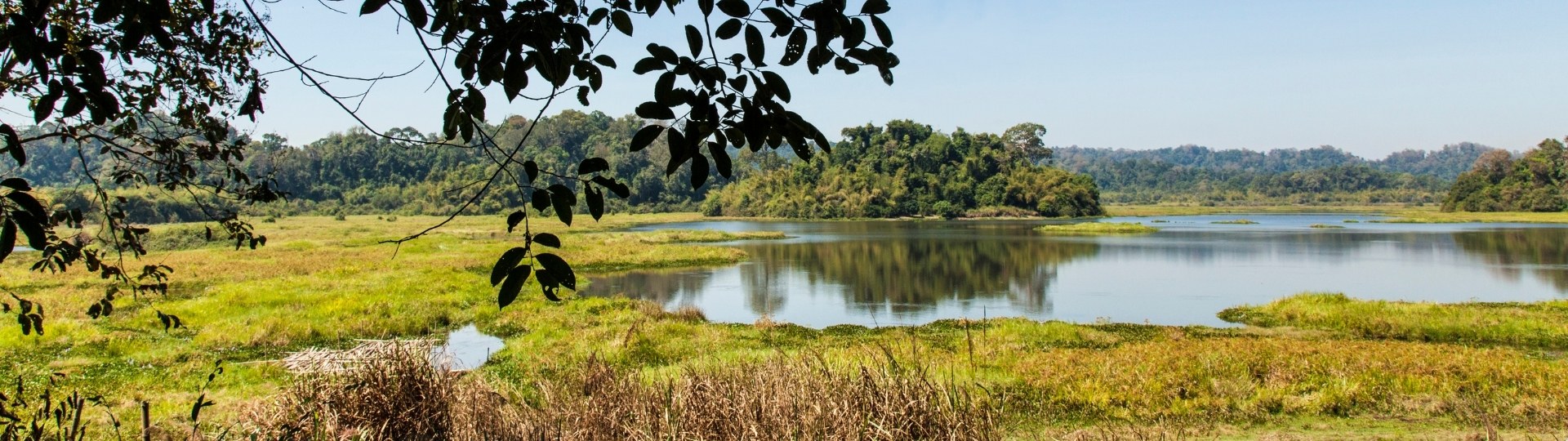
Bau Sau, also known as Crocodile Lake, is the most famous wetland in the park and a key habitat for the crocodile. Conservation efforts here have shown very positive results. In 2013, only 92 freshwater crocodiles were recorded. By 2019, this number increased to nearly 300 individuals, showing stable and healthy growth. After more than 20 years of protection, recent data from Cat Tien National Park confirms that the crocodile population at Bau Sau has now exceeded 500 individuals. This success proves that long-term conservation in Cat Tien has been effective, and the future of the crocodile in this area is now much more secure.
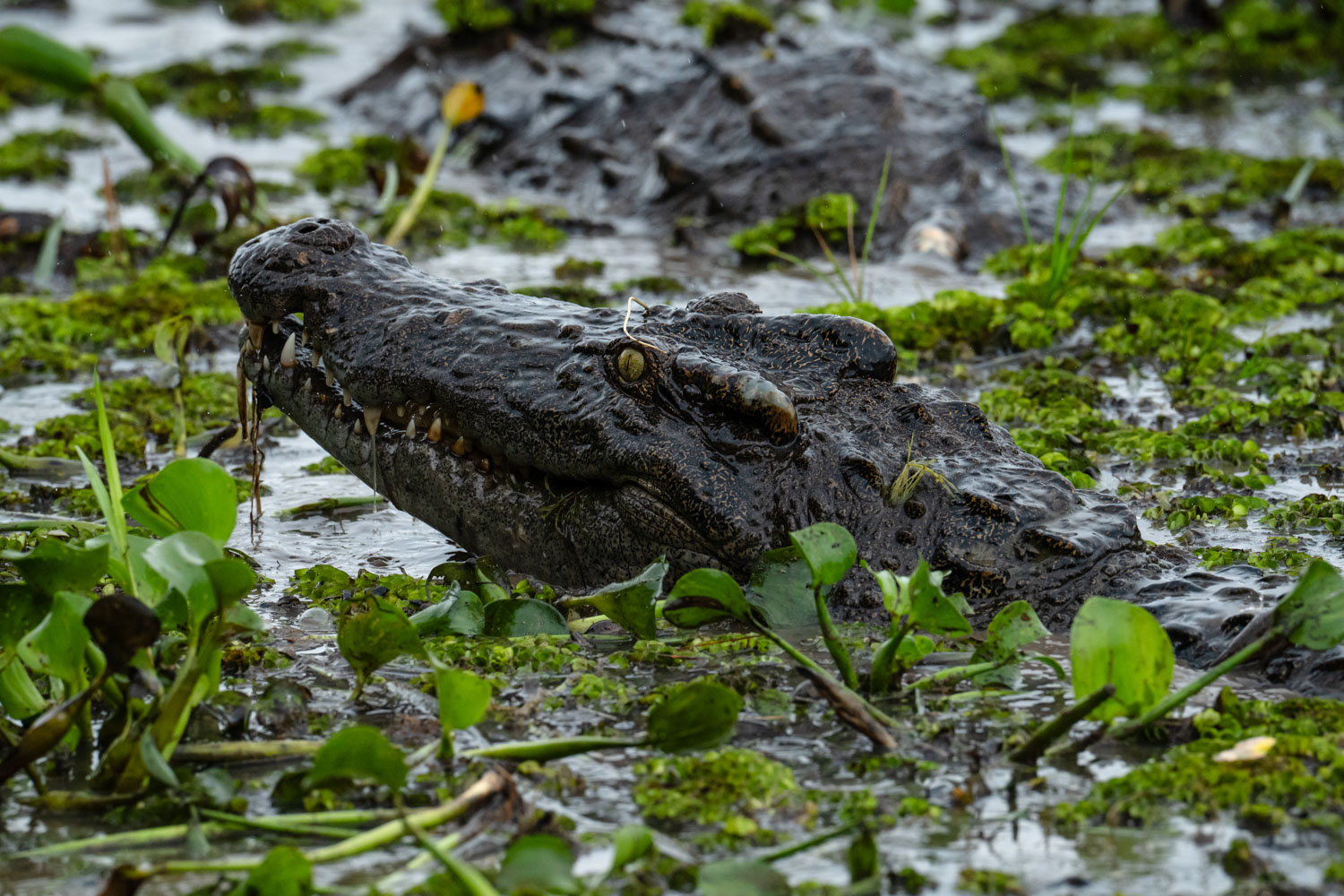
Crocodiles inhabit Bau Sau in Cat Tien National Park.
In addition to reptiles, the wetlands are also important for birds. Many waterbirds gather here throughout the year, especially during the wet season. Rare species such as the green peafowl and the lesser adjutant can be found in these habitats, making Cat Tien’s wetlands a valuable area for biodiversity conservation and a highlight for nature-loving visitors.
Entomology (The Insect World)
Beyond its larger wildlife, Cat Tien National Park supports a rich and diverse insect world. During the Cat Tien’s butterfly season, hundreds of butterflies appear along forest trails and riverbanks, creating colorful “butterfly clouds.” More than 450 species of butterflies live in Cat Tien National Park. Some of them are rare and protected in Vietnam’s Red Data Book.
Cat Tien has an incredible variety of insects and other small creatures. Beetles are especially diverse, and visitors may also spot spiders such as huntsman spiders or funnel-web spiders, as well as large millipedes on the forest floor. These insects play a key role in pollination, soil health, and the food chain.
Cat Tien Cultural Heritage and Archaeology
Cat Tien is famous for its wildlife and cultural history. The area is home to ancient religious structures built between the 4th and 9th centuries. Research shows that Cat Tien was influenced by Oc Eo culture, as well as Brahmin and Hindu beliefs. This suggests that the area was once an important spiritual center and a place where different ancient cultures met in southern Vietnam.
In the past, this area played a key role in early east-west trade routes. The remains include brick and stone temples, altars, tombs, water systems, and long houses, many of which face east and are connected to the river by paved paths. More than 1,140 artifacts have been discovered here, made from gold, silver, bronze, and gemstones. Among the most impressive finds are hundreds of finely carved gold reliefs, showing images of gods and sacred symbols. The site was recognized as a National Historical Monument in 1988.
Today, Cat Tien is home to living cultural traditions. Visitors can meet the Ma and Stieng ethnic groups in Ta Lai, Cat Tien, where daily life is closely connected to the forest. Since 2008, Cat Tien National Park has supported community-based tourism to help protect indigenous culture and improve local livelihoods.
One clear example is the traditional longhouse of the Mạ people near Vam Ho Lake, surrounded by natural forest. This place shows the long relationship between the Mạ community and the land of Cat Tien. The Mạ people take part in tourism activities and share their culture through gong music, traditional dances, brocade weaving, and handicrafts.
These communities preserve many intangible cultural values, such as traditional weaving, gong music, and traditional lithophones, which are stone musical instruments used in spiritual ceremonies. Their close connection with nature adds a human and cultural layer to the natural beauty of Cat Tien, making the park a special place where history, culture, and rainforest come together.
Environmental Conservation and Management at Cat Tien National Park
Environmental protection is a top priority at Cat Tien National Park, and conservation work is carefully planned for the long term. The park is working to meet international standards, including becoming a candidate for the IUCN Green List. This global program recognizes protected areas that are well managed, fairly governed, and effective in protecting nature.
For Cat Tien, this means improving park management, strengthening protection policies, and making sure conservation efforts benefit both the natural environment and local communities.
Cat Tien also plays a vital role in wildlife rescue and rehabilitation. Important facilities such as the Dao Tien Endangered Primate Species Centre and the Bear Rescue Station care for animals rescued from illegal trade or harmful conditions. These centers focus on treatment, rehabilitation, and education, while also supporting wildlife poaching prevention through awareness programs and cooperation with park rangers.
At the same time, Cat Tien National Park still faces several challenges. Some forest areas need restoration because of past logging and the effects of war. Since wildlife and local communities live close together, managing human - wildlife conflict is important to keep both people and animals safe.
Illegal hunting remains a serious problem, so regular patrols and strong law enforcement are needed. Tourism can support conservation and local livelihoods, but it must be managed carefully. Clear rules, well-trained staff and guides, environmental impact checks, and proper waste management help reduce negative impacts. In the buffer zones around the park, improving local living conditions is necessary, but new roads and buildings must be planned carefully to protect Cat Tien’s fragile natural environment.
Strategic Activities of the Management Board
The Management Board of Cat Tien National Park follows a clear and long-term plan to protect the forest and its wildlife. Scientific research is an important part of this work and is carried out with national and international partners. Tools such as camera traps and monitoring systems help the park understand animal populations and support better conservation decisions.
With approval from the Management Board, Oxalis Adventure funded the installation of a live wildlife camera system. To date, 8 cameras have been placed in key areas where animals are often seen. Park staff helped choose suitable locations and supported daily operation and maintenance. The cameras provide real-time images that are useful for conservation, research, education, and responsible tourism. To help visitors learn more, Oxalis also donated a TV screen at the visitor center, where guests can watch live wildlife footage and better understand life inside the forest.
Forest protection is strengthened through cooperation with WWF and other partners. Rangers receive training and modern equipment to carry out daily patrols, remove illegal traps, and respond quickly to threats. A special trap removal team plays an important role in reducing illegal hunting.
At the same time, the park works closely with local communities and visitors. Through eco-tourism, environmental education, and plastic-free tourism programs, Cat Tien encourages responsible travel. Income from eco-tourism is used again for forest protection.
Sustainable Tourism at Cat Tien National Park
1. Camping and Night Safari at Nam Cat Tien
Camping and night safari activities at Cat Tien are available only in designated camping areas within the park. Staying overnight in these areas allows visitors to enjoy the peaceful atmosphere of the forest after dark.
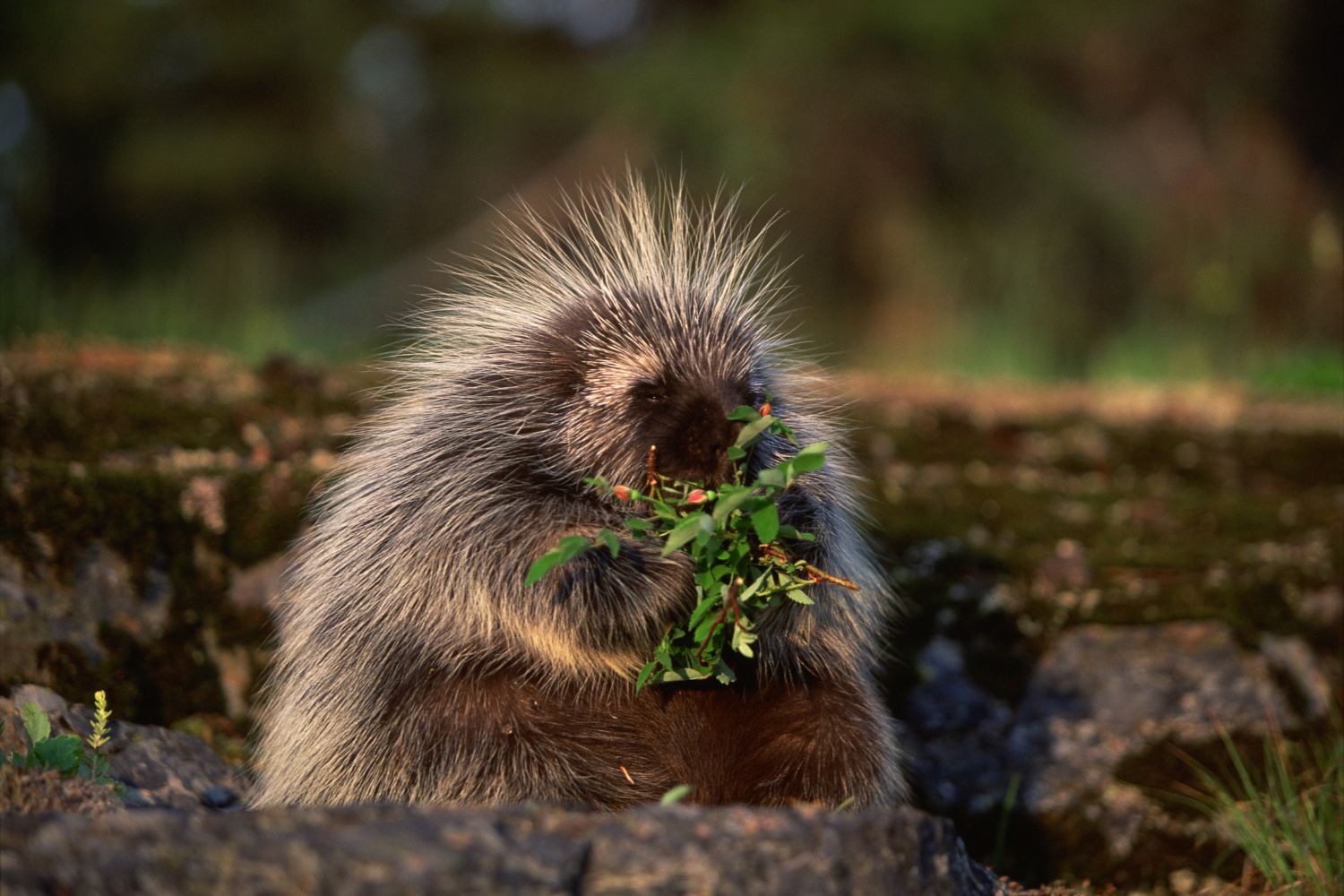
The guided night safari gives visitors a chance to observe nocturnal animals in a safe and responsible way. With the support of experienced guides, animals such as deer, wild boar, civets, porcupines, and other species may be seen as they become active at night. This experience is both exciting and educational, helping visitors learn about wildlife behavior while supporting sustainable tourism in Cat Tien.
2. Mushroom Research Centre
Located near the park headquarters, the Mushroom Research Centre introduces visitors to the hidden world of fungi. Over the past decade, more than 300 mushroom species have been recorded, with nearly 200 preserved for research. Visitors can see cultivation areas for native medicinal mushrooms such as Lingzhi, Bao ngu, and Bach huong. This centre helps visitors understand biodiversity and the sustainable use of forest resources.
3. Green riding
Cycling is one of the most eco-friendly ways to explore the park. Cat Tien offers about 15 km of cycling routes that pass through forests and natural landmarks. Green riding reduces pollution and noise while allowing visitors to enjoy nature slowly and responsibly, making it a popular activity for eco-conscious travelers.
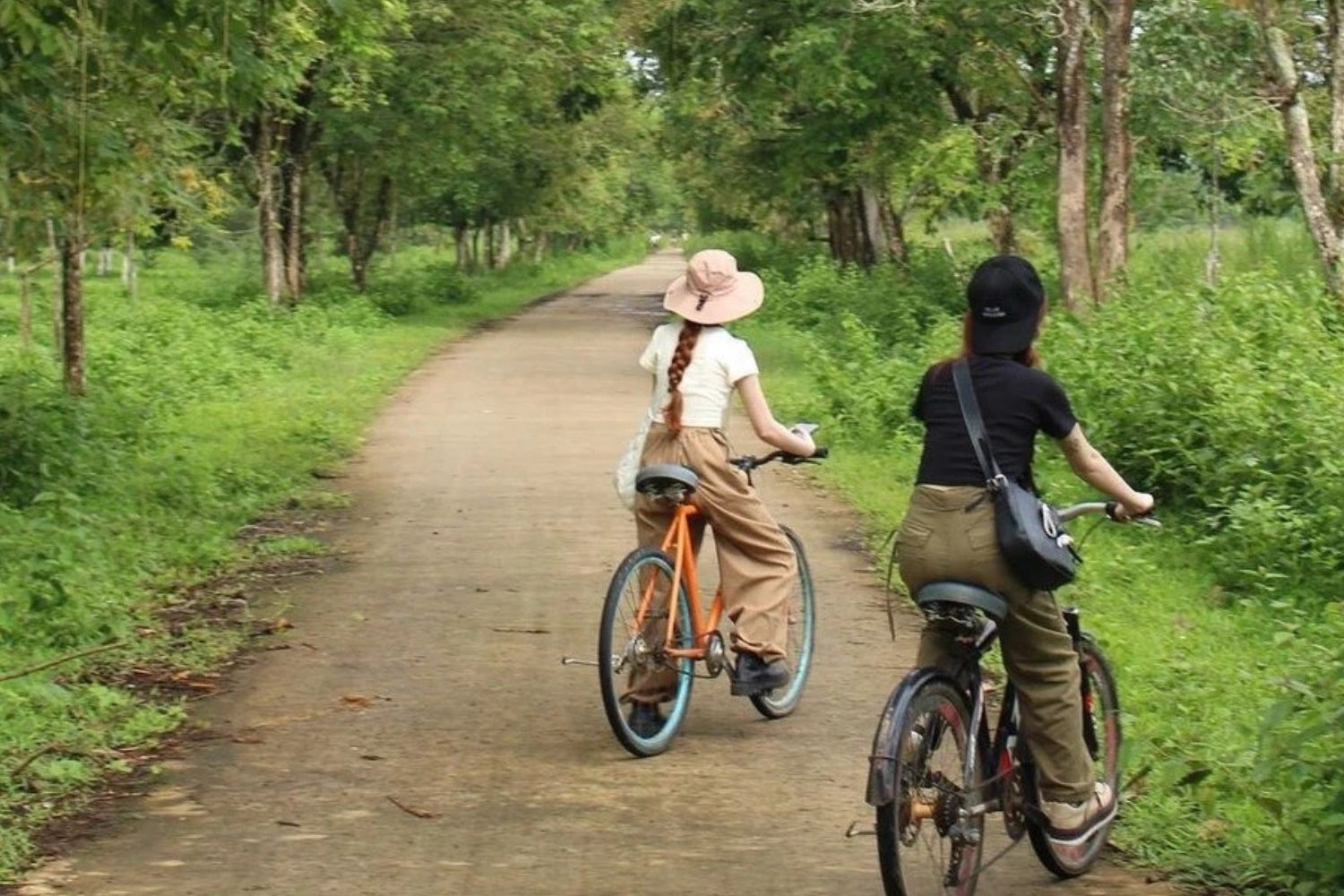
Green riding experience in Nam Cat Tien, surrounded by nature.
4. Community-based tourism in Ta Lai
Ta Lai is a highlight of ethnic community tourism in Vietnam, where visitors can stay in traditional longhouses and learn about the culture of the Ma people. These longhouses are built and maintained by local communities with support from conservation organizations. Tourism income helps improve local livelihoods while preserving cultural identity. Visitors can join simple cultural experiences such as gong music performances, traditional dances, and brocade weaving. Handmade products like woven fabrics and bamboo baskets are also sold, helping local families earn income while keeping their cultural traditions alive. Each overnight stay also contributes directly to a community development fund, ensuring long-term benefits for local people.
Logistics for the Conscious Traveler
Planning your trip well will help you enjoy Cat Tien National Park in a responsible and meaningful way. The best time to visit Cat Tien is during the dry season, from December to May, when the weather is pleasant and forest trails are easier to access. This period is also ideal for nature lovers and researchers, as it matches important biological cycles such as butterfly season and bird migration, offering better chances for wildlife observation.
From Ho Chi Minh City, Cat Tien can be reached by bus, coach or private car in about 3-4 hours. Choosing public transport or shared vehicles helps reduce your carbon footprint and supports more sustainable travel. Once inside the park, bicycles and electric vehicles are encouraged instead of fuel-powered transport.
As a protected area, Cat Tien asks visitors to follow ethical travel practices. This includes following “Leave No Trace” principles, keeping noise levels low to avoid disturbing wildlife, and respecting the customs and traditions of local ethnic communities. By traveling consciously, visitors help protect the park’s fragile ecosystems while enjoying a deeper connection with nature.
Developmental Potential of Cat Tien National Park
Cat Tien National Park is well positioned to grow in line with Vietnam’s eco-tourism vision 2030, aiming to become a high-quality, nature-based destination while protecting its core ecosystems. Located about 150 km from Ho Chi Minh City on the route to Da Lat, the park is easy to reach for weekend travelers and regional tours. Planned infrastructure upgrades, including a bridge over the Dong Nai River to replace the ferry, will improve access, especially during peak seasons. In the future, the nearby Long Thanh International Airport will further support international tourism.
In terms of management, Cat Tien has strong potential to apply smart forest management technology, such as AI-based monitoring, camera traps, and digital data systems, to improve wildlife protection, forest patrols, and fire prevention. These tools help the park balance conservation with carefully managed tourism growth.
Cat Tien can also develop into a leading environmental education center in southern Vietnam. With its rich biodiversity and long conservation history, the park is an ideal place for educational programs, field studies, and awareness activities for students, researchers, and eco-conscious travelers. Combined with community-based tourism involving the Ma people, wellness retreats in quiet forest areas, and professional night safari experiences, Cat Tien’s future development can create lasting benefits for both nature and local communities.
With its rich natural diversity, strong conservation work, and growing eco-tourism activities, Cat Tien National Park is becoming one of Vietnam’s most attractive nature destinations, where visitors can explore, learn, and reconnect with the rainforest in a responsible way.
References
- Ministry of Natural Resources and Environment. (2004). Sourcebook of existing and proposed protected areas in Vietnam (2nd ed.).
- Nham, H. (2024). Sustainable management and biodiversity protection in Cat Tien National Park.
- Nguyen, M. (2021). Cat Tien National Park booklet.
- Đinh, T. S. (2024). Tiềm năng và giải pháp phát triển bền vững du lịch sinh thái ở Khu Bảo tồn Thiên nhiên - Văn hóa Đồng Nai.