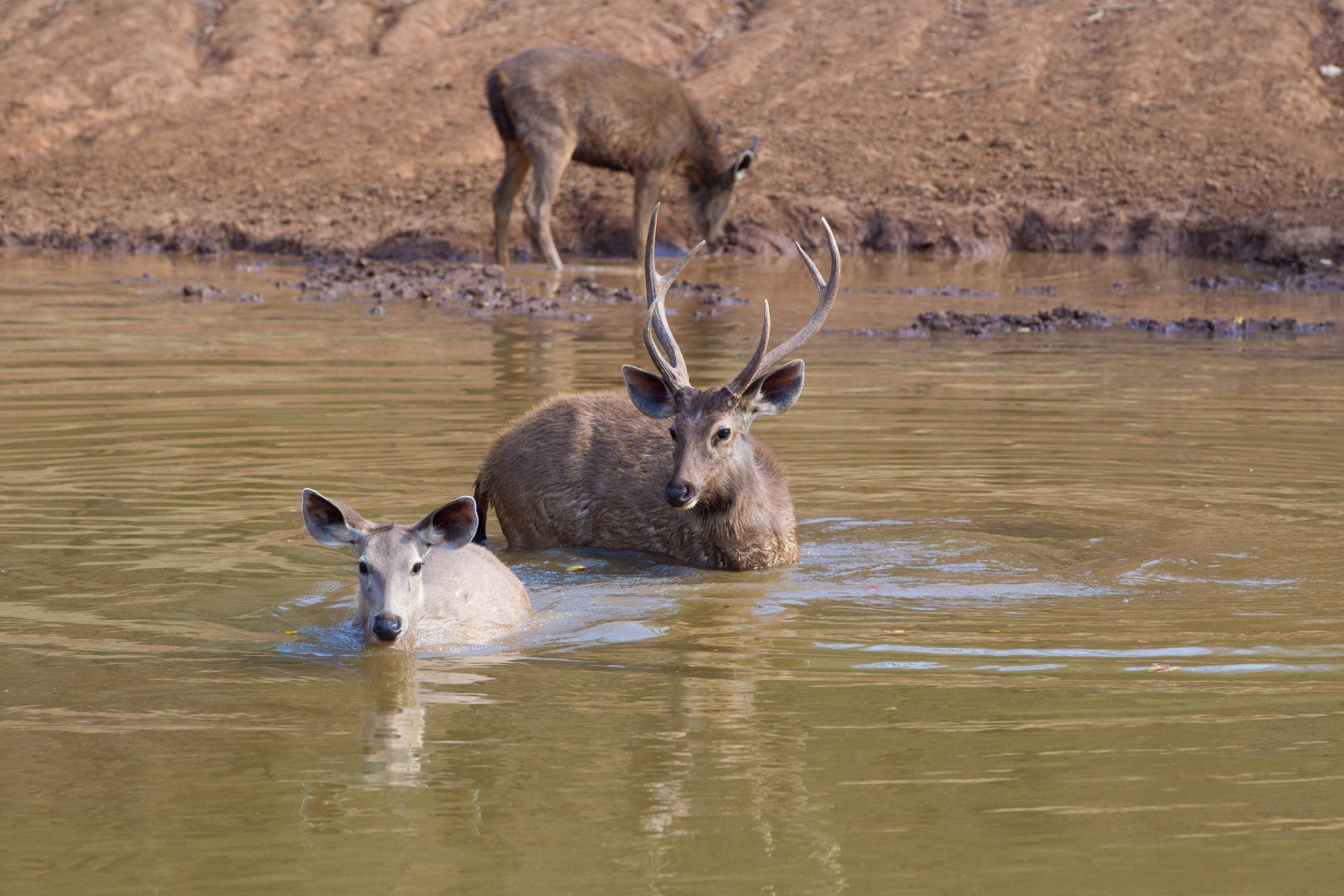
CAM001
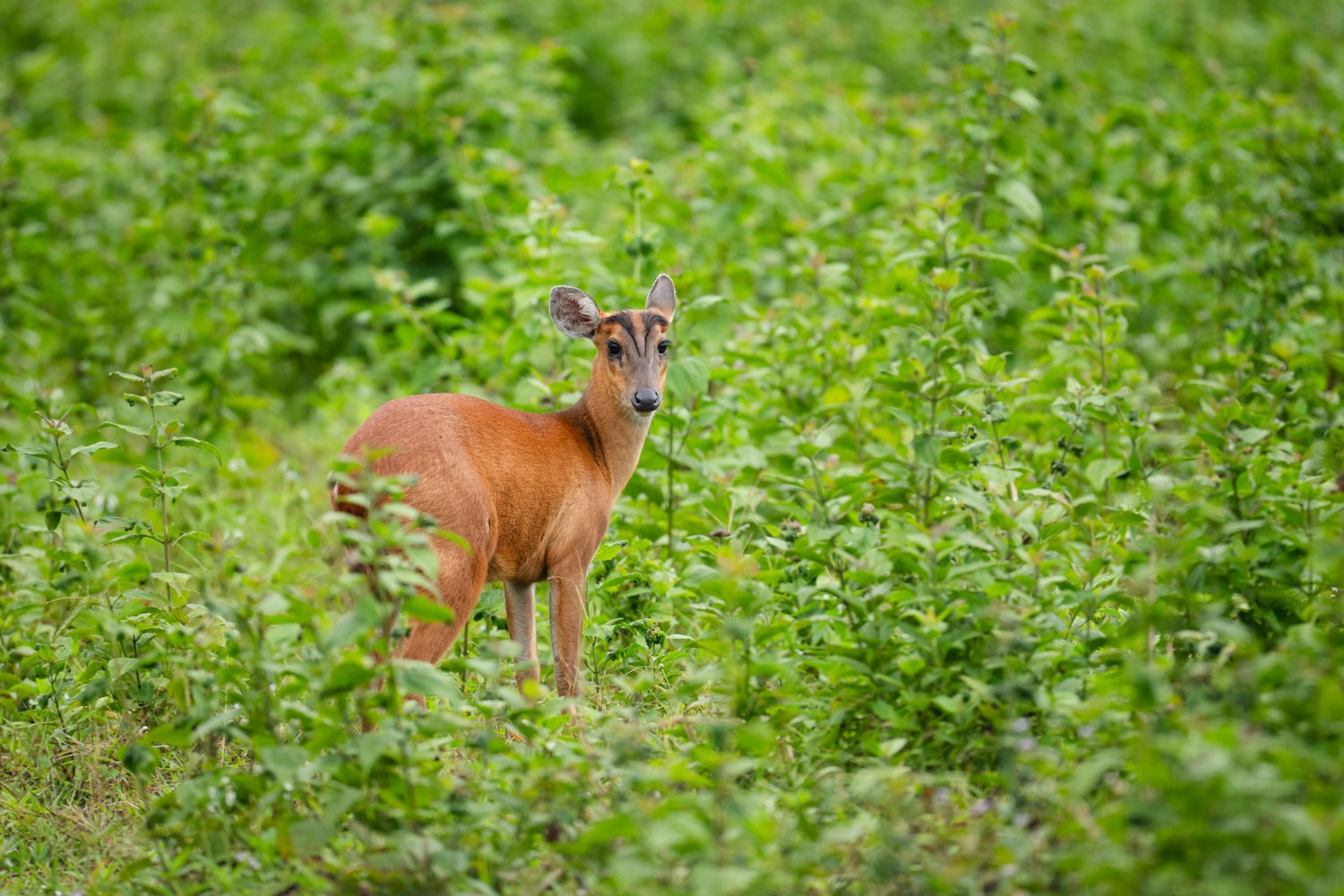
During the monitoring period, CAM001 recorded a significant gathering of barking deer

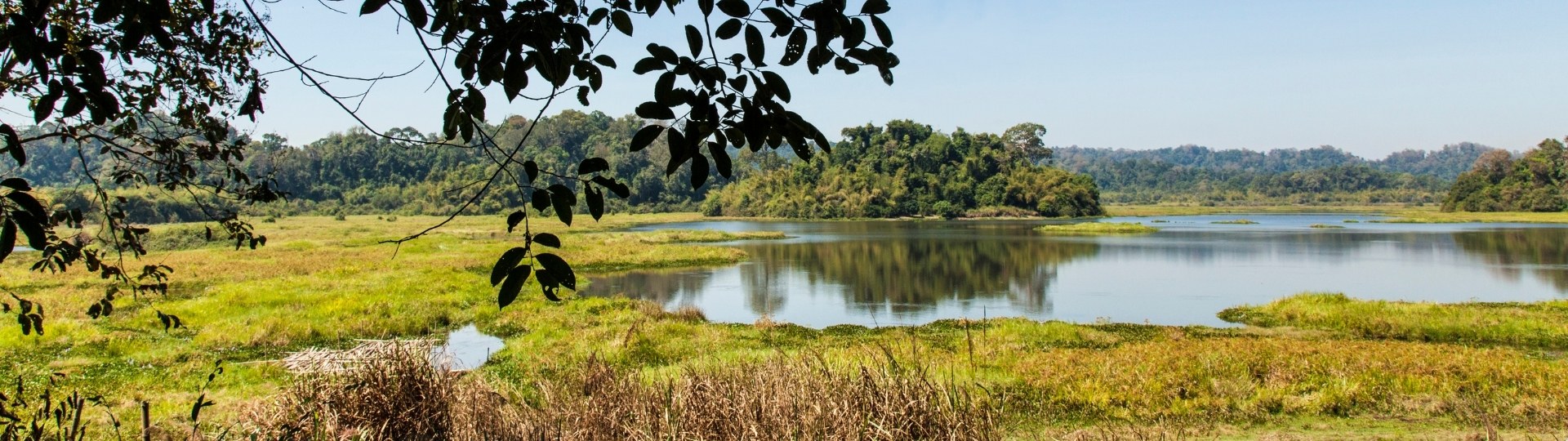
Deep within Cat Tien National Park, CAM003 overlooks a unique transition zone where dense secondary forest gradually gives way to an open grassland clearing. From this elevated vantage point, the camera captures a wide, panoramic view of a key wildlife corridor - frequently used by grazing animals and forest birds moving between shelter and open space.
Streaming live 24/7, CAM003 offers a real-time window into the rhythms of the wild, from the first light of dawn to the stillness of night. The footage is raw and unedited, presenting nature exactly as it unfolds.
In the next phase, CAM003 will be integrated with Katien AI Sentinel - an intelligent monitoring system powered by high-precision cameras, a dedicated AI server, and custom-built algorithms tailored specifically for Cat Tien National Park. As you watch, the system will automatically identify and label wildlife on screen, while continuously generating data to support biodiversity research and conservation efforts.
Early in the morning, two muntjac deer can be seen on the grassland. One male, small in size and naturally cautious, notices another individual across the open area and moves closer to investigate. However, muntjacs are highly alert animals - the second deer quickly flees, highlighting their instinct to avoid potential threats.
Muntjac deer, often called “barking deer,” are among the smallest deer species in Asia, commonly found in forest edges and grasslands such as those in Cat Tien National Park. Males are distinctive, with short antlers and elongated canine tusks that can be used in territorial disputes.
Rather than relying on herd protection, muntjacs are typically solitary and depend on stealth and quick reflexes to survive. This brief encounter reflects their cautious nature - curious, yet always ready to retreat at the slightest sign of risk.
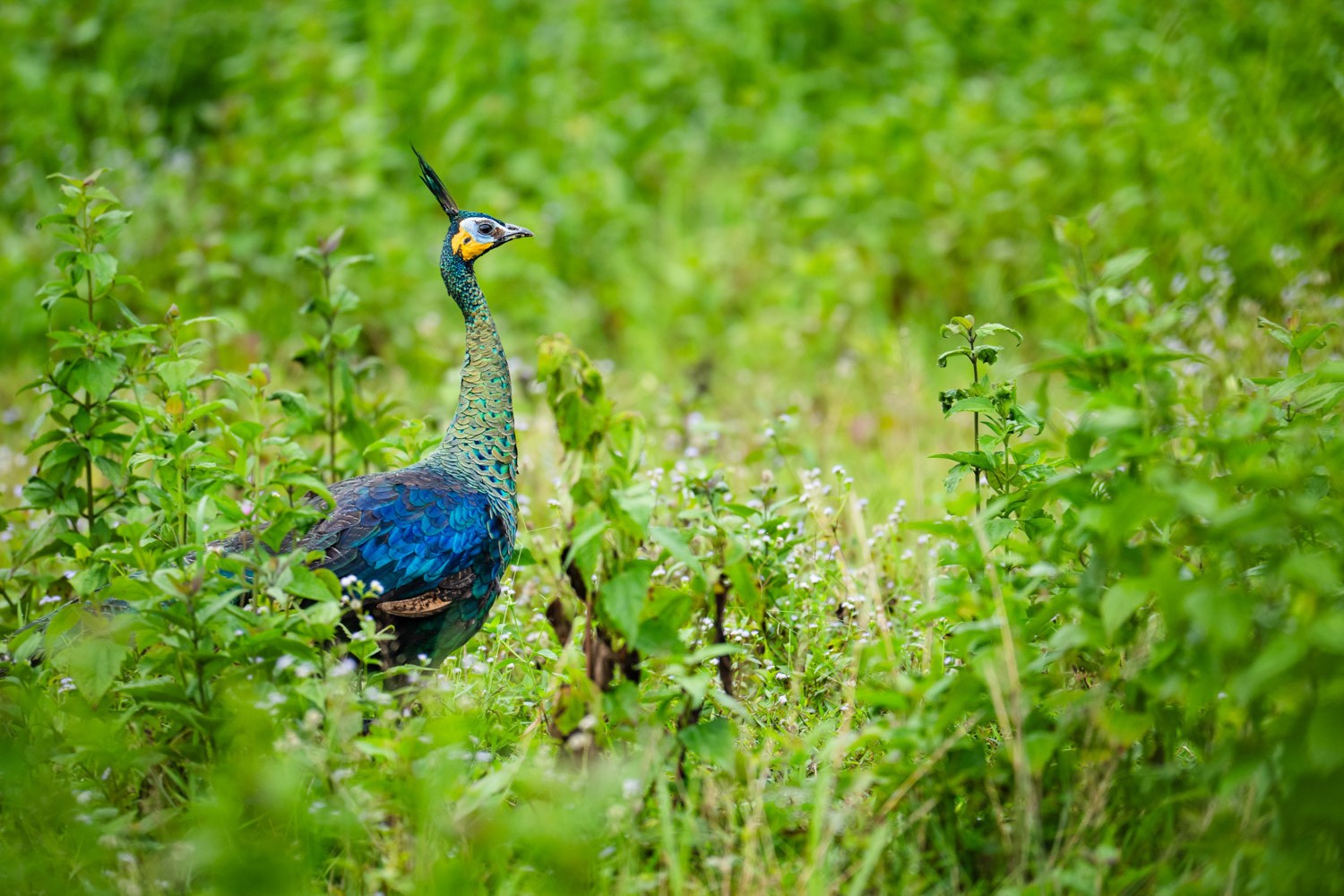
A Green Peafowl moves through the grassland at dawn, feeding quietly as the day begins. While males are famous for their elaborate displays, this behaviour is typically reserved for courtship when females are present. At other times - like this solitary early morning moment - they remain grounded, conserving energy and focusing on foraging.
Classified as Endangered, the Green Peafowl is increasingly rare across its range, making even these quiet, everyday sightings in places like Cat Tien National Park especially meaningful.
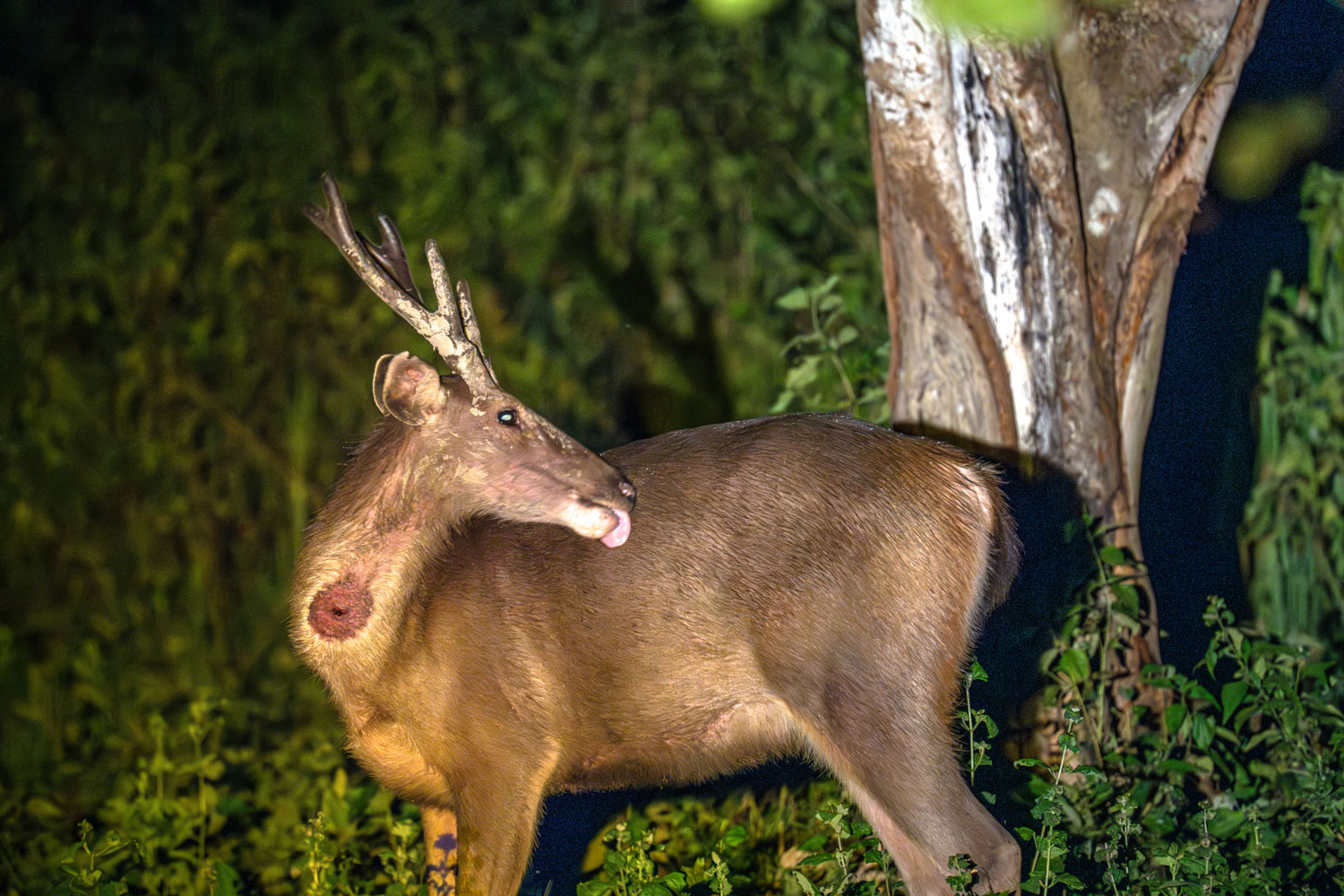
A lone Sambar Deer is observed foraging in the grassland during the late afternoon in Cat Tien National Park. Moving steadily across the open area, it searches for grasses and vegetation before nightfall.
Sambar deer are typically most active during the cooler hours of the day, often feeding in open habitats while remaining alert to potential threats. Although they can form small groups, they are frequently solitary animals, especially adult individuals.
The deer’s steady, cautious movement reflects its need to balance feeding with vigilance, offering a natural glimpse into how the species navigates open environments.
Read more about: Sambar deer - the largest deer species in Cat Tien.
Two porcupines pass through the frame at night in Cat Tien National Park, moving in close succession, with one following closely behind the other. The interaction suggests courtship behavior, offering a brief glimpse into the species’ nocturnal activity in the Park.
As a nocturnal species, porcupines are most active after dark, when cooler temperatures and reduced disturbance make it easier for them to move around, forage and interact.
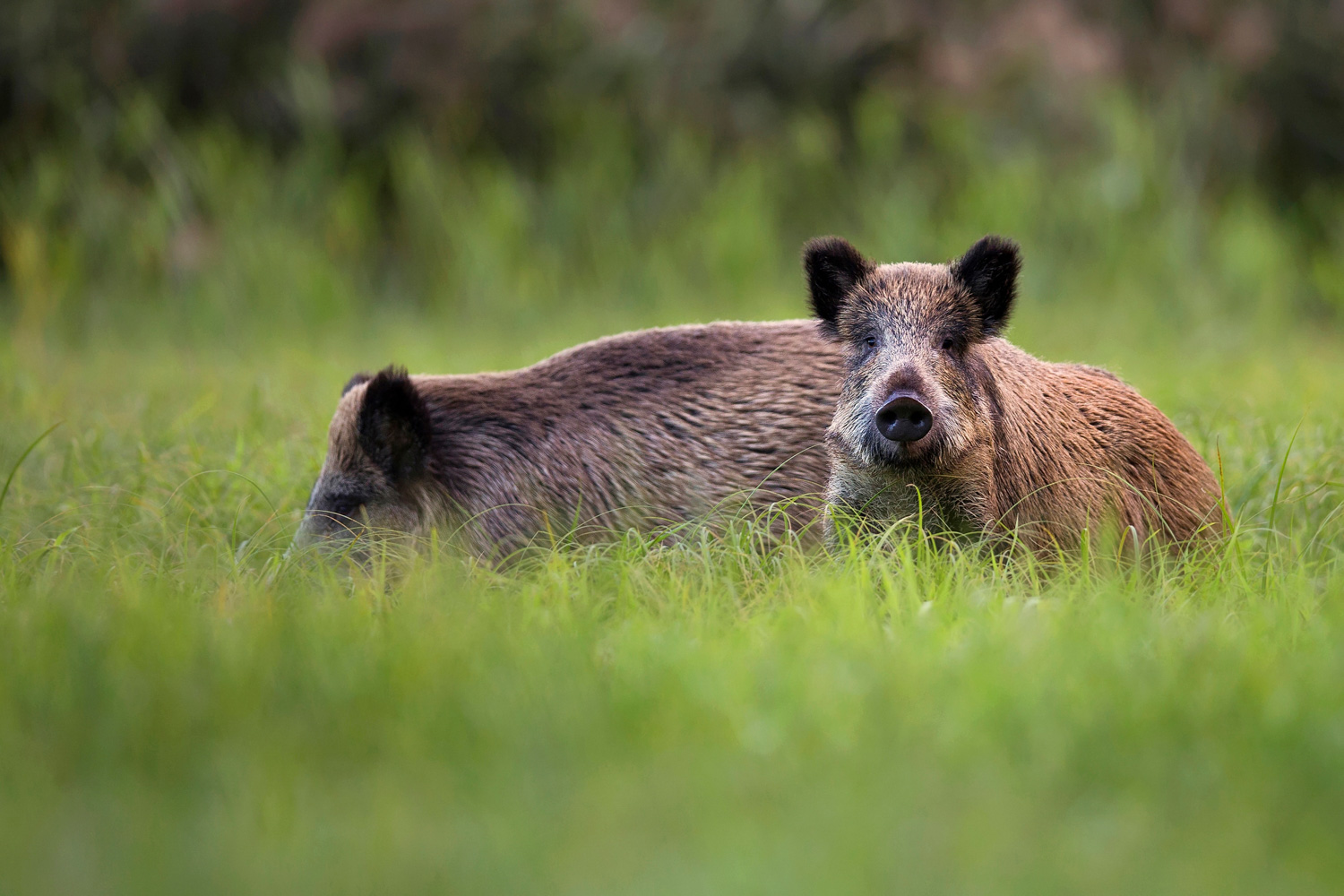
A group of wild boars emerges into the open grassland in the late afternoon - a time when the heat begins to ease and activity across the landscape starts to pick up.
As they move, a few individuals briefly lower their heads to sniff and root through the soil, using their strong snouts to search for food such as roots, insects, and fallen fruits. This behaviour doesn’t only help them feed but also contributes to turning over the soil, supporting nutrient cycling in the ecosystem.
The group moves with a loose but coordinated structure. Larger individuals set the pace, while younger boars stay close to the center, keeping up as the group pushes forward. Even while moving, they remain alert, balancing feeding with awareness of their surroundings.
Their quick movement across the open grassland can be explained by several factors. In exposed areas like this, visibility is high and cover is limited, so moving fast helps reduce vulnerability - especially for younger individuals. Staying close as a group also strengthens protection, allowing them to move as a unit and avoid separation.
In some cases, this burst of speed may be triggered by a disturbance, such as a sudden noise, human presence, or a potential predator. Wild boars are highly responsive, and when one reacts, the rest tend to follow immediately.
It may also simply reflect a natural shift in activity. Late afternoon is when many animals begin moving between resting and feeding areas, and this group could be relocating to a safer or more resource-rich spot before nightfall.
As the sun begins to dip and the heat of the day breaks, the grasslands play host to Vietnam’s most iconic bird - the Green Peafowl.
This camera reveals a specific ecological rhythm. Unlike other areas of the park, the tall grass sanctuary is most vibrant during the twilight hours of early morning and late afternoon.
Interestingly, CAM003 rarely records these species grazing at night. The data suggests they utilize this thick cover primarily during the day (especially around 7-8 AM and 5 PM), likely retreating into deeper forest cover once total darkness falls.
This open wetland margin becomes an active nocturnal gathering ground for ground-dwelling birds such as the lapwings.