Table of Content

Cat Tien National Park is one of the richest natural areas in Vietnam. It has very high biodiversity and is recognized by UNESCO as a World Biosphere Reserve (2001, 2011). The park is home to many rare and endangered animals listed in the Vietnam Red Data Book and the International Union for Conservation of Nature Red List.
However, illegal hunting, wildlife trade, and transportation still occur in nearby areas, putting many animal species at risk. As a result, some animals are rescued after being injured, trafficked, or kept in captivity and are no longer able to survive on their own in the wild.
To respond to these challenges, a Wildlife Rescue Center was established to provide medical care, rehabilitation, and, whenever possible, release animals safely back into their natural habitat.
The Wildlife Rescue Center is located inside Cat Tien National Park. It was established in 2005 and covers more than 66 hectares. The Centre has a Bear Rescue Area, and another area for other endangered wildlife species. The Center has different functional areas, including animal enclosures, a veterinary examination and treatment area, a quarantine area, and a semi-wild zone where animals can practice adapting before being released back into nature.
Since it opened, the center has rescued and released thousands of animals from over 40 different species. Most of these animals were victims of illegal hunting or lost their homes when forests were destroyed. The main goal of the center is to help these creatures recover so they can live safely in the wild again.
Every day, veterinarians and volunteers work hard to care for many animals. This includes nearly 50 primates, such as the rare Southern yellow-cheeked gibbon and the Black-shanked douc. In 2024, the centre strengthened its Cat Tien National Park wildlife rescue efforts by rescuing more than 190 individuals and successfully releasing over 180 animals back into their natural habitat.
The Cat Tien Wildlife Rescue Center is divided into different areas to make sure rescued animals receive proper care. Each area has a clear purpose, such as medical treatment, quarantine, long-term recovery, and training before release. All these sections work together to help animals heal, regain their natural skills, and safely return to the wild.
The Cat Tien Bear and Wildcat Rescue Station at Cat Tien National Park is a key place for protecting wildlife in southern Vietnam. Opened in 2008, this sanctuary covers about 10 hectares of forest. The center includes quarantine areas and training enclosures, as well as a 1-hectare semi-natural forest for bears.
Both Sun bear and Moon bear, along with wildcats, are rescued and cared for here. After treatment, they are moved to the semi-natural forest area, where they can continue their rehabilitation. This environment helps them practice natural behaviors and slowly rebuild their wild instincts before returning to the wild.
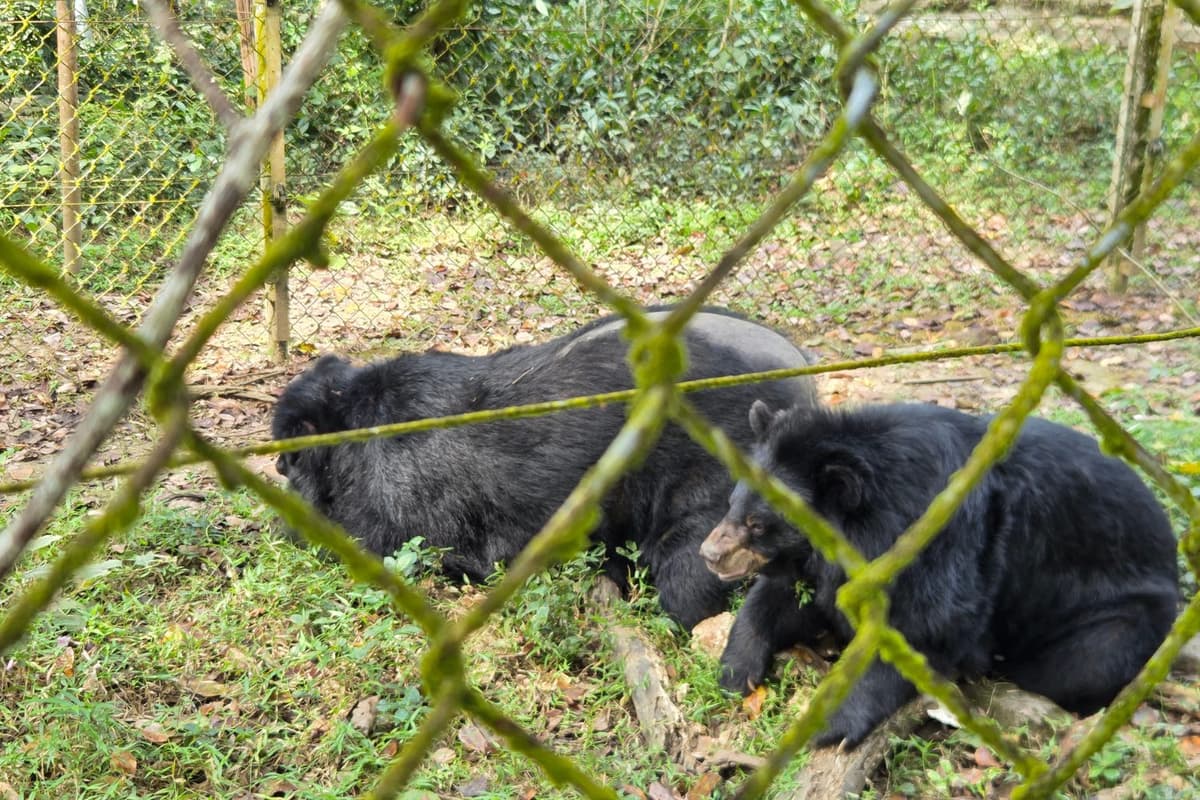
The bear in the semi-wild environment at the Cat Tien Rescue Center. Source: Tien Phong
As the bears grow stronger, they move into semi-wild forest areas. After years of captivity, they finally get to climb trees, forage for food, and rediscover their wild instincts. For some lucky and healthy bears, the ultimate goal is to return to the deep forest. Today, Cat Tien is a safe haven for about 45 sun bears and Asiatic black bears.
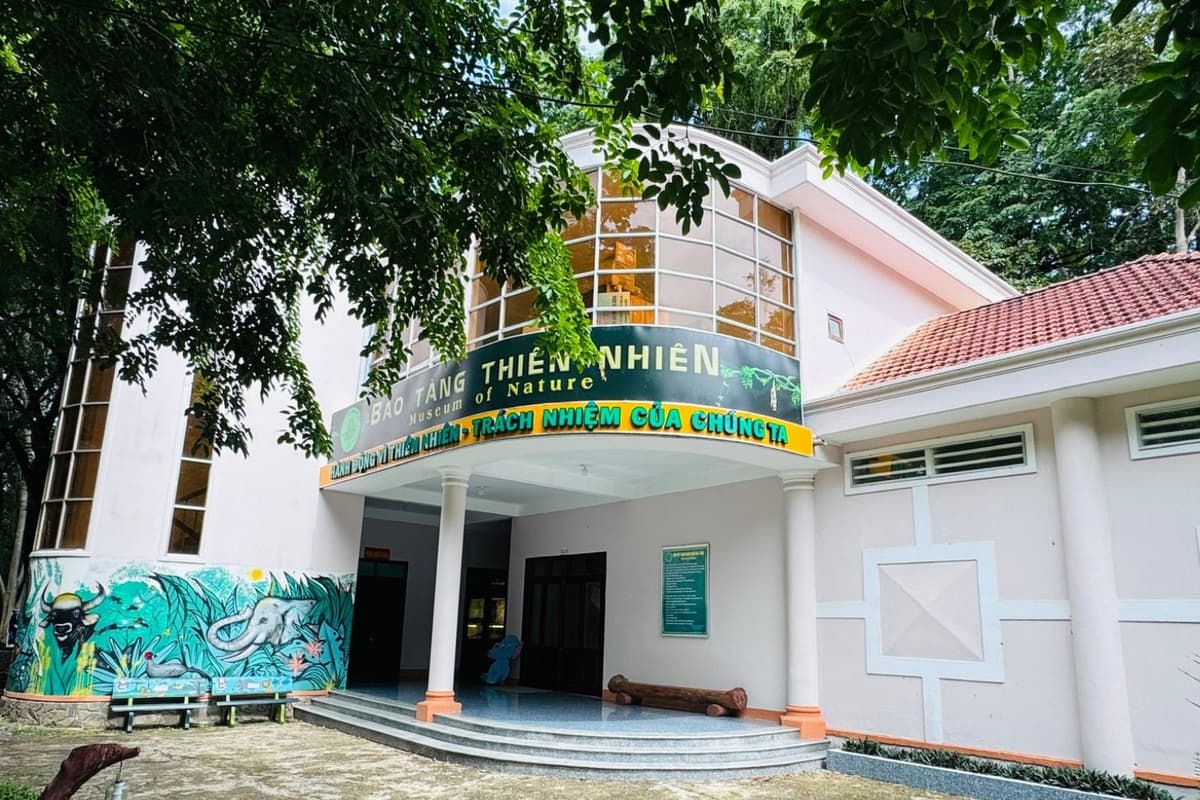
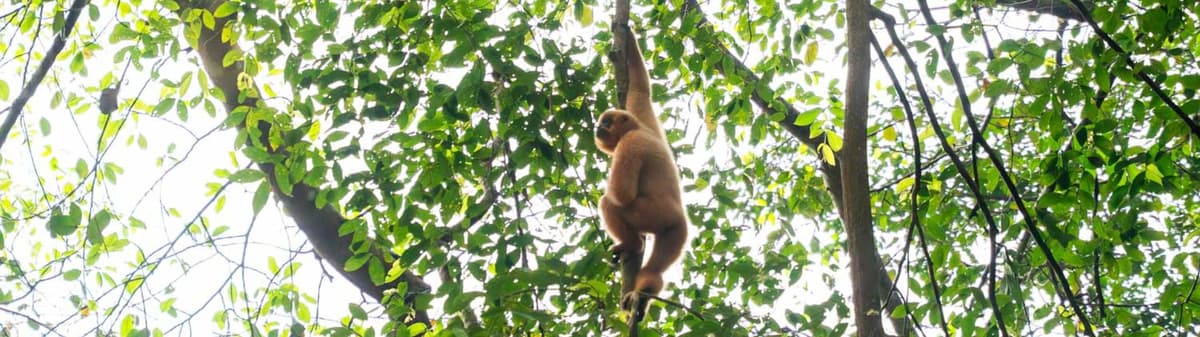
Located near the headquarters of Cat Tien National Park and close to the Cat Tien Nature Museum, this rescue station cares for many other rare and endangered animals. When you arrive, the first thing you may hear is the beautiful singing of the yellow-cheeked gibbons. Some gibbons, after adapting to a more natural life, can be seen climbing high trees in the park area. Their songs are a special sound of the forest.
The station focuses on species listed in Group IB - Endangered and Rare Forest Species, the highest level of wildlife protection under Vietnamese law. Many rescued animals were previously kept illegally, caught in traps, or injured due to human activities.
Among them are stump-tailed macaques and slow lorises, both primates listed in the Vietnam Red Data Book.
One of the most serious rescue cases involves the Javan pangolin. Some individuals arrived at the center in very poor condition. They had been caught in metal traps, with serious injuries such as broken or lost legs, deep wounds, and steel wires tightly wrapped around their necks. Some parts of their bodies were infected. Thanks to proper treatment and careful care, many pangolins recovered well. After a period of rehabilitation, healthy individuals were successfully released back into the forest.
The rescue center is also a place that cares for yellow-cheeked gibbons that were illegally kept as pets. Park staff look after them every day with great care. Thanks to this dedicated care, some gibbons have gradually regained their natural instincts and can move freely, swinging and jumping among the tall trees in the park grounds. Some young gibbons have even been born here, showing that they are adapting well to their environment.
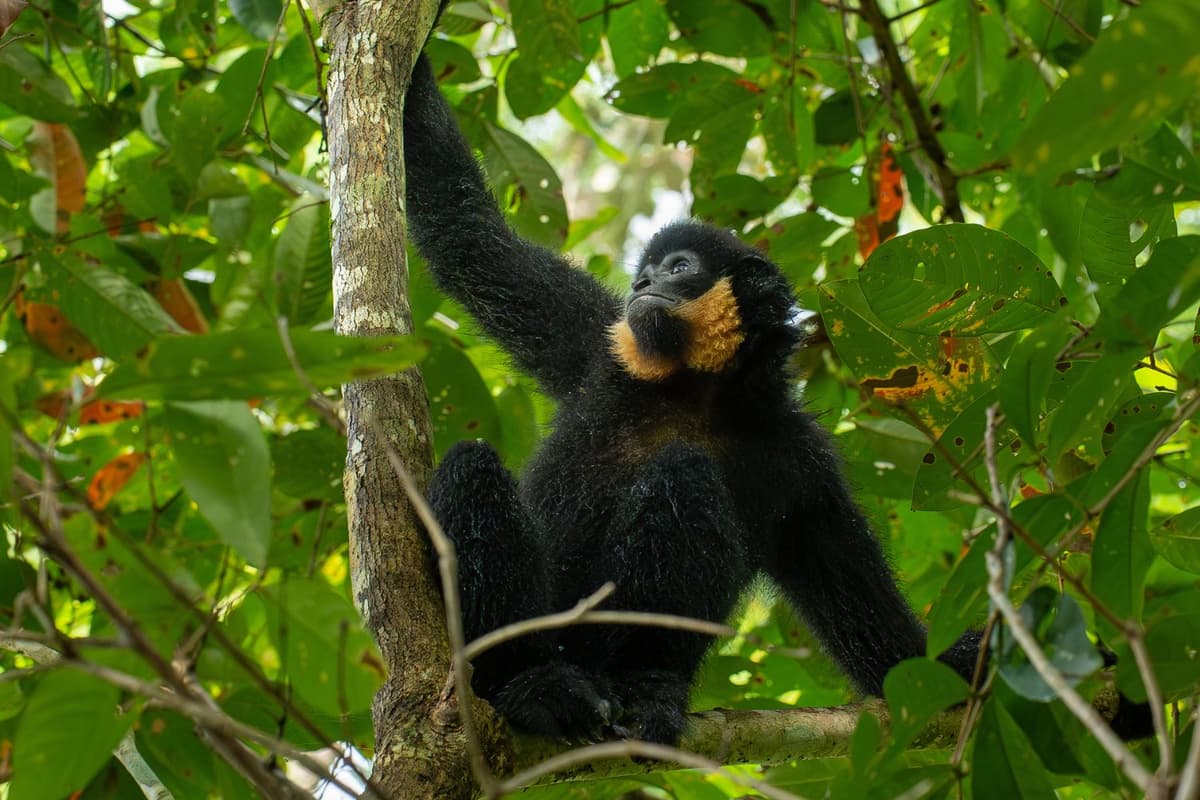
The yellow-cheeked gibbons at the rescue center have gradually adapted to the natural environment, climbing among the high tree canopies.
The rescue station also takes care of turtles and otters. There were cases where otters entered local houses to eat cat food. Residents contacted park rangers so the animals could be safely rescued and returned to a suitable habitat.
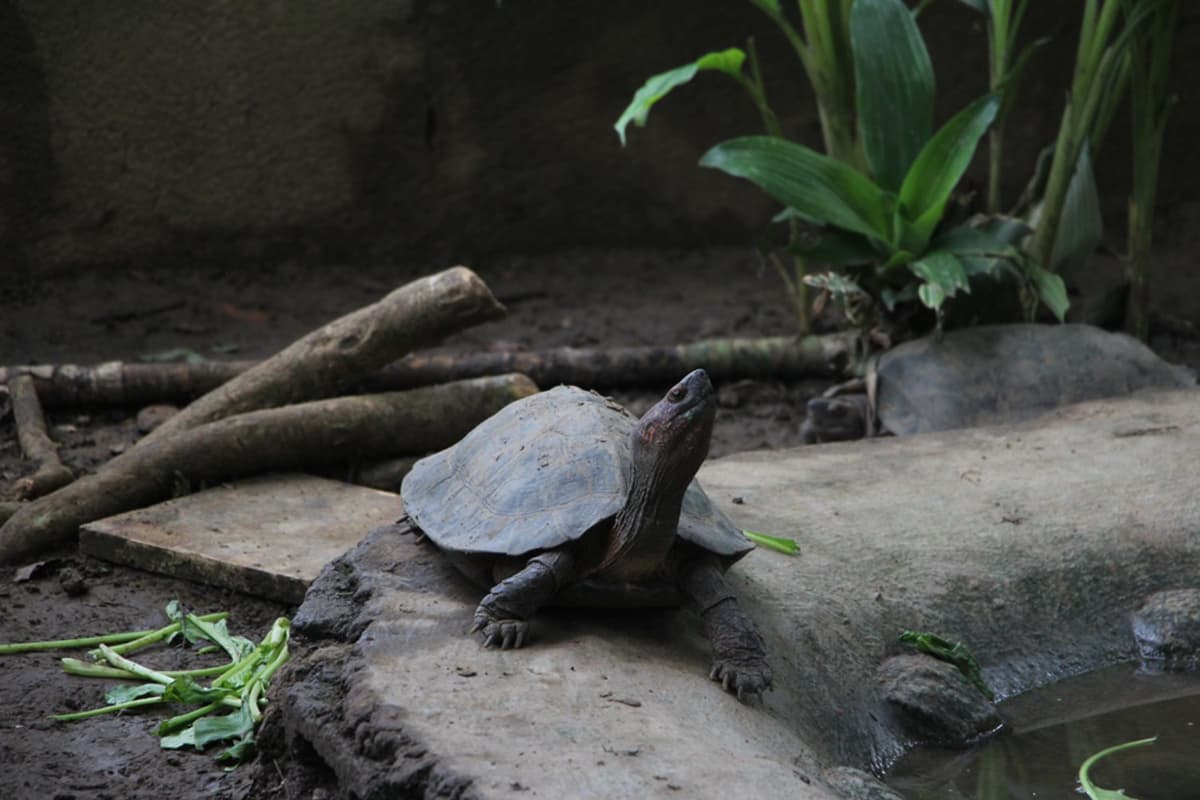
Turtles living at the Cat Tien Wildlife Rescue Center. Source: Tien Phong
Cat Tien National Park also successfully rescued a wildcat weighing nearly 3 kilograms. The animal was discovered by local people in Da Teh 3 Commune while they were working in their garden. After being reported, the wildcat was safely brought to the rescue center for health checks and monitoring.
The rescue center is also home to many rare animals such as reticulated pythons, Indian peafowl, pheasants, and spotted deer, all of which are valuable and important species for conservation.
After being rescued and treated, the animals stay at the Center until they fully recover their health and regain their natural instincts. Only when they are strong enough to survive on their own are they considered ready to return to the forest. Each release is carefully planned to give the animal the best possible chance of survival.
Before going back to the wild, some animals are fitted with a small microchip or a radio collar. These devices help the staff track their movements after release. By following the signals, the team can see where the animal goes, how it behaves, whether it can find food, avoid danger, and slowly adapt to life in nature again.
This monitoring process is very important. It helps the Center understand if the animal is truly ready for the wild and ensures that the release is not only successful in the short term, but also sustainable in the long run.
The Wildlife Rescue Center, including the The Cat Tien Bear Sanctuary and other endangered species areas, are located near the park headquarters in Nam Cat Tien Commune, Dong Nai Province.
- By private car: If you travel from Ho Chi Minh City by private car, you can follow National Highway 20 to Tan Phu (at Tai Lai T-junction). From there, turn left and continue to Kilometer 13, then turn right and drive straight to Nam Cat Tien Commune. Travel time is about 3 hours and 30 minutes, depending on traffic conditions.
- By Bus: If you prefer public transport, you can go to Mien Dong Bus Station in Ho Chi Minh City and take a bus on the route from Mien Dong Bus Station to Nam Cat Tien Bus Station. Another option is to take a bus to Tan Phu first, then rent a motorbike or take a local vehicle to Nam Cat Tien Commune.
To visit the Wildlife Rescue Center at Cat Tien National Park, visitors must first purchase an entrance ticket to the park. Tickets can be bought at the ticket counter near the main gate. You can also purchase tickets for the Wildlife Rescue Center and the Nature Museum at the same location. The park entrance ticket includes one round-trip ferry transfer to enter and exit the park. Other services are not included.
The Cat Tien National Park entrance fees:
The Cat Tien Wildlife Rescue Center & Nature Museum ticket:
During your visit, please do not feed the animals. Feeding can affect their health and natural behavior. Visitors should also avoid making loud noises or using flash photography, as this may stress the animals. By respecting this code of conduct for wildlife viewing, you help protect endangered species and support long-term conservation efforts.
Since your ticket to the Wildlife Rescue Center already includes entry to the Nature Museum, it is a good idea to visit the museum on the same day. The museum helps you better understand the park’s biodiversity before or after exploring the rescue center.
Below are some recommended activities to make your trip more complete:
- Night safari tour in Cat Tien National Park: This special tour allows visitors to observe wild animals at night by using an open-roof specialized vehicle. It is a unique chance to see deer, wild boars, and other nocturnal animals in their natural habitat.
- Bau Sau (Crocodile Lake) trekking Tour: Bau Sau is a famous wetland area located about 14 km from the park center. The first 9 km can be traveled by car or bicycle, while the remaining 5 km is a forest trail that must be explored on foot. The lake is famous for its rich ecosystem, where you may see water birds, monkeys, deer, and other wildlife. Sunrise and sunset here are especially peaceful and beautiful.
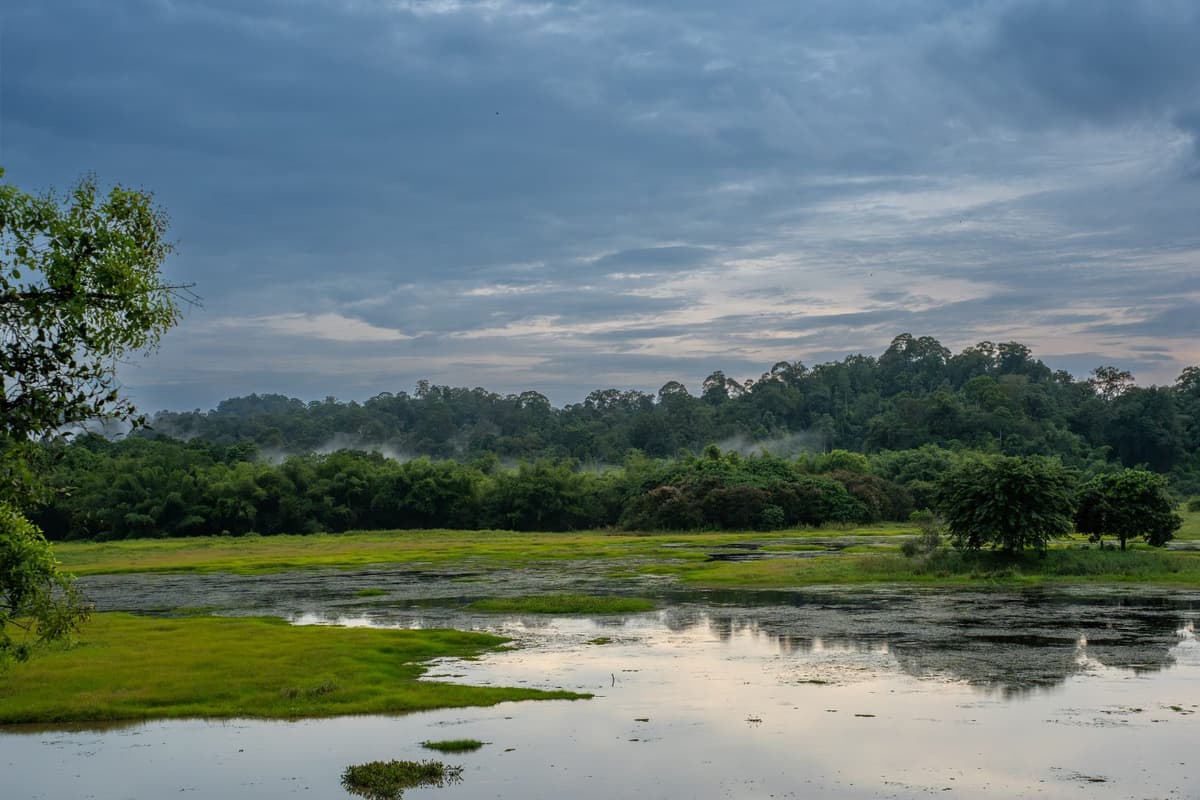
The natural landscape of Bau Sau (Crocodile Lake).
- Cycling around the Cat Tien National Park: Visitors can rent bicycles at the park’s management office after crossing the ferry. Cycling is a relaxing and eco-friendly way to explore ancient trees and forest trails.
- Camping at Cat Tien National Park: Visitors can set up tents under the forest canopy and enjoy a peaceful atmosphere. During the day, you can relax on the grass, listen to birds singing, and feel the fresh forest breeze. At night, the forest becomes lively with the sounds of insects and frogs.
- Tropical forest routes: There are different forest routes depending on your time and interest. Some shorter routes, such as the ancient Tung tree, Go tree, and Ben Cu Rapids trail, are about 3 km long and take around 1 hour. Longer routes, such as the 16 km trail to the Giant Banyan Lake, take about 3.5 hours.
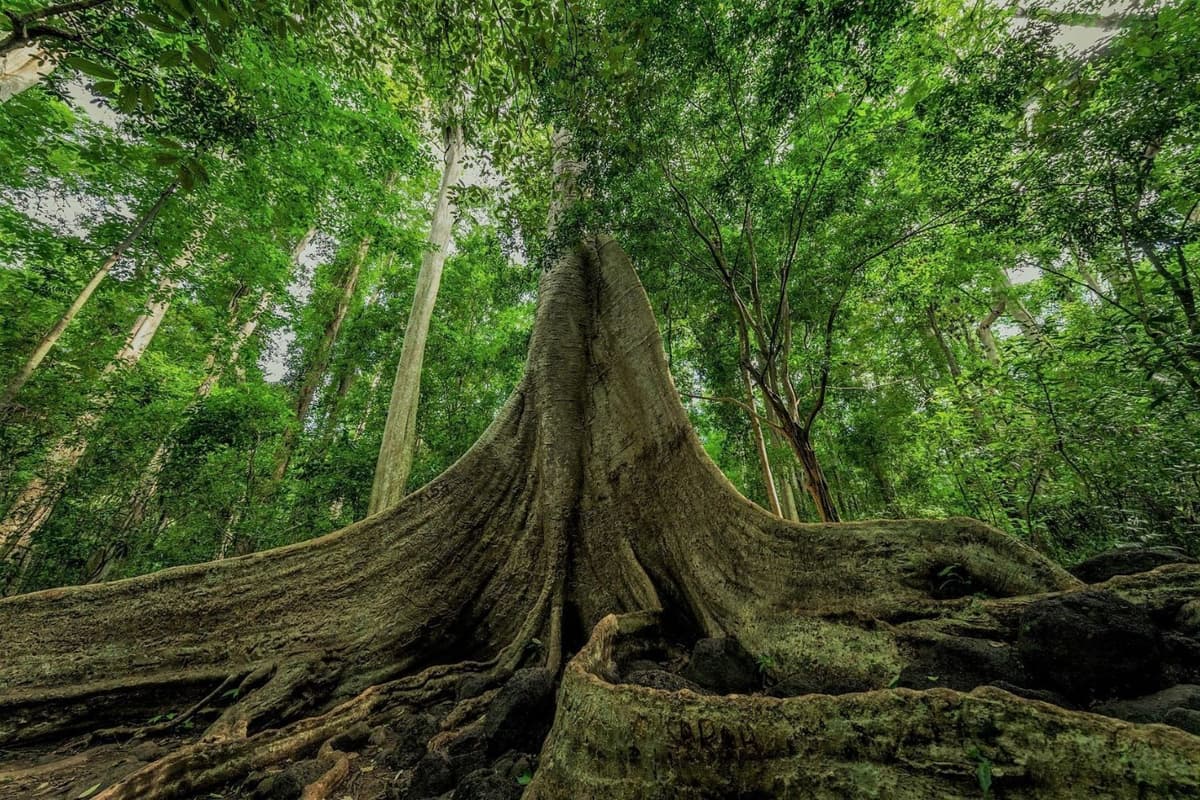
You can trek to the ancient Tung tree to witness its massive size. Soure: The Cat Tien National Park
- Ma ethnic village and Ta Lai rice fields: The Ma ethnic village and Ta Lai rice fields tour is a 12 km route that takes about 2.5 hours to complete. During the visit, travelers can explore the lifestyle, customs, and traditions of the Ma and S’tieng ethnic groups.
The Wildlife Rescue Center plays a vital role in rescuing, rehabilitating, and protecting endangered species in Vietnam. Many animals arrive injured or weak due to illegal hunting and wildlife trade. With professional care, they are treated, regain their natural instincts, and, when possible, are released back into the wild to support ecosystem recovery and reduce extinction risks.
The Center is also an important place for education and awareness. Visitors can learn real conservation stories, while students gain practical knowledge through direct observation. Internship and volunteer programs further encourage young people to engage in wildlife protection.
In addition, the Center helps preserve valuable genetic resources through rescue and semi-wild breeding programs for species such as pangolins, lorises, langurs, and gibbons. It also collects scientific data and cooperates with national and international partners, including initiatives related to the International Union for Conservation of Nature Red List and species recovery programs like the Siamese crocodile and the Sunda pangolin.
More than a treatment facility, the Center is a safe haven where endangered wildlife can heal and prepare for a second chance in nature.