Table of Content
Stories & Updates From THE WILD WORLD

Birds are among the most adaptable creatures on Earth, thriving in environments as diverse as tropical rainforests, deserts, wetlands, grasslands, and even bustling cities. This remarkable versatility means every birdwatching experience is unique, with each habitat offering its own distinct mix of species and behaviors.
Wetlands, for example, provide ideal conditions for wading birds, thanks to their shallow waters with abundant fish and aquatic insects. Grasslands, with their open terrain, are well suited for ground-nesting birds. But tropical forests, especially lowland rainforests, stand out as the richest ecosystems of all - hosting the highest diversity of birdlife anywhere on the planet.
At Cat Tien National Park, you’ll find one of the largest remaining areas of lowland tropical forest in Vietnam. Located about 150 km north of Ho Chi Minh City and covering roughly 72,000 hectares, the park is home to an impressive diversity of birdlife and is widely regarded as one of Vietnam’s top birding destinations. With its mix of forest trails, wetlands, and open habitats, Cat Tien also offers excellent opportunities for wildlife and bird photography, where patient observers are often rewarded with intimate glimpses of various rare and iconic birds in their natural environment.
In this article, we’ll highlight some of the best birdwatching spots in Cat Tien National Park, along with practical tips on when to go and what to look out for. Whether you’re hoping to catch a glimpse of rare Vietnamese birds or simply enjoy the rhythm of Vietnam’s wildlife, this guide will help you make the most of your visit!
At Cat Tien National Park lies one of the largest remaining stretches of lowland tropical forest in Vietnam. The park encompasses a diverse range of habitats. Some of which are primary and secondary evergreen and semi-evergreen forests, freshwater wetlands with open lakes, seasonally flooded grasslands, areas dominated by bamboo and other secondary vegetation.
With more than 350 bird species recorded, Cat Tien National Park offers a chance to see iconic, rare, and endangered birds native to Vietnam and Southeast Asia. Some of the most sought after species include the Germain’s Peacock-Pheasant, Siamese Firebacks, Orange-necked Partridge, Pittas, Kingfishers, and Broadbills.
But birdlife is part of the story. The Park is also home to more than 1700 animal species and over 1600 plant species, many of which are endemic and are listed in the Red Data Book. Notable wildlife include Yellow-cheeked gibbons, gaur, muntjac deer, and sun bears.
Protected by dedicated Vietnamese forest rangers, the park plays a vital role in conservation, managing threats like poaching and forest fires. By visiting Cat Tien, you’re not just observing wildlife - you’re also supporting efforts to preserve it.
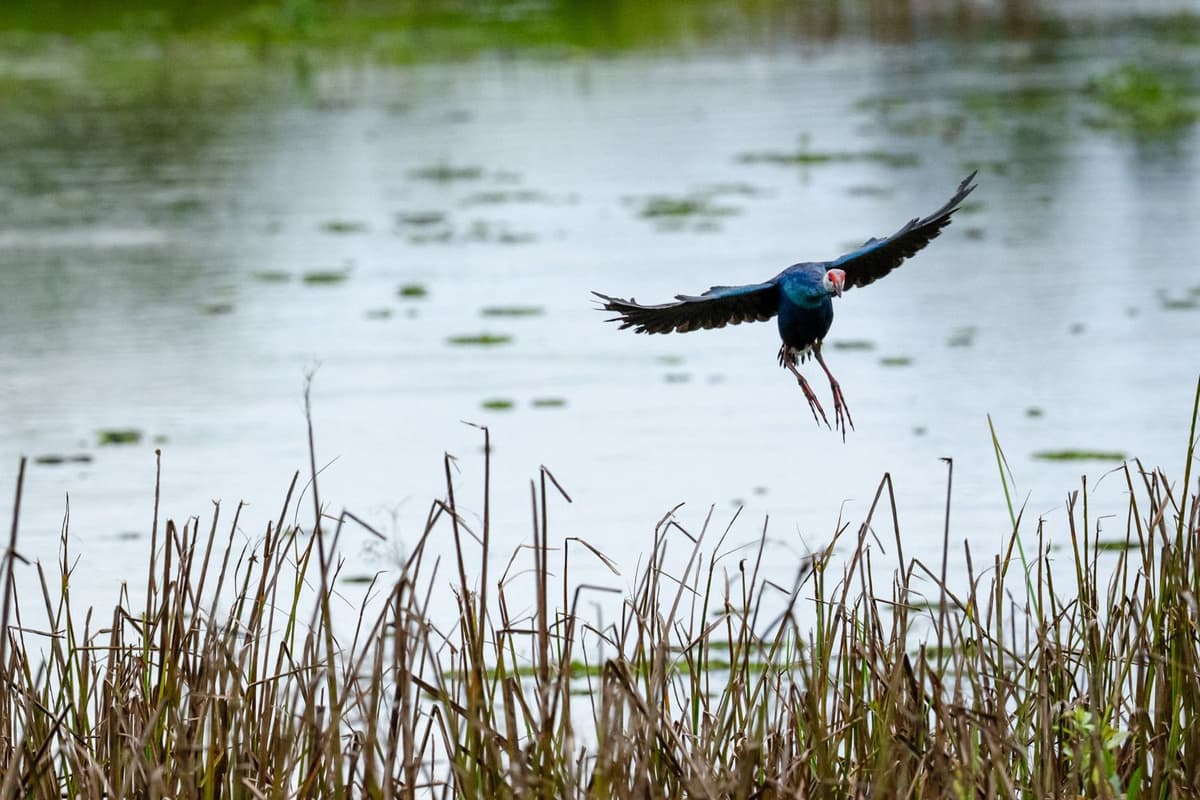
The Grey-headed Swamphen is a large and vibrant waterbird often found at Crocodile Lake in Cat Tien National Park.
Cat Tien National Park is relatively easy to get to, located 150 km from Ho Chi Minh City and 175 km from Da Lat. Whether you’re re traveling by car, motorbike or bus, there are several convenient options.
1. From Ho Chi Minh City
*Tip: Search for Cat Tien National Park Ferry Terminal on your maps to avoid heading to the wrong location.
2. From other locations
From nearby cities like Bien Hoa, Vung Tau, or Da Lat, you can travel by car, motorbike, or intercity bus. Common operators include:
Most buses stop at Tan Phu Bus Station, where you’ll need to continue by taxi. Some routes, such as Duc Loc buses from Da Lat, may go directly to the park entrance.
The entrance fee is currently 60,000 VND per adult, with discounts available:
Additional costs include:
There are several accommodation options both near the park entrance and inside the forest.
Visitors can either rent tents or bring their own and reserve designated camping areas within the forest. For groups planning a picnic or outing, additional services can be arranged through the park management, including campfires, event setup, and access to meeting spaces.
Cat Tien has a tropical monsoon climate with two main seasons:
Overall, the best time for birdwatching in Cat Tien is from November to April, when rainfall is lower and migratory species are present, making bird watching activity more rewarding.
Cat Tien National Park is packed with great birding locations, and the best part is that each spot offers something a little different depending on the habitat and time of day.
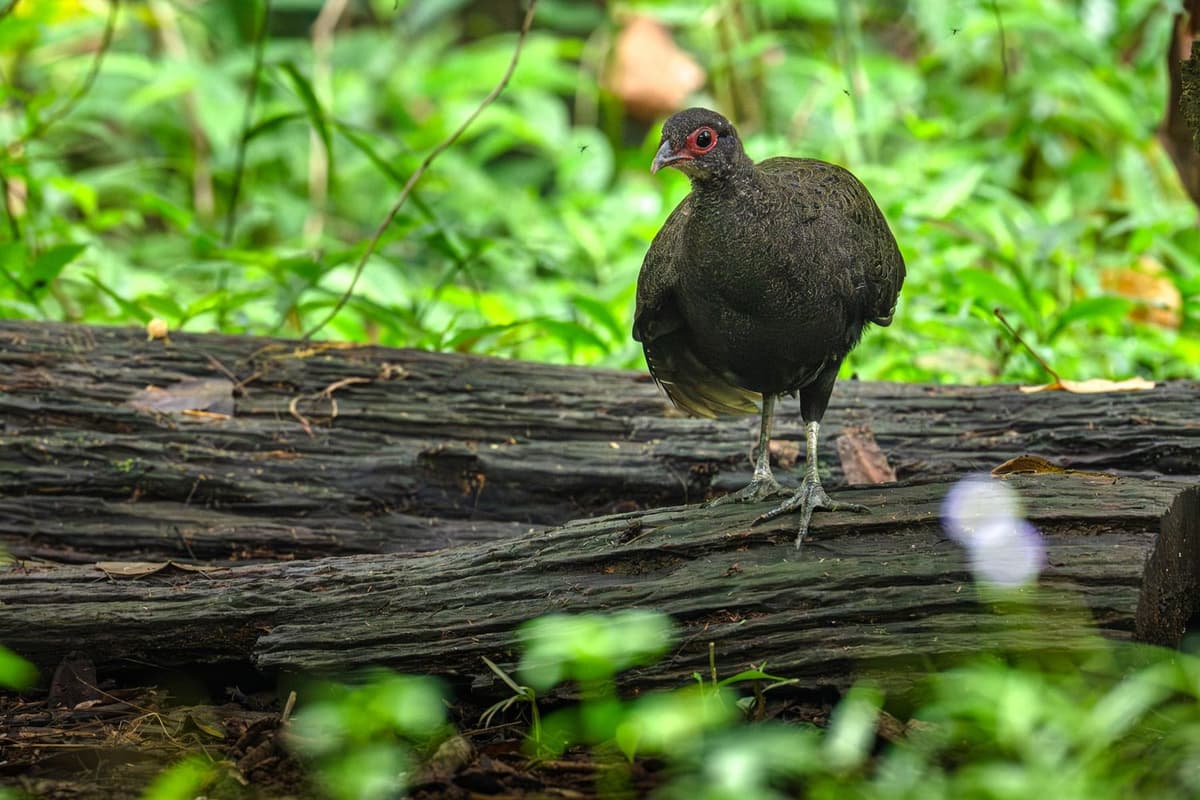
A female Germain’s Peacock-Pheasant at Cat Tien National Park.
These are some of the best places for close-up views and photography. Early morning is usually the most active time, when species like Germain’s Peacock-Pheasant, Siamese Fireback, and various pittas come in to feed. Staying quiet and patient here really pays off.
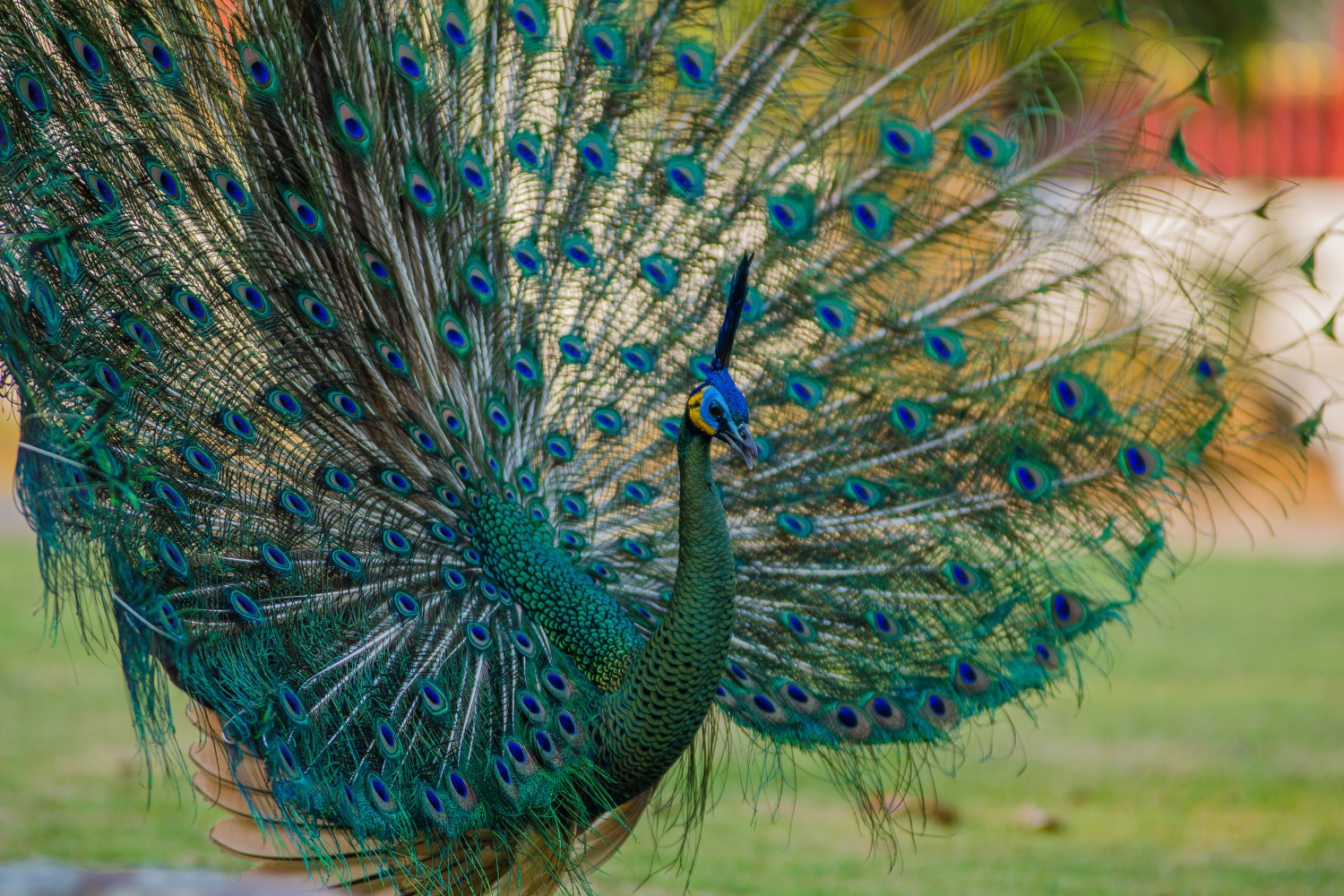
A Green Peafowl spotted at Cat Tien National Park.
The area around the Park’s headquarter, including the Lagerstroemia and Ecological Trails, is one of the easiest and most productive places to start. The forest here is relatively accessible, making it great for spotting pittas, babblers and Germain’s Peacock-Pheasants. It’s also a good spot for beginners, as you don’t have to go too far to see a good variety of birds.
This is a quieter, more scenic area that’s especially good for woodpeckers like the Pale-headed and Black-and-buff Woodpeckers. You’ll also find barbets and other canopy species here. Try scanning tree trunks and listening for tapping sounds - it often leads you straight to them.
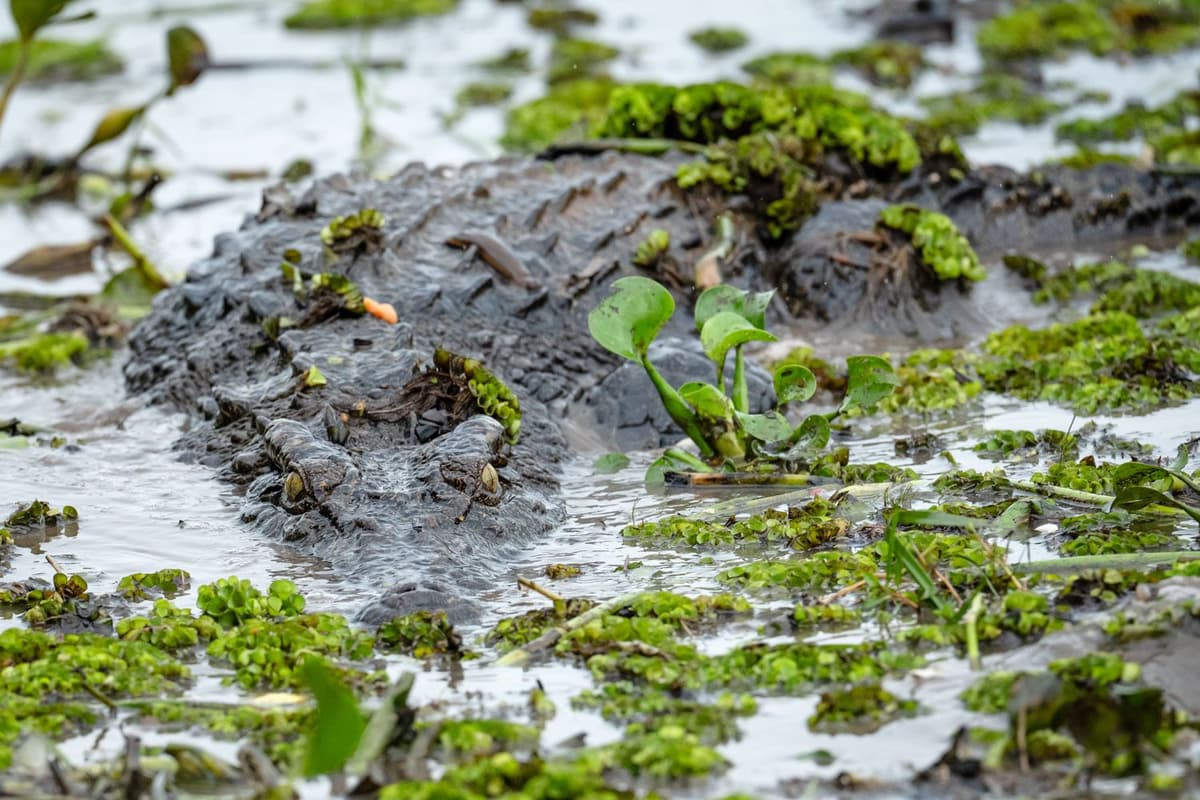
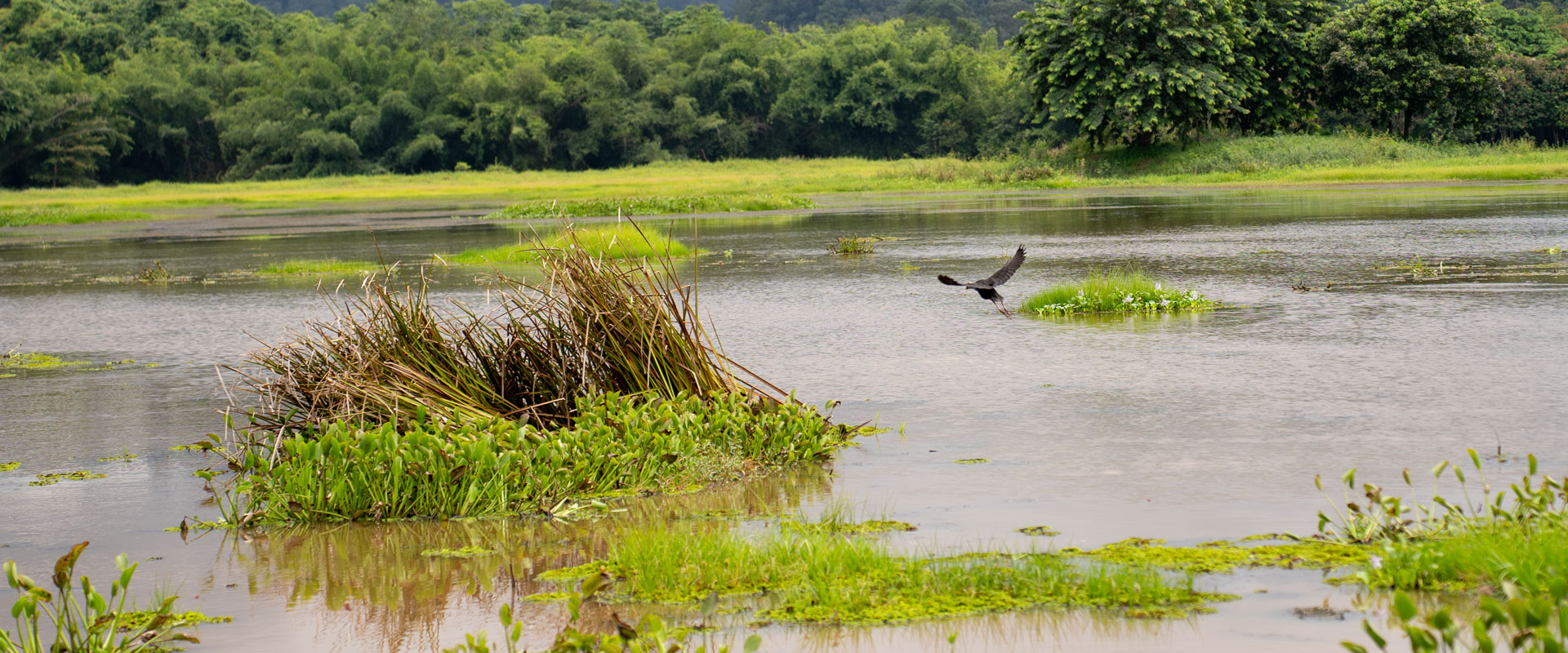
Waterbirds and cleaner birds are often seen at Crocodile Lake, taking advantage of feeding opportunities around these ancient predators.
One of the most rewarding birding spots in the park, especially for waterbirds. The trek takes a bit of effort, but it’s worth it. Along the way and around the lake, you might spot species like the Lesser Adjutant, Woolly-necked Stork, and White-bellied Sea Eagle. Early morning and late afternoon are the best times, when birds are more active and the lighting is better for photography.
For a more relaxed birding experience, this road is an excellent choice. Early mornings are especially rewarding, with high bird activity and minimal traffic. Species such as broadbills, Siamese Firebacks, and other forest-edge birds are commonly seen here, and you can explore a good stretch without heading too far into the forest.
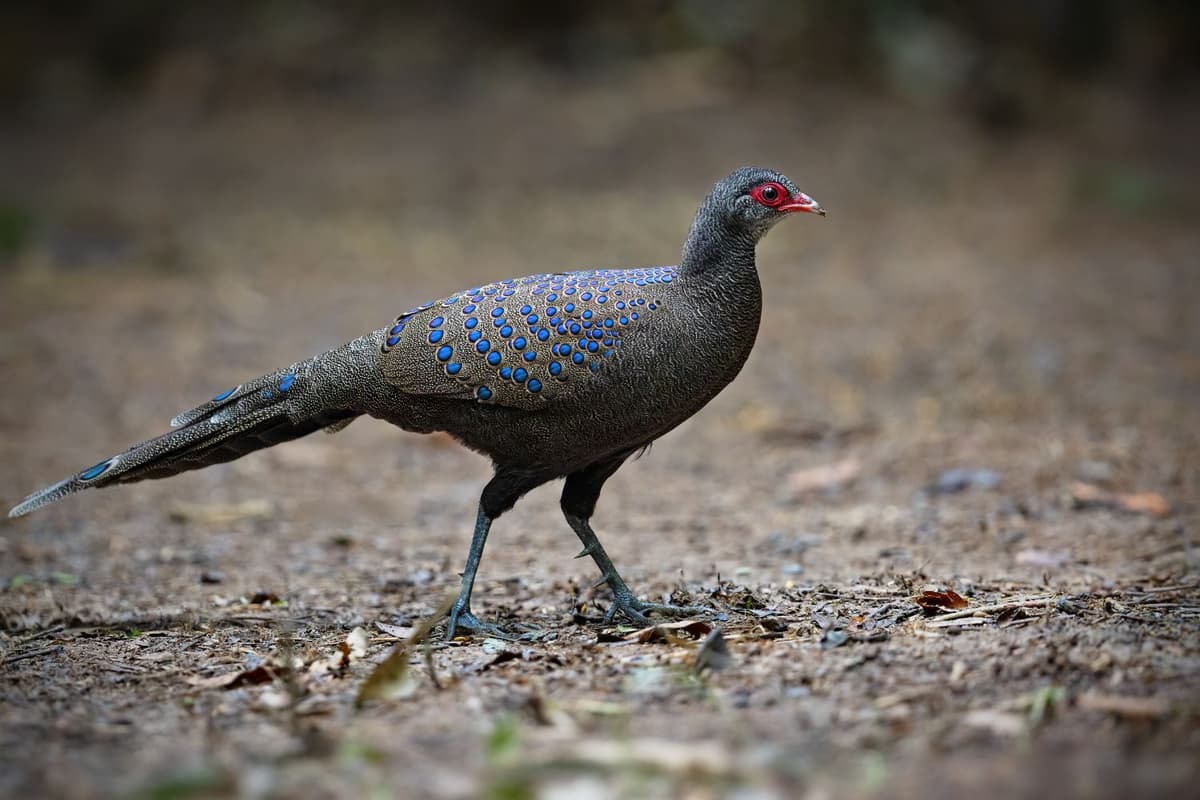
A male Germain’s Peacock-Pheasant in Cat Tien National Park.
The Germain’s Peacock-Pheasant is often considered the signature bird of Cat Tien National Park. Endemic to southern Vietnam, this shy, ground-dwelling species is found nowhere else in the world. It prefers dense lowland forests and is most active in the early morning, when it may quietly emerge to forage - sometimes even near bird hides.
Males are especially striking, with dark brown plumage covered in fine speckling and shimmering green “eye-spots” on their wings and tail. They also feature bright red facial skin, which stands out against the forest floor. Females are slightly smaller, with shorter tails and more subtle markings like reduced eye-spots.
Despite their beauty, Germain’s Peacock-Pheasants are notoriously elusive. Their soft, whirring chuckles and gentle clucks are often heard before they are seen - making any sighting in the wild a truly special moment.
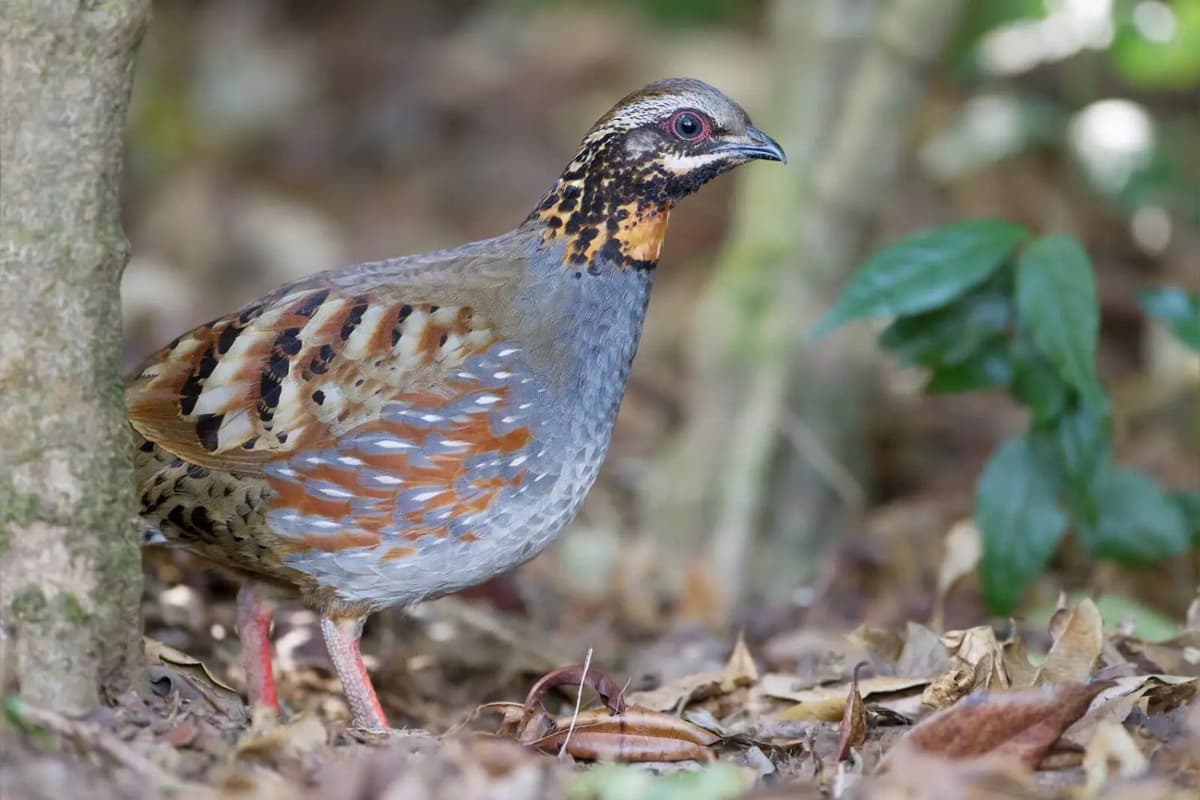
Orange-necked Partridges prefer dense forest and move with great caution.
True to its name, this species features a vivid orange collar that stands out against its otherwise earthy, well-camouflaged body. Adults are unmistakable, with black lores and an eye-stripe that extends along the sides of the neck and throat, forming a dark band.
Orange-necked Partridge spends most of its time quietly foraging along the forest floor, typically in pairs or small groups. Preferring dense forest and moving with great caution, it is often heard before it’s seen - its soft calls echoing through the undergrowth at dawn or dusk. Even experienced birders can miss it, so simply hearing it is already a rewarding encounter.
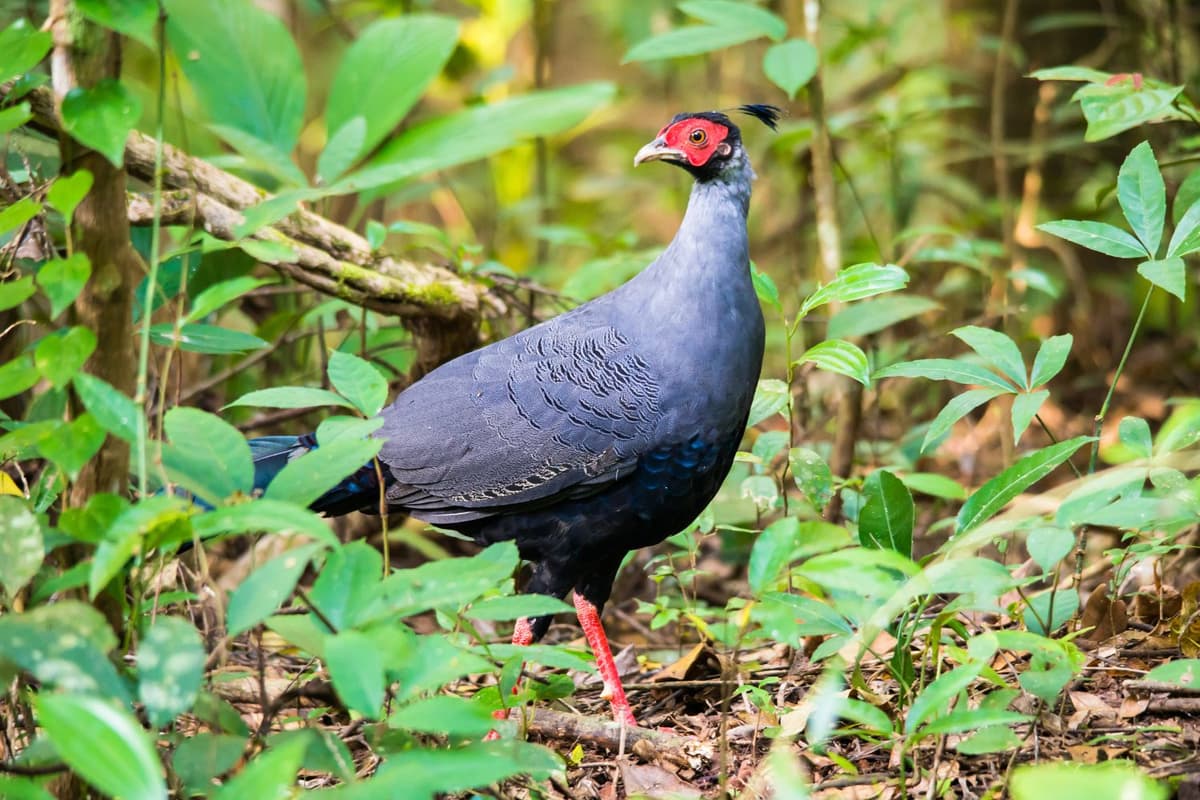
Siamese Firebacks are most active in the early morning and late afternoon.
Compared to other forest pheasants, Siamese Firebacks are a bit easier to spot. They’re most active in the early morning and late afternoon, often appearing along trails or open clearings. Males are especially eye-catching, with glossy dark plumage, a bright red face, and long, elegant tail feathers. Compared to other ground birds in Cat Tien, Siamese Firebacks are less shy - so with a bit of patience, you’ll likely get a good view.
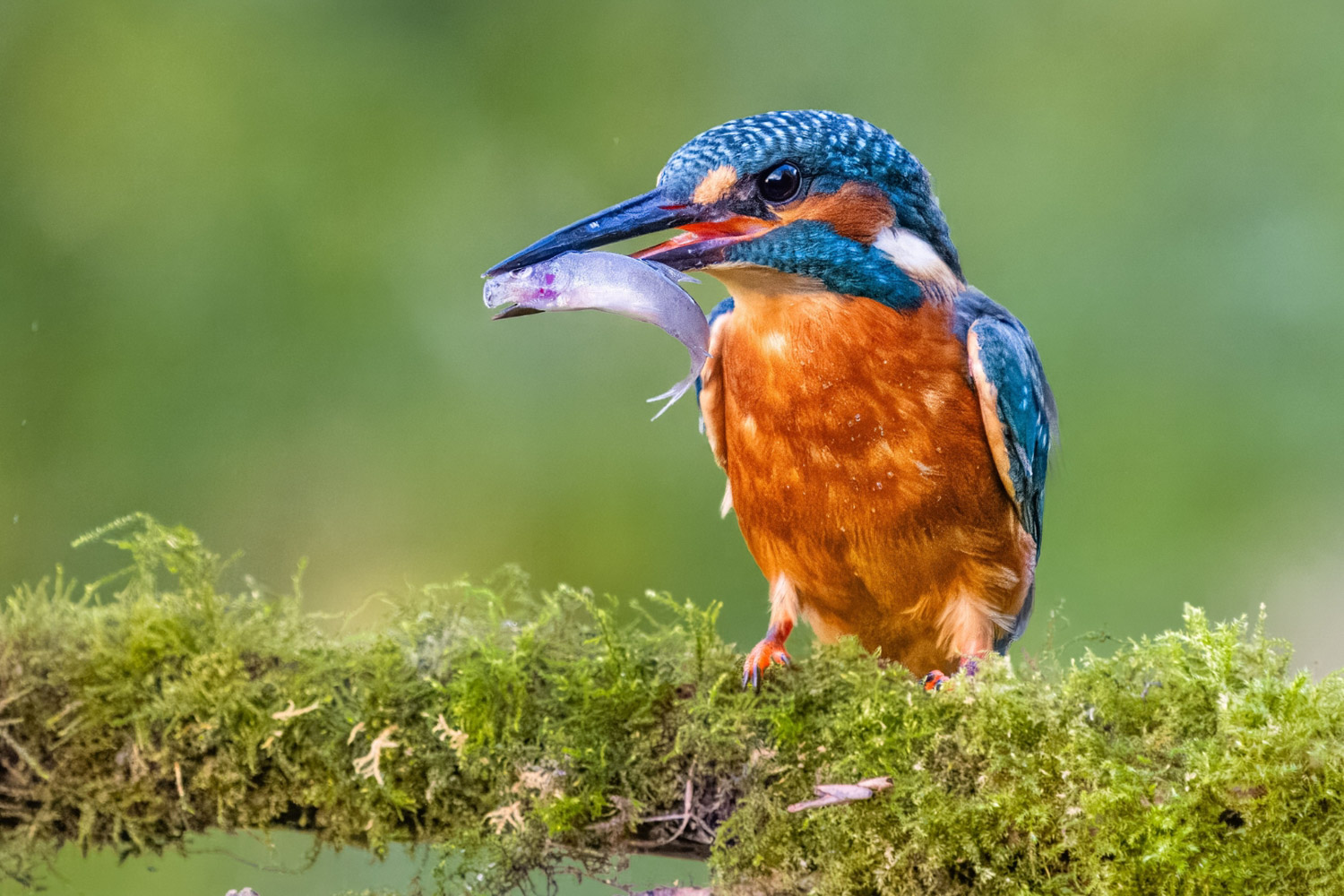
There are different kinds of kingfishers at Cat Tien National Park.
Bright, fast, and full of personality, kingfishers are a joy to watch around rivers and wetlands. Having been given an incredible vision, they’re able to judge depth accurately through water. This in turn makes their dives impressively precise. In Cat Tien, you might come across different species of kingfishers like the Banded, Stork-billed, and White-throated Kingfishers.
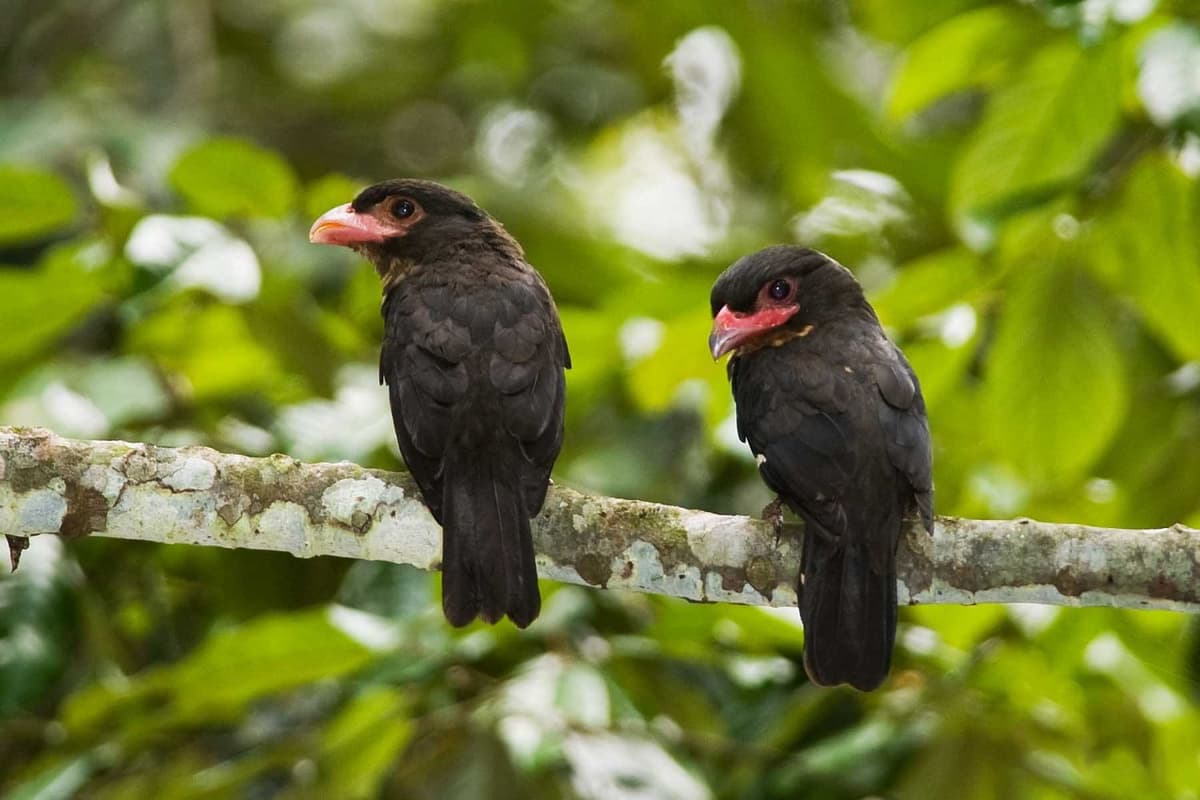
Dusky broadbills in Cat Tien National Park.
Broadbills are unique-looking birds with oversized heads, wide flattened bills, and often bright, contrasting colors. They usually perch quietly in the mid to upper canopy, which makes them tricky to spot despite their calls. They’re very vocal, producing whistles, croaks, or even mechanical-sounding wing noises. In Cat Tien, listening carefully can be just as important as looking up.
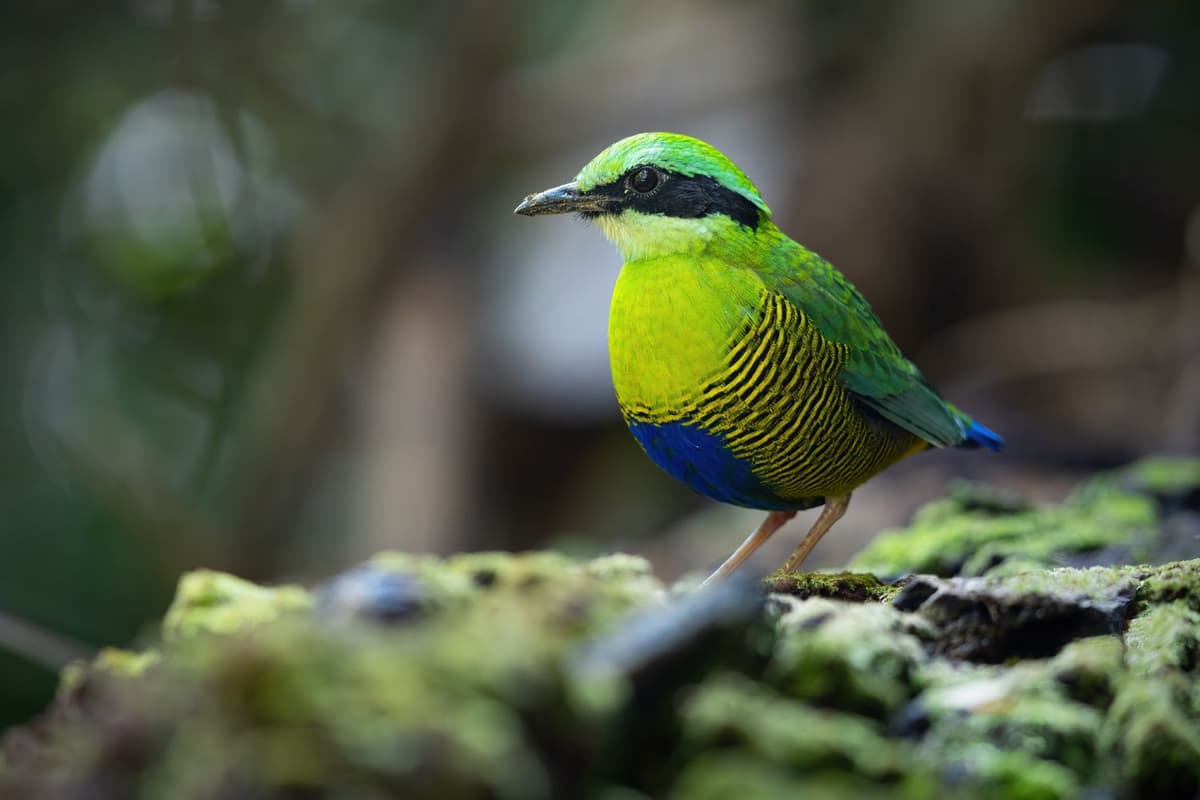
Bar-bellied Pittas can be found around Cat Tien’s Headquarter or along the trail to Crocodile Lake.
Often called the “jewel of the jungle,” this vividly colored bird is a favorite among birders. It inhabits dense undergrowth, especially near streams, shaded trails, and damp forest floors. Despite Bar-bellied Pittas's bright colors, it can be surprisingly hard to see as it hops quickly through leaf litter. Early mornings around the Park’s headquarter or along the trail to Crocodile Lake (Bau Sau) offer some of the best chances for sightings.
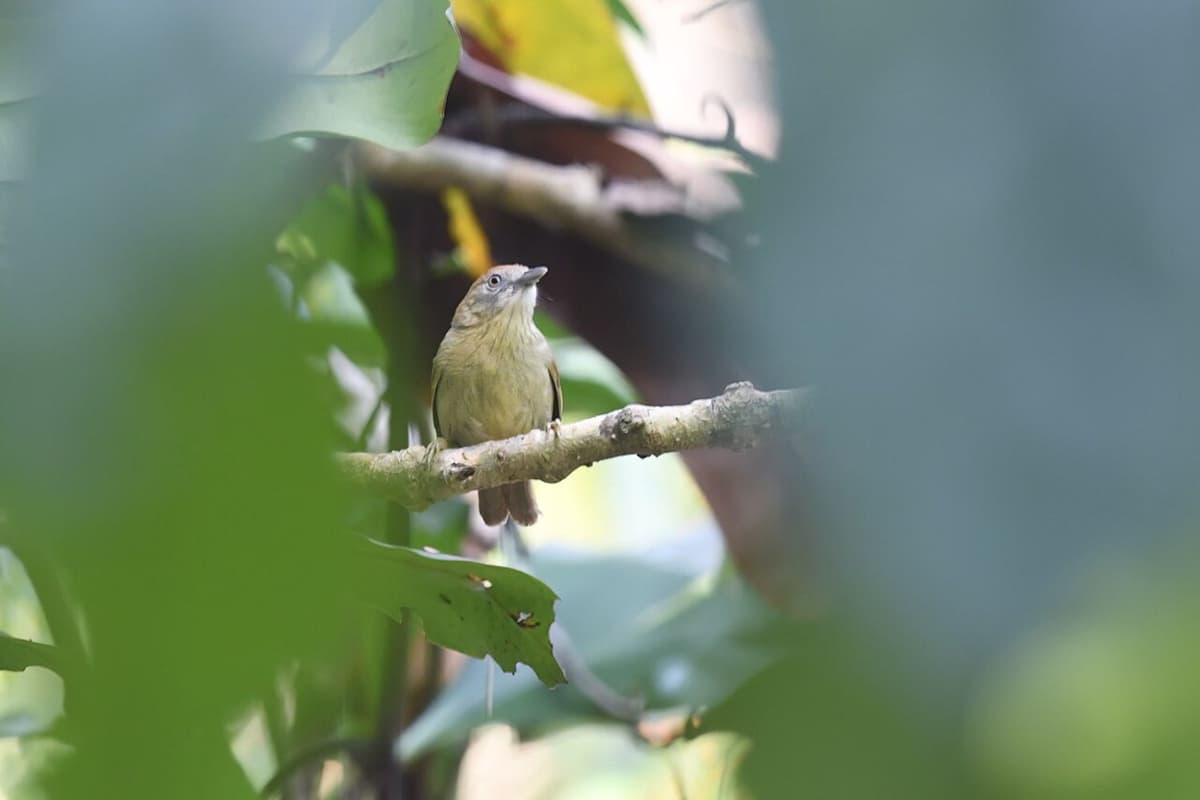
Grey-faced Tit-bablers can be a little difficult to capture at Cat Tien due to their energetic nature.
These small, energetic birds are almost always on the move. Traveling in lively groups, they flit through leaves and branches while constantly chattering to one another. Despite being fairly common, they can be surprisingly difficult to photograph, as they rarely stay still for long.
They are often detected by their calls - a repetitive, high-pitched series of notes, typically sounding like “choink, choink, choink,” echoing through the foliage.
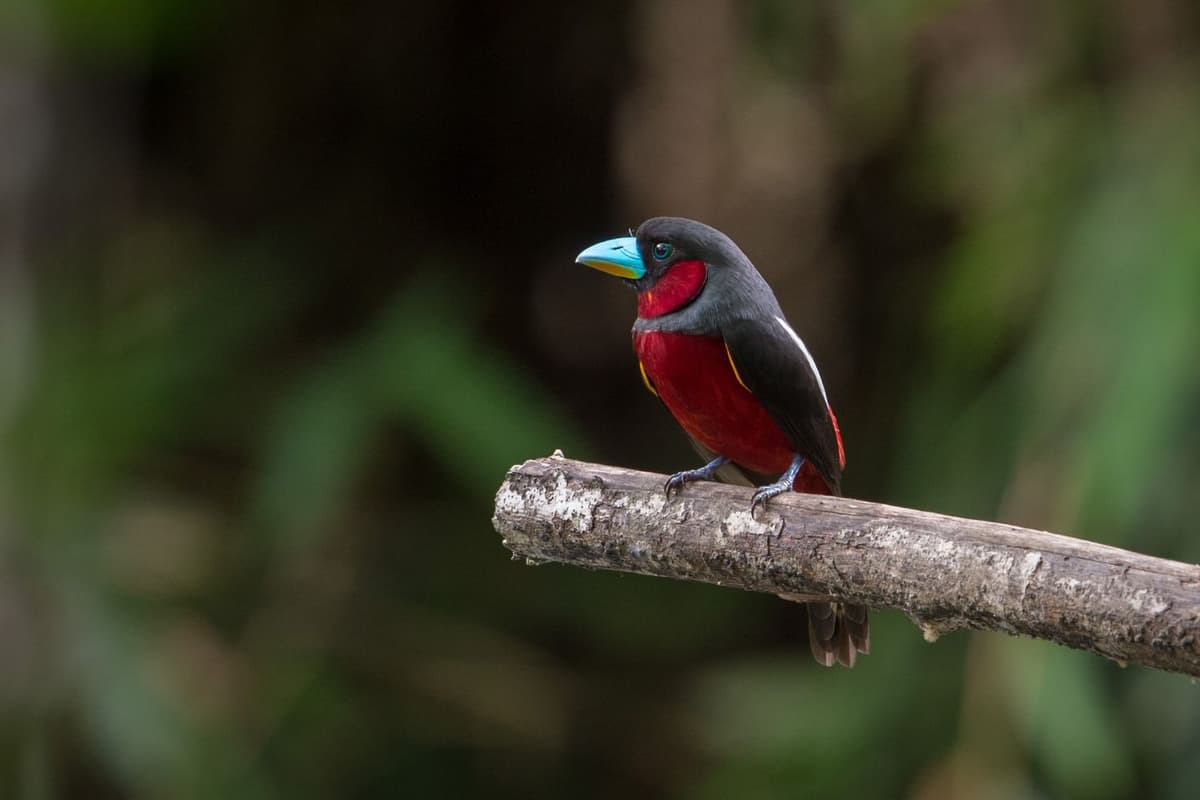
A Black-and-red Broadbill at Cat Tien National Park.
One of the most striking birds in Cat Tien, this species stands out with its bold black body, deep red underparts, and bright turquoise-blue bill. It’s typically found near rivers and forest streams, especially in quieter, less disturbed areas. Despite its vivid colors, it can be easy to miss when perched still in the canopy. You can look out for hanging, nest-like structures over the water. These often mean that broadbills are nearby.
Black-and-red Broadbills are often observed in pairs or small groups. They are usually found along waterbodies and in broadleaved evergreen.
To make the most of your birdwatching adventure in Cat Tien, a little preparation goes a long way. Here are some simple tips to help you get started and improve your chances of spotting more birds.
1. Start early
Early morning, just after sunrise, is the best time to spot birds, as many species are most active before the day heats up. And don’t worry if you’re not an early riser! Because late afternoon is your next best option.
2. Know where to look
Birds tend to gather where food, water, and shelter are abundant. In Cat Tien National Park, these conditions are often found along forest edges, near streams, and in areas with dense vegetation and leaf litter. Be sure to scan at different heights - from the forest floor up to the canopy - as this greatly improves your chances of spotting a variety of species.
If you’re unsure where to start, don’t worry - Cat Tien’s rangers and local guides (especially if you join a tour) are always a great source of insight and can point you in the right direction!
3. Bring the right gear
Light conditions in the forest can be tricky, so a camera with good low-light performance is helpful. A telephoto lens (around 300 - 600 mm) will let you capture birds from a distance, while a tripod or monopod can help keep your shots steady. And of course, don’t forget to bring a good pair of binoculars!
4. Move slowly and quietly
Rainforest birds can be easily startled. Therefore, walking slowly, keeping noise to a minimum and most importantly - being patient will greatly improve your chances of spotting them!
5. Listen as much as you look
In dense forests, you’ll often hear birds before you see them. So learning to recognise common calls can help you locate hidden species. Sometimes, birdwatching isn’t about spotting birds, but simply listening to the sounds present in the forest.
If you’re new to bird calls, tools like the Merlin Bird ID app can be incredibly helpful. It can identify bird songs and calls in real time as well as help you identify birds from photos. Also, this app works completely offline, so you can use it no matter where you are in the forest!
6. Be prepared
Don’t forget to check the weather and trail conditions before heading out! Wear comfortable clothing in neutral colors to blend into the surroundings and avoid disturbing wildlife. It’s also a good idea to wear long sleeves and long pants, as well as closed shoes to protect yourself from insects and leeches!
7. Pay attention to the seasons
Bird activity can change throughout the year. Migration periods can bring in rare or unexpected species, while the breeding season is a great time to hear calls and observe interesting behaviors. Even in quieter months, resident birds and waterbirds around wetlands in Cat Tien still offer rewarding sightings.
8. Consider hiring a local guide
To get the most out of your visit, consider renting a guide, reaching out to the park’s team or joining a tour with Katien Ranger Patrol. Their familiarity with bird behaviors and habitats can turn a quiet walk into a much more rewarding experience.
Whether you’re a beginner or an experienced birder, Cat Tien National Park is a place worth exploring. With its rich mix of habitats and remarkable diversity of species, every walk offers something different - whether it’s a rare encounter or simply the sounds of the forest coming alive around you.
If you’d like to make the most of your time, don't hesitate to reach out to us! Our local expertise and knowledge of Cat Tien National Park can help you uncover hidden spots as well as gain insights into its diverse wildlife so you can enjoy a deeper, more rewarding birdwatching experience in Vietnam!