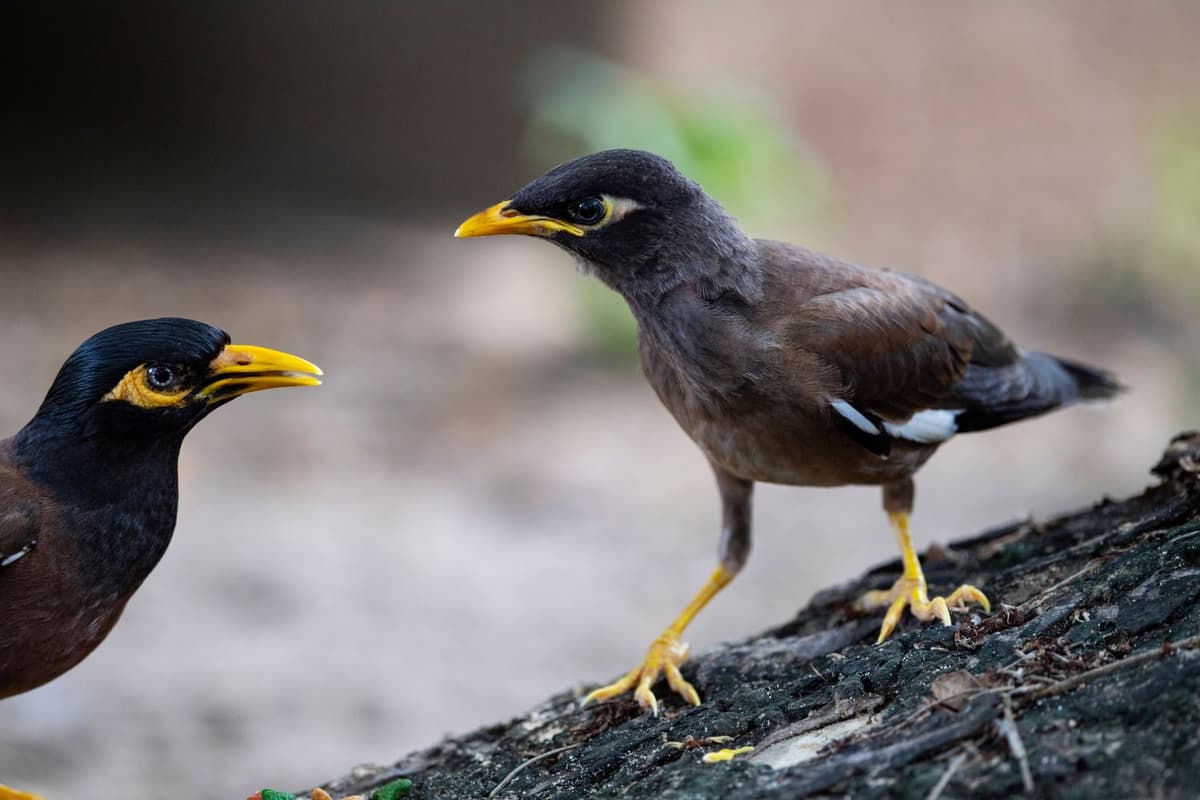
If you often clean your garden or move flower pots around the house, you have probably seen a sleek, shiny lizard quickly slip away under dry leaves. That is the skink, a small, gentle creature very common in our daily life.
Skinks belong to one of the largest lizard families on Earth, with over 1,500 species. Their scientific name is Scincidae. They live almost everywhere in the world, from thick rainforests and dry deserts to busy cities.
With their long, tube-shaped bodies and short legs, skinks sometimes look like snakes when they move. But they are true lizards. These quiet “garden helpers” hunt insects and pests all day, keeping nature in balance. They are completely harmless to people.
Let’s explore the interesting world of these simple and lively little animals!
| Common Name | Skink |
|---|
| Scientific Name | Family: Scincidae |
|---|
| Taxonomy |
Class: Reptilia
Order: Squamata
Family: Scincidae
|
| Size | 10–80 cm (varies by species) |
|---|
| Weight | 450g – 1.2 kg (varies by species) |
|---|
| Lifespan | 5–10 years in the wild; up to 30 years in ideal conditions |
|---|
| Habitat | Deserts, rainforests, mountains, forests, cities, tropical areas |
|---|
| Range | Worldwide (except Antarctica), most diverse in Australia and New Guinea |
|---|
| Diet | Carnivorous; insects, small vertebrates, fruit |
|---|
| Conservation Status | Most species: Least Concern; some species critically endangered |
|---|
Physical Appearance of Skink
Skinks are a type of lizard with a special look. Most skinks have a long, round body like a tube. Their body is thick and strong, with a short neck and a wide, triangle-shaped head.
Some skinks are small, only 10-20 cm long. Others are bigger, like the Solomon Islands skink, which can grow up to 70-80 cm and looks big and green with rough, bumpy scales.
They have short legs, much shorter than many other lizards. Some skinks have very small legs, and others have no legs at all. They move fast on the ground, a bit like snakes.
The tail of a skink is long and gets thin at the end. Many young skinks have a very bright blue tail. This color helps them escape danger because predators look at the tail first. The tail can break off if needed, and it grows back later.
Skinks have smooth, shiny scales that look glossy, like they are polished. The scales are hard and strong because they have tiny bones inside. This makes their skin tough and helps them slide through grass, sand, or leaves easily.
Many skinks are brown, black, or gray. Some have pretty stripes along their body, like yellow or white lines from head to tail. For example, the common five-lined skink has five light stripes on a dark body when young. Adults often become more plain brown or olive, but males can get orange on the head in spring.
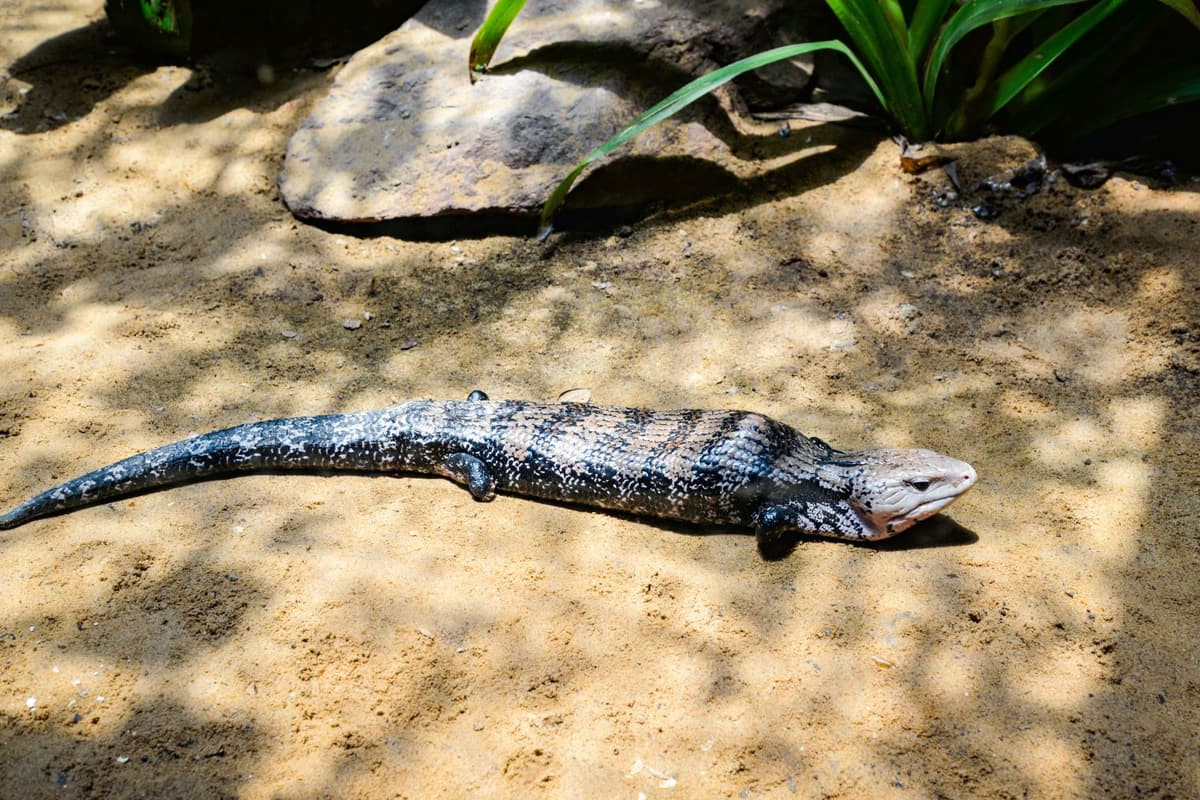
Blue-tongued skink with thick body and bright blue tongue.
Subspecies of Skinks
Skinks come in many types because they live in different places. The family has about 1,500 to 1,700 species. Scientists divide them into a few main groups.
- Acontiinae: These skinks have no legs at all. They look like snakes and live in southern Africa. They dig tunnels and move underground.
- Lygosominae: This is the biggest group. It has many species, mostly in Australia and New Guinea. They have short legs or normal legs.
- Scincinae: These live in Asia, Europe, Africa, and America. Some have normal legs, but many have very short legs or no legs.
Habitat and Distribution
Habitat of Skinks
Skinks live in almost every kind of place on Earth. They can be found in deserts, tropical rainforests, mountains, and even near the sea. One species lives very high up at 5,490 meters in the Himalayas. Most skinks like warm places with good humidity.
Global Distribution
Skinks live on every continent except Antarctica. They are everywhere, but some places have many more species. The biggest numbers and most different kinds are in Australia, New Guinea, Southeast Asia, Madagascar, and southern Africa. In Australia and nearby islands, skinks make up more than half of all lizards. They are less common in North America, South America, and Europe.
Vietnam Distribution of Skink
In Vietnam, skinks live from the far north to the far south. They are in mountains, forests, farms, and cities. Some common ones spread across the whole country. For example, the many-lined sun skink (Eutropis multifasciata) lives from northern mountains like Lai Chau to southern provinces like Ca Mau. The speckled forest skink (Eutropis macularia) is also found nationwide. In the north and central regions, you find species like Plestiodon elegans and Plestiodon quadrilineatus. In the south, species like Dasia olivacea and Lygosoma angeli live only there. Some special ones, like Sphenomorphus buonloicus, are found in the Central Highlands and nearby areas.
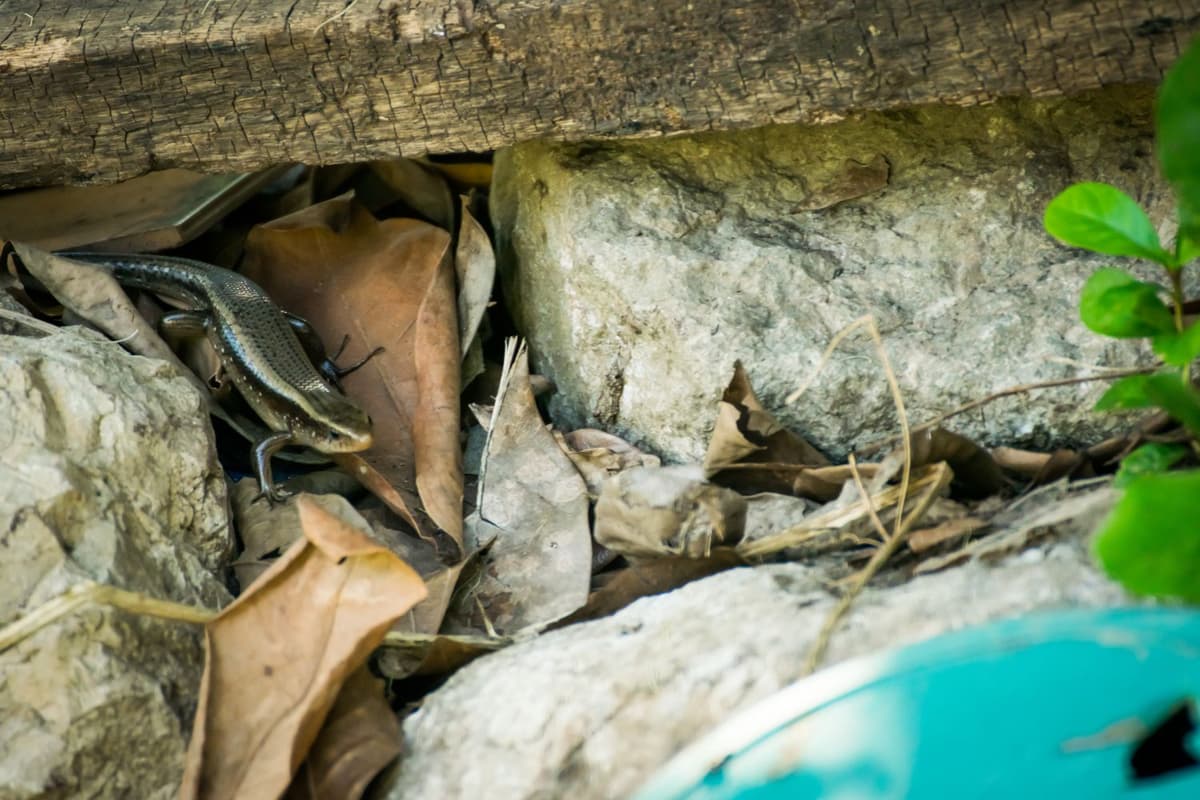
Skink in habitat, hiding among rocks and plants.
Skinks in Cat Tien National Park
Cat Tien National Park has many skinks because it has mixed forests, evergreen forests, and lowland tropical forests. They hunt on the ground and hide under fallen leaves or rotten logs. Other species include Lygosoma angeli, Lygosoma corpulentum (a fat skink), Sphenomorphus stellatus, Scincella rufocaudata (red-tailed ground skink), and even Sphenomorphus buonloicus in the southern part of the park.
Most skinks in Cat Tien are not in danger of extinction. But some are very special because they live only in Vietnam or in a small area. For example, Lygosoma corpulentum is endemic to Cat Tien. Sphenomorphus buonloicus is endemic to Vietnam and now found in Cat Tien too. Scincella rufocaudata lives only in Vietnam and Cambodia. These make Cat Tien important for protecting skinks.
Diet and Hunting Behavior of Skinks
Diet
Most skinks are meat-eaters, and they especially love insects. They eat many kinds of insects and other small creatures without bones, such as flies, crickets, grasshoppers, beetles, caterpillars, spiders, earthworms, centipedes, millipedes, snails, and slugs.
In Vietnam, common skinks like the many-lined sun skink often catch crickets, ants, cockroaches, worms, and even dead insects. Some bigger skinks also eat small vertebrates. They catch other small lizards (even geckos), frogs, toads, and baby mice. When they grow older, many skinks eat more plants. They like fruits and leaves, especially when insects are hard to find. Young skinks eat mostly insects because it helps them grow fast.
Hunting Behavior of Skinks
Skinks are very good hunters. Most of them search actively for food. They move around a lot to find prey instead of waiting in one spot. They use sharp eyes to spot movement and a strong sense of smell. They flick their forked tongue out to "taste" the air and follow chemical smells from prey. When they find food, they hide behind rocks or trees. Then they rush forward very fast and catch the prey by surprise. After catching it, they hold the prey tightly with their sharp teeth and swallow it whole. Skinks are smart and quick hunters. Their skills help them survive even with so many enemies!
Habit of Skink
Skinks have interesting daily habits that help them stay safe and healthy.
Most skinks can drop their tail when danger comes. This trick, called autotomy, lets them break off the tail on purpose. The tail wiggles and moves on the ground to distract birds, snakes, or other hunters. In some young skinks, the tail is bright blue to make it even more eye-catching. While the enemy focuses on the tail, the skink runs to hide. The tail grows back in a few weeks or months, but the new one is usually shorter and less colorful.
Skinks do not like to bite people. They are shy and always try to run away first. They only bite if you catch them tightly or scare them a lot. The bite is very weak, does not hurt much, and they have no poison at all. They are completely safe for humans and pets.
Skinks are active during the day. They wake up early in the morning to sunbathe and hunt insects. They move a lot to find food. When the sun gets too hot at midday, they hide in shade or under leaves to cool down. In the late afternoon, they come out again to eat before sleeping at night.
Because they are cold-blooded, sunbathing is very important. They lie on warm rocks, logs, or open ground to heat their body. This helps them digest food and move fast. After cold or rainy days, they rush to bask in the sun. They move between sunny and shady spots to keep their body temperature just right, around 30 to 32 degrees Celsius.
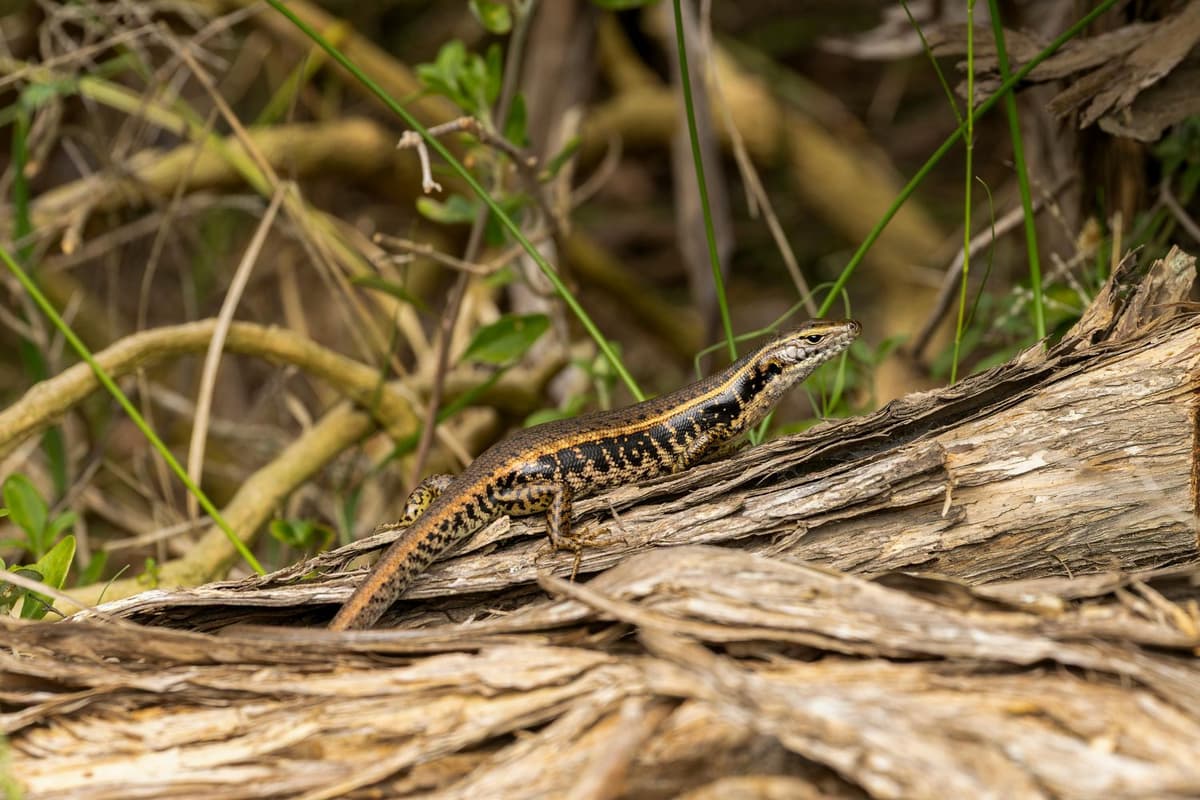
Brown skink on dry ground, blending well with natural colors.
Reproduction and Life Cycle of Skink
Skinks have very interesting ways of reproducing. They hold the record for switching from laying eggs to giving live birth more times than any other group of animals, at least 31 times.
About 65% of skinks lay eggs. The mother chooses a warm, moist spot under logs, roots, or rocks. Some lay just one egg, while others lay up to 15–18. Many mothers guard the eggs, curl around them to keep them warm, turn them, add moisture, and chase away small predators until they hatch.
About 34% give birth to live young. This is very common in cold or high mountain areas because babies stay warm inside the mother. Some skinks even develop a placenta like mammals to feed the babies directly. Famous examples are the big Solomon Islands skink, which cares for its young like a family, and blue-tongued skinks.
Breeding usually starts in spring. Males chase females, show bright colors, bob heads, and use smells to attract them. Mating happens with the male gently biting the female’s neck.
Eggs hatch in 30–60 days (sometimes longer). Babies are small, about 5–7.6 cm, and independent right away. Young skinks eat mostly insects to grow quickly. It takes skinks 1–3 years to become adults and start breeding. In the wild, they live 5–10 years on average, but some reach 15–30 years in good conditions.
Threats and Conversation
Conservation Status
Most skinks are listed as Least Concern by the IUCN because they adapt well, have many species, and live in wide areas. However, many with small or island ranges face serious risks. Newly described skinks often have very limited homes, so over 85% of threatened reptiles are judged by small range size.
Some are Critically Endangered, like Oligosoma otagense in New Zealand, with populations dropping 20–40%. Island species like Emoia atrocostata in the Pacific have lost 30% of their numbers and now have fewer than 5,000 left.
In Vietnam, the recently found Scincella ouboteri has a tiny range under 2,000 km² and is suggested as Data Deficient for further checks. Conservation helps: laws protect habitats (reducing declines by 15% in Australia), controlling invasive predators (increasing populations by 25% on New Zealand islands), and captive breeding programs (boosting some species by 20%).
Threats
Skinks face big pressures from humans and nature. Habitat loss from deforestation, farming, and cities fragments their homes, cutting food and shelter, reducing ranges by 25% in Australia and New Zealand, and densities by 20% in developed areas.
Invasive animals like rats, feral cats, dogs, and mongooses are very dangerous, lowering baby survival by 30% on Pacific islands and pushing some tropical species near extinction. Climate change raises temperatures and cuts litter sizes by 15–20%. Pesticides kill many insects, hurting 40% of wild populations.
Natural predators like hawks, owls, crows, snakes, and small mammals hunt them, especially when they search for food. In some places, like parts of Papua New Guinea, local people catch skinks for food.
Observing Skinks in Cat Tien National Park
Skinks are common in Cat Tien and easy to spot if you know where to look. They like sunny forest edges, mixed deciduous forests, fallen logs, thick leaf litter, and areas near streams. The best spots include trails along forest borders, around big trees like the Tung Tree with its huge roots, or rotten wood piles for short-legged species. Semi-aquatic ones appear near streams or rocky ghềnh.
Tips for watching them:
- Go early morning or late afternoon when they bask on rocks, logs, or open ground to warm up.
- Listen for rustling leaves as they actively hunt insects on the ground.
- Look up at tree trunks or branches for tree-climbing kinds.
- Walk slowly and quietly to avoid scaring them, they have sharp senses and can drop their tail if startled.
- Keep a safe distance, use binoculars or a zoom camera, and never try to catch them.
- Midday heat makes them hide, so morning and late afternoon are best.
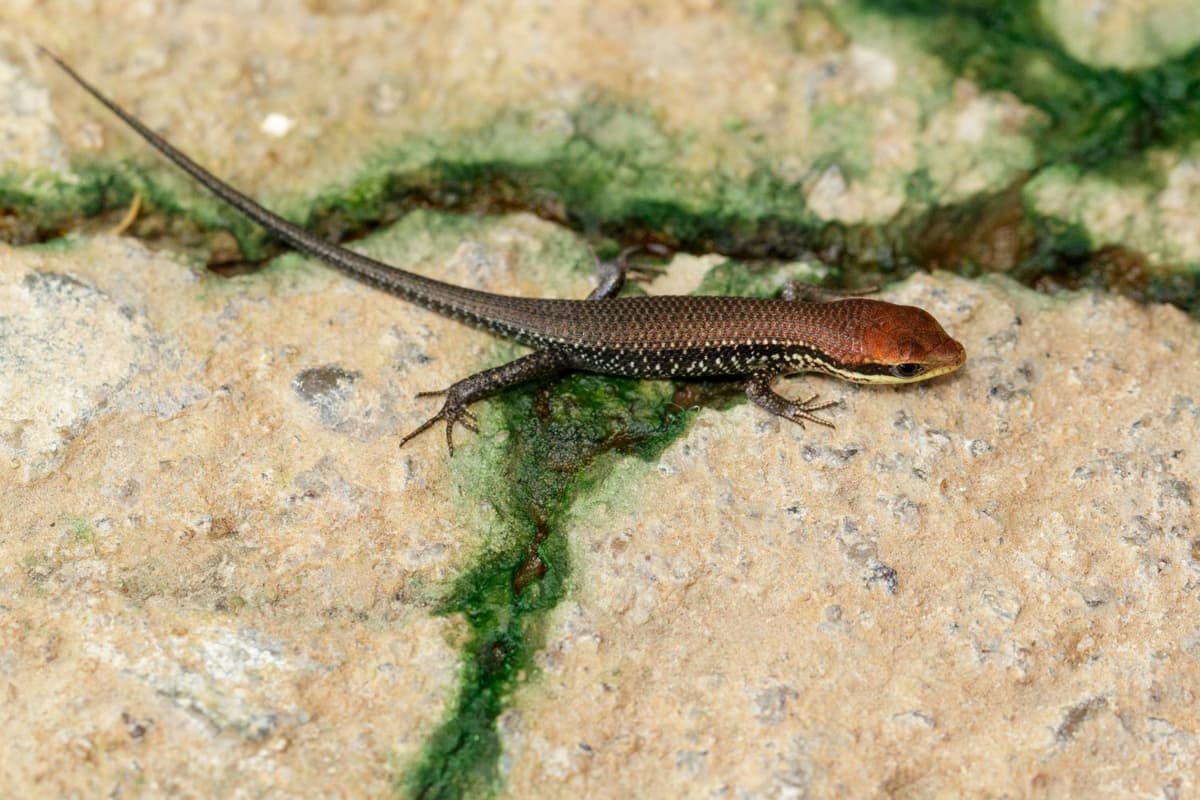
Skink (Scincidae) showing smooth scales and slender body.
Soon, Katien Ranger Patrol will offer small-group safari tours into the national park. These guided tours let visitors see wildlife up close in a safe and comfortable way. They focus on spotting animals like deer, monkeys, birds, and reptiles, including skinks in their natural habitat. Small groups mean less noise and better chances to observe shy creatures. These tours help visitors enjoy and learn about Cat Tien’s rich biodiversity.
5 Interesting Facts of Skink
1. Skinks of the Prasinohaema genus have green blood due to biliverdin buildup.
2. Trachylepis ivensi has a placenta similar to mammals, nurturing its young in the womb.
3. Some skinks have transparent lower eyelids, acting like natural goggles for protection.
4. Some skinks have evolved to lose or reduce their legs, like the Lygosoma quadrupes.
5. Desert-dwelling skinks can "swim" through sand like fish through water, moving smoothly.
Reference
- Chapple, D. G., Slavenko, A., Tingley, R., Farquhar, J. E., Camaiti, M., Roll, U., & Meiri, S. (2023). Built for success: Distribution, morphology, ecology and life history of the world's skinks. Ecology and Evolution, 13(12), e10791.
- Galoyan, E., & Geissler, P. (2013). Autecology and mating behaviour of the spotted forest skink, Sphenomorphus maculatus (Blyth, 1853) in the monsoon forest of Cat Tien National Park, southern Vietnam. The Herpetological Journal, 23(3), 139–144.
- Jordi, R. (2017, July 31). The difference between a skink and a lizard. UF/IFAS Extension Nassau County.
- List of reptiles and amphibians at Cat Tien National Park. (n.d.). Manimalworld.
- Magnuson, M. (n.d.). Skink care sheet. Canobie Lake Veterinary Hospital.
- Neang, T., & Poyarkov, N. A. (2016). First record of the Buonluoi forest skink Sphenomorphus buenloicus Darevsky & Nguyen, 1983 (Squamata: Scincidae) from Cambodia. Cambodian Journal of Natural History, 2016(2), 114–118.
- New lizard species discovered in Hoa Binh Province, northern Vietnam. (2024, December 26). Vietnam Academy of Science and Technology.
- Phạm, J. (2025, October 21). Skinks: Complete guide to smooth scales, habitat & facts. Animal Pedia.

__639095903068132140.jpg)